Baseball stadiums come alive with energy beyond the crack of the bat.
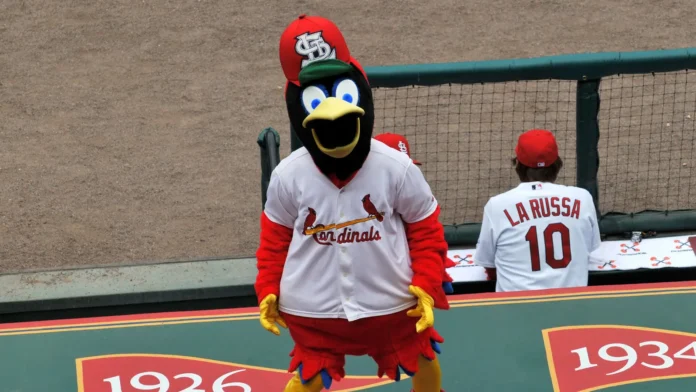
Mascots have evolved from simple entertainers into essential stadium characters. They create moments fans remember long after scores fade. These furry performers build bridges between teams and communities through pure enthusiasm and dedication.
Their impact reaches far beyond game days. From hospital visits to charity events, mascots represent something bigger than baseball. They embody team spirit in ways players rotating through rosters never could.
Let’s take a closer look.
The Pioneer Who Started It All
Mr. Met broke ground as baseball’s first modern costumed character.
Mr. Met debuted when Shea Stadium opened in 1964. He appeared in programs a year earlier but came to life as a performer in person. His baseball head and friendly wave created a blueprint others would follow for decades.
The Mets introduced Mrs. Met in 1975 to expand their mascot family. Together, they created traditions that defined family-friendly baseball entertainment. Their staying power proves that mascots offer consistency that players cannot match through trades and retirements.

Physical Demands Nobody Sees
Performers endure extreme conditions most fans never imagine.
Mascots need to be physically fit, dealing with extraordinarily hot and sweaty conditions in heavy costumes. They perform acrobatic stunts while constantly moving between innings. Their athleticism rivals players on the field despite working in bulky suits weighing up to 50 pounds.
They hustle to reach fans in the upper decks during brief intermissions. Limited visibility and extreme temperatures test their endurance every performance. Most performers lose significant water weight during single games through pure physical exertion and dedication.
Beyond the Stadium Gates
Community presence defines modern mascot responsibilities.
Mascots make around 500 appearances a year at hospitals, schools, and charity functions. Their schedules extend far beyond 81 home games. These visits build emotional connections that transform casual fans into lifelong supporters of teams.
Children battling illness receive comfort from furry visitors bringing smiles to difficult days. Schools welcome mascots who make reading programs exciting and memorable. Every appearance strengthens bonds between franchises and their communities through genuine human connection.
Building Brand Identity Through Character
Teams without mascots stand as rare exceptions in modern baseball.
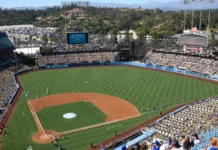
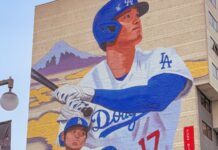
Only the Yankees, Dodgers, and Angels reject mascots among all 30 MLB teams. Everyone else recognizes that these characters drive merchandise sales and youth engagement. Mascots create family-friendly atmospheres that make baseball accessible to new generations discovering America’s pastime.
Nine team mascots have earned Mascot Hall of Fame induction since 2005. This recognition validates their importance to baseball culture and entertainment value. Teams invest heavily, knowing mascots provide marketing returns impossible to measure through traditional metrics alone.
Social Media Amplifies Their Reach
Digital platforms transformed local favorites into national personalities.
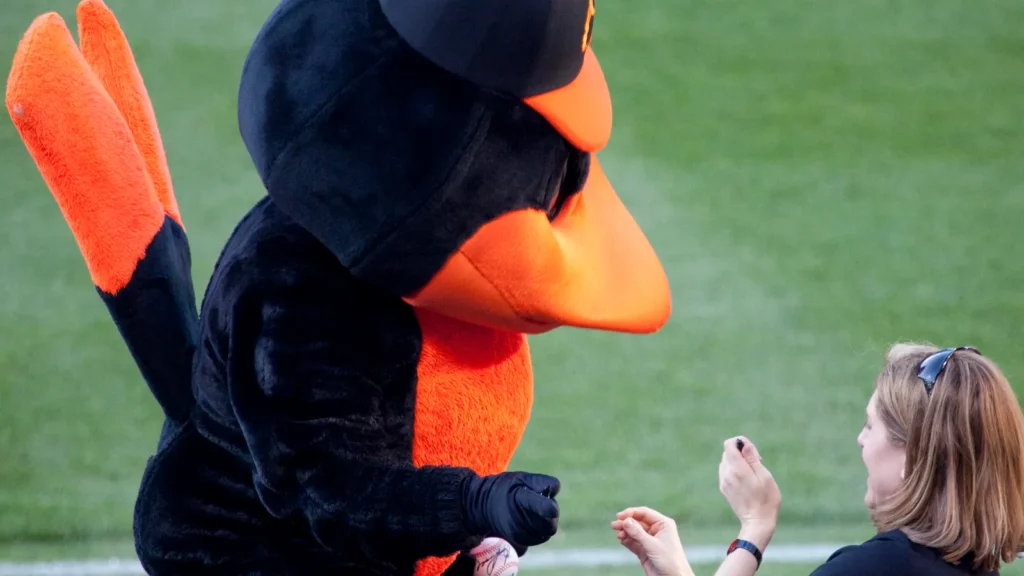
Mascots generate engagement rates far exceeding typical brand content on Instagram and Twitter. Their antics go viral, connecting with audiences who never attend games. This expanded reach brings new fans into baseball through humor and relatability.
Phillie Phanatic and Blooper lead follower counts among MLB mascots online. Their posts featuring celebrities and other mascots drive massive engagement. Teams recognize digital presence as crucial for reaching younger demographics who consume sports differently than previous generations.
Year-Round Brand Ambassadors
Consistency matters when rosters change through trades and free agency.
Players come and go, but mascots remain constant symbols of franchise identity. They represent teams during offseason community events and promotional appearances. This continuity builds positive brand identification within communities over many years.
Mascots promote ticket sales and sponsor activations without demanding player salaries. Their versatility makes them valuable marketing assets across multiple platforms. Teams leverage mascot popularity for revenue streams extending far beyond traditional baseball operations and merchandise.
Creating Traditions Fans Anticipate
Signature moments become as important as seventh-inning stretches.
Bernie Brewer’s iconic slide after Milwaukee home runs started in the 1970s. The Phillie Phanatic’s hot dog cannon became legendary entertainment during Philadelphia games. These rituals create anticipation that brings fans back regardless of team performance.
Mascot races between innings evolved into stadium staples across multiple ballparks. Popular mascot races at many ballparks like the sausage race at Milwaukee Brewers games and the Great Pierogi Race at Pittsburgh Pirates games, take place with participants tripping each other running in the wrong directions. Fans bet on outcomes and create memories lasting longer than individual seasons.

The Emotional Connection Factor
Mascots create bonds transcending wins and losses.
Families return season after season, partly for memories made with mascot interactions. Children remember high fives and hugs more vividly than specific game outcomes. These emotional touchpoints transform casual attendance into generational loyalty passed down through families.
Losing streaks test fan patience, but mascots keep crowds engaged and entertained. Their energy reminds everyone that baseball should be fun regardless of standings. This psychological impact on stadium atmosphere helps teams maintain attendance during rebuilding years.
TL;DR
- Mr. Met pioneered modern mascot entertainment when Shea Stadium opened in 1964.
- Mascots endure extreme physical demands performing over 300 annual appearances.
- Community outreach at hospitals and schools builds emotional connections beyond games.
- Signature traditions like Bernie Brewer’s slide create anticipation that fans expect every game.
- Only the Yankees, Dodgers, and Angels reject mascots among the 30 MLB teams.
- Social media transformed local mascots into national personalities with viral reach.
- Mascots provide roster consistency when players change through trades and free agency.
- Emotional connections with families create generational loyalty transcending team performance.
Read More:
- How Minor League Life Shapes MLB Stars
- The Importance of Clubhouse Leaders in MLB Success
- The Greatest MLB World Series Moments Ever
This article was made with AI assistance and human editing.