The landscape of Major League Baseball is constantly evolving with high-tech stadiums, yet the soul of the sport remains anchored in the historic ballparks that have survived for generations.
These iconic venues offer more than just a place to watch a game; they serve as living museums where every brick, seat, and scoreboard tells a story of the legends who played there. From the towering Green Monster in Boston to the ivy-covered walls of Chicago, these stadiums connect modern fans to the early 20th-century roots of the American pastime.
While new facilities offer climate control and gourmet dining, they cannot replicate the authentic atmosphere and quirks found in the league’s oldest cathedrals. Understanding the significance of these grounds is essential for any fan looking to appreciate the full scope of baseball history.
Let’s take a closer look.
Kauffman Stadium
Kauffman Stadium, home of the Kansas City Royals, is a masterpiece of stadium design that has remained relevant since its opening in 1973. Often called “The K,” it is famous for its “Water Spectacular,” a massive 322-foot-wide fountain and waterfall display in the outfield. It remains one of the few ballparks built during the “cookie-cutter” era of the 1970s that was designed specifically for baseball rather than multi-purpose use.
The Royals recently announced updates to the stadium’s dimensions for the 2026 season, bringing the outfield walls closer to the plate to increase offensive action. These changes reflect the team’s commitment to keeping the fan experience exciting while maintaining the stadium’s classic beauty. The park’s open-outfield design provides a sense of space and light that few other venues can match.
Fenway Park
Fenway Park stands as the oldest active stadium in Major League Baseball, serving as the beloved home of the Boston Red Sox since it opened its doors in 1912. This ballpark is famous for its asymmetrical dimensions and unique features that challenge even the best athletes in the world. The most recognizable element is the Green Monster, a 37-foot-high left-field wall that has frustrated right-handed power hitters for over a century.
Despite its age, Fenway has undergone numerous renovations to ensure it meets the needs of modern spectators while preserving its classic feel. The addition of seats atop the Green Monster in 2003 provided one of the most coveted views in all of professional sports. Fans still flock to see the lone red seat in the right-field bleachers, which marks the longest home run ever hit at Fenway by Ted Williams.
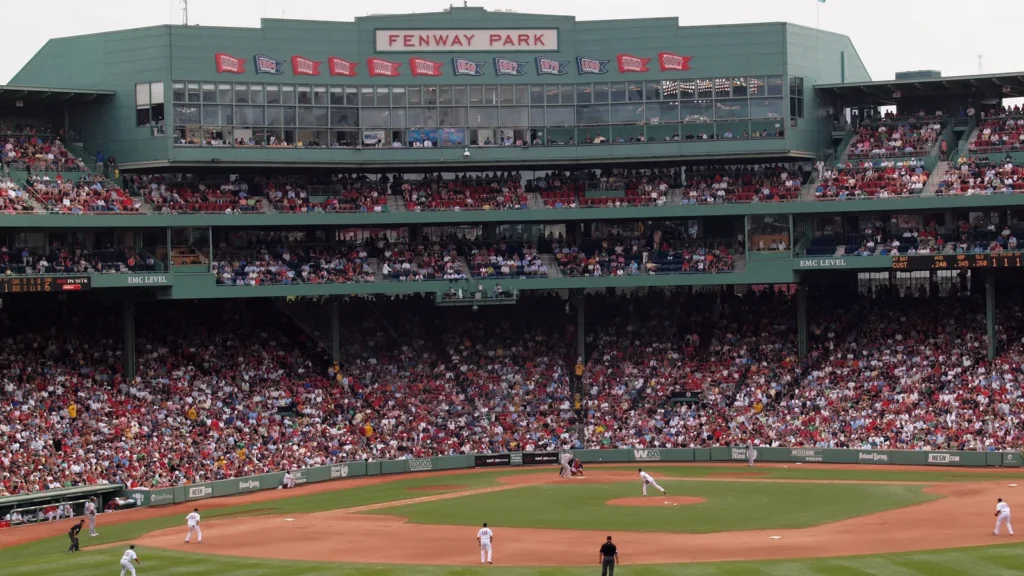
Little-known fact: Fenway Park opened on April 20, 1912, the same week the Titanic sank, which kept the stadium’s debut off the front pages of many newspapers.
Wrigley Field
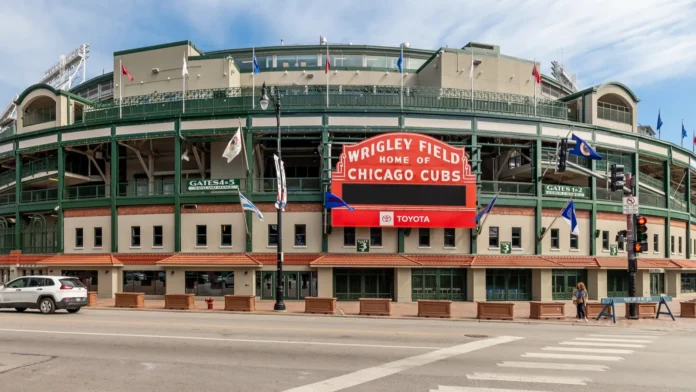
Wrigley Field is the second-oldest ballpark in the majors and has been the home of the Chicago Cubs since 1916, though it originally opened for the Federal League. Known for its legendary ivy-covered outfield walls, the park offers an atmosphere that feels like a step back in time. The ivy, planted in 1937, remains one of the most beautiful and treacherous features in baseball, as live balls occasionally disappear into the thick vines.
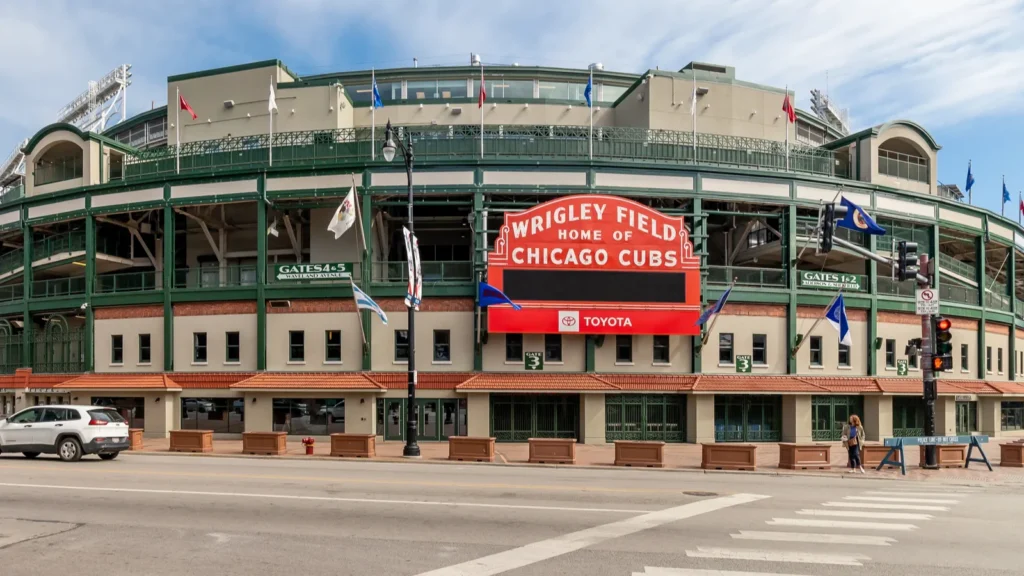
The stadium is also famous for its hand-turned scoreboard, which is still operated by workers who update the scores of games across the league manually. While the Cubs finally added stadium lights in 1988, they still play many of their games in the afternoon to honor the tradition of day baseball. The surrounding neighborhood, known as Wrigleyville, features rooftop bleachers that offer a unique perspective of the action from outside the park.
Little-known fact: No player has ever hit the center-field scoreboard at Wrigley Field with a home run ball during a regular-season game, though several have come close.
Dodger Stadium
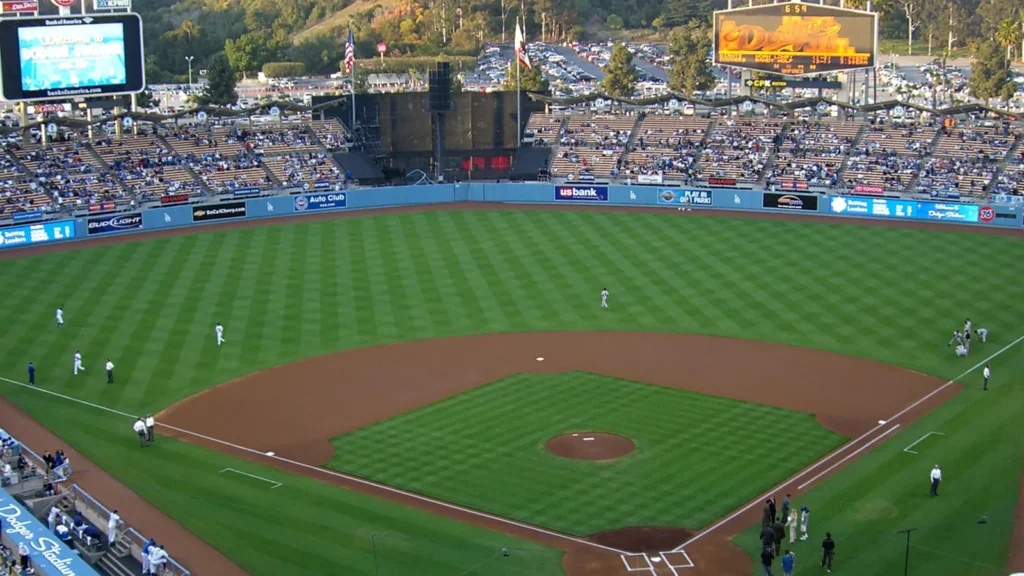
Dodger Stadium is the third-oldest ballpark in MLB and is widely considered one of the most picturesque settings in the sport. Opened in 1962, it was carved into the hillside of Chavez Ravine and offers stunning views of downtown Los Angeles and the San Gabriel Mountains. Unlike the older East Coast parks, Dodger Stadium was designed with a “mid-century modern” aesthetic that still feels fresh today.
The venue is celebrated for its cleanliness, palm trees, and the iconic wavy roof silhouettes over the outfield pavilions. It remains the largest stadium in MLB by seating capacity, often hosting more than 50,000 fans who create an electric environment for the Dodgers. Dodger Stadium has hosted World Series games across 12 different World Series years, and the Dodgers’ official history says the Kirk Gibson homer was one of 20 World Series games played there.
Little-known fact: Dodger Stadium was the first Major League Baseball stadium since the original Yankee Stadium to be built using 100 percent private financing.
Angel Stadium
Angel Stadium of Anaheim opened in 1966 and is currently the fourth-oldest ballpark in the league, though its future is often a topic of local debate. Originally built as a baseball-only facility, it was enclosed in the late 1970s to accommodate the NFL’s Los Angeles Rams before being renovated back to its current form. The most striking feature is the “California Spectacular” in left-center field, which includes artificial rocks, geysers, and a cascading waterfall.
The stadium has a distinct family-friendly vibe and is known for the “Big A” sign that stands in the parking lot, lighting up whenever the Angels secure a victory. While there has been talk of new stadium projects, the current venue remains a staple of the Orange County sports scene. Its wide concourses and proximity to Disneyland make it a popular destination for traveling fans.
TL;DR
- Fenway Park (1912): The oldest MLB park, famous for the Green Monster and its deep connection to Red Sox history.
- Wrigley Field (1914): Known for its ivy-covered walls, hand-turned scoreboard, and day-game traditions in Chicago.
- Dodger Stadium (1962): A mid-century modern masterpiece in Los Angeles that offers the highest seating capacity in the league.
- Kauffman Stadium (1973): A renowned stadium for its iconic fountains and baseball-specific design in Kansas City.
- Angel Stadium (1966): Features the “California Spectacular” waterfall and serves as a long-standing landmark in Anaheim.
If you liked this story, don’t forget to follow us for more exclusive content.
This article was made with AI assistance and human editing.
If you liked this, you might also like: