
The FIFA World Cup 2026 final four is set
The FIFA World Cup 2026 semifinals feature France against Spain and England against Argentina. All four teams have previously won the men’s tournament, creating the first all-champion final four since 1990.
Argentina, Spain, France, and England entered the tournament as FIFA’s top four-ranked teams. Their advancement marks the first time in history that all four leading sides have reached the semifinals together.
FIFA World Cup schedule reaches semifinals
France meets Spain on July 14 at Dallas Stadium in Arlington, Texas, with kickoff scheduled for 3 PM ET. England faces Argentina on July 15 at Atlanta Stadium at the same time.
The losing semifinalists play July 18 in Miami, while the winners advance to the July 19 final in East Rutherford, New Jersey. FOX carries both semifinals, with FOX One providing streaming coverage.
England card rate draws fan questions
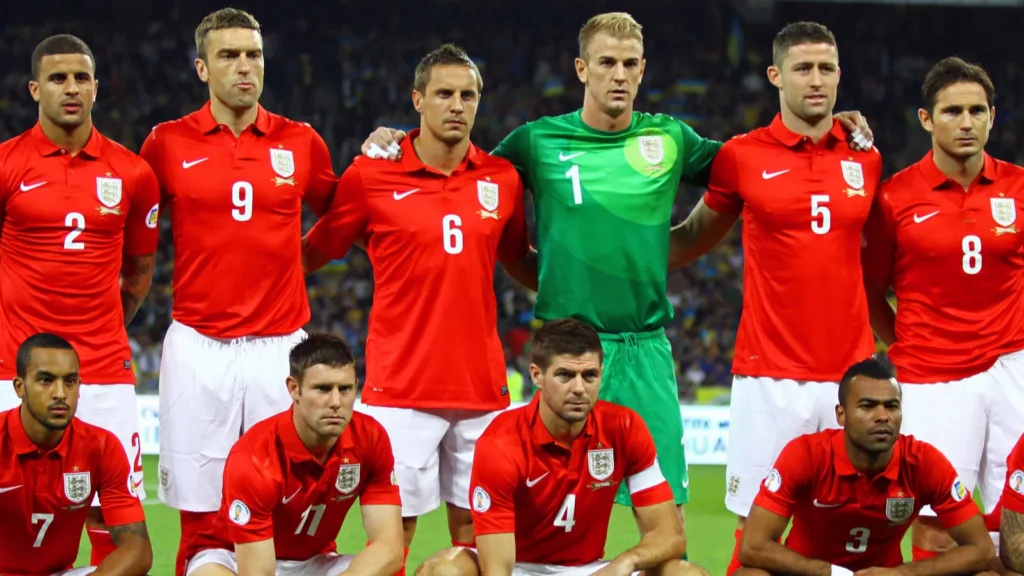
England entered the quarterfinals with 7 yellow cards from 54 fouls, averaging 1 caution for every 7.7 fouls. Among the 8 remaining teams, England had the harshest yellow-card-per-foul rate.
That ratio fueled online debate about whether England was being officiated more strictly during its 2-1 extra-time victory over Norway. The figure describes disciplinary frequency, but it does not prove that officials applied different standards.
Argentina faces scrutiny over card rate
Argentina reached the quarterfinals with three yellow cards from 59 fouls, averaging one caution for every 19.7 fouls. That rate was more than twice England’s 7.7 fouls for each booking.
The difference prompted criticism from supporters who viewed Argentina’s treatment as unusually favorable. Formal complaints about matches against Algeria and Egypt, followed by Switzerland’s objection, added to the scrutiny before the semifinal.
FIFA card ratios need match context
Card totals alone cannot show each foul’s location, force, timing, or tactical purpose. Football laws require referees to judge individual actions rather than apply one fixed booking rate across every match.
Disciplinary analysis becomes stronger when it includes field position, match state, player behavior, and challenge type. England’s and Argentina’s ratios support the comparison, but those figures alone cannot establish favoritism.
Argentina ruling tests new VAR powers
Argentina’s quarterfinal against Switzerland produced a disputed video review. Breel Embolo received a second yellow card for simulation after review, leaving Switzerland with 10 players before a 3-1 extra-time loss.
The 2026 rule changes permit reviews of clearly incorrect second yellow cards and mistaken identity. Switzerland coach Murat Yakin called the ruling unacceptable, while former FIFA referee Christina Unkel questioned the expanded process.
Algeria’s complaint followed the Messi incident
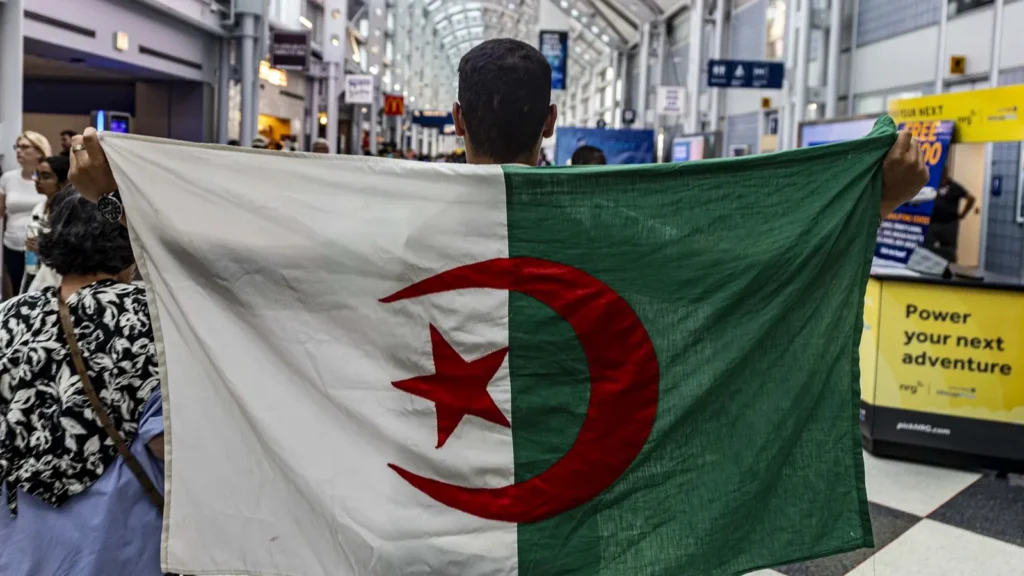
Algeria lodged a formal complaint with FIFA’s refereeing commission after its 3-0 group-stage loss to Argentina. The filing cited Lionel Messi’s contact with captain Aissa Mandi’s calf during the first half.
Messi remained in the match and scored all three goals. Algeria also questioned a separate second-half incident involving Alexis Mac Allister and Ibrahim Maza, asking FIFA to review the officiating.
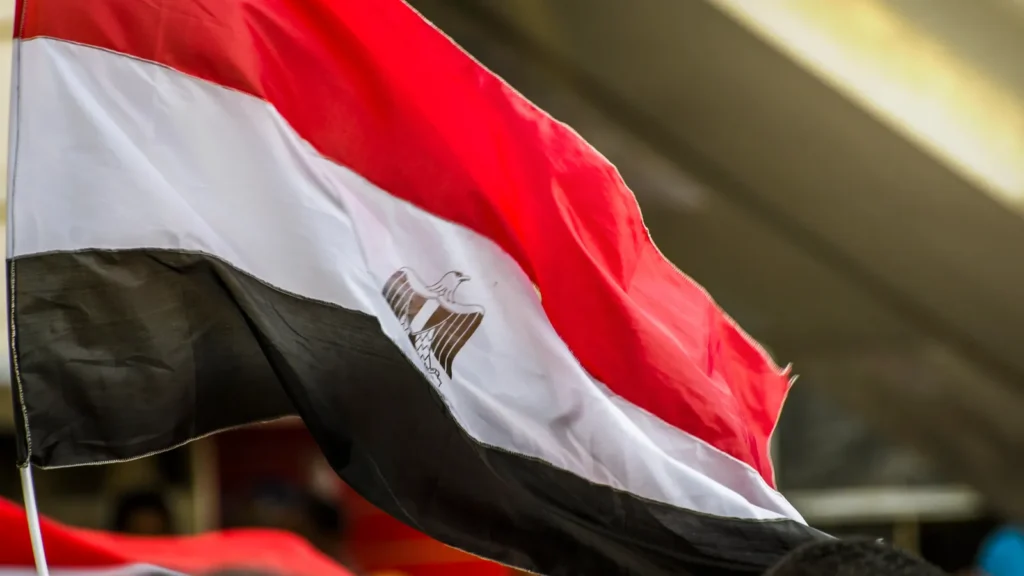
Egypt challenged the knockout decisions
Egypt’s football association challenged several decisions after Argentina’s 3-2 round-of-16 comeback. Mostafa Zico’s 62nd-minute goal was disallowed after video review, and a later penalty request did not change the ruling.
Enzo Fernández scored Argentina’s winner during the second-half added time after Egypt had led 2-0. The Egyptian association filed a formal complaint, while FIFA’s refereeing chief later rejected claims of bias.
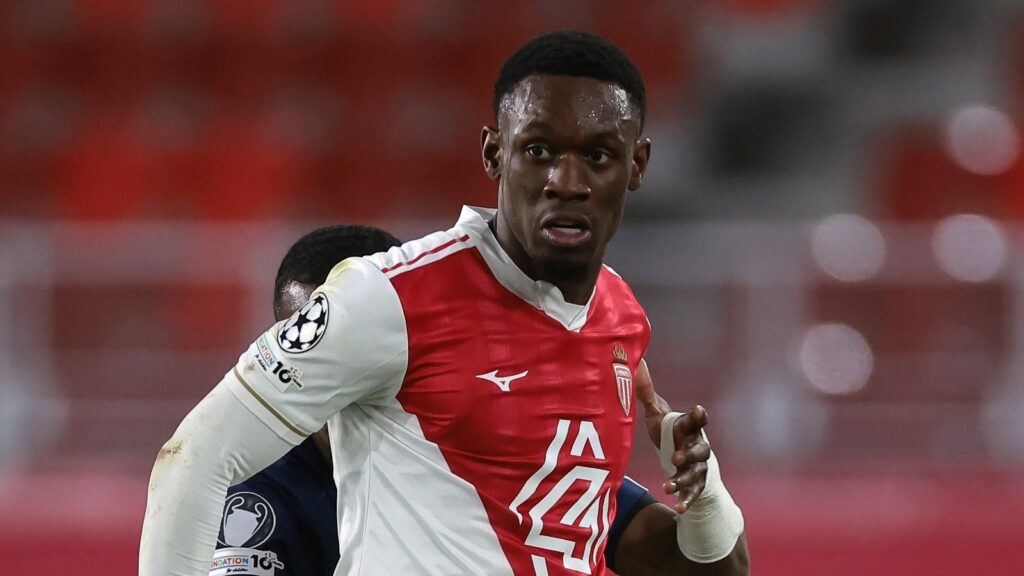
FIFA suspensions raised consistency questions
FIFA placed Folarin Balogun’s automatic one-match suspension on hold after his dismissal for the United States. England defender Jarell Quansah received a two-match suspension following a separate incident against Mexico.
Former international referees questioned why the two cases produced different outcomes. The contrasting rulings involved separate teams and circumstances, yet public comments focused on whether tournament discipline followed a consistent process.
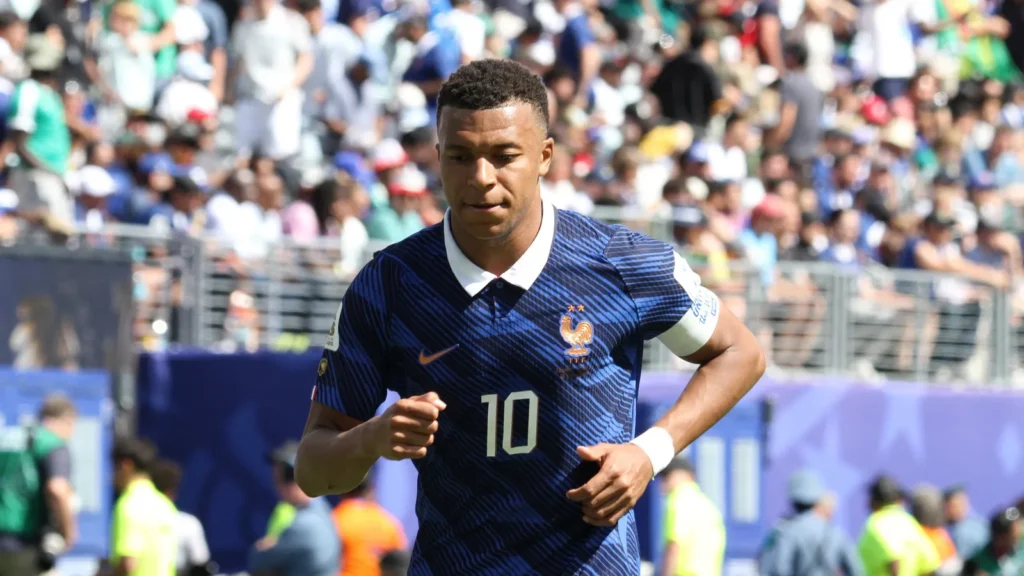
France relies on Mbappé and Dembélé
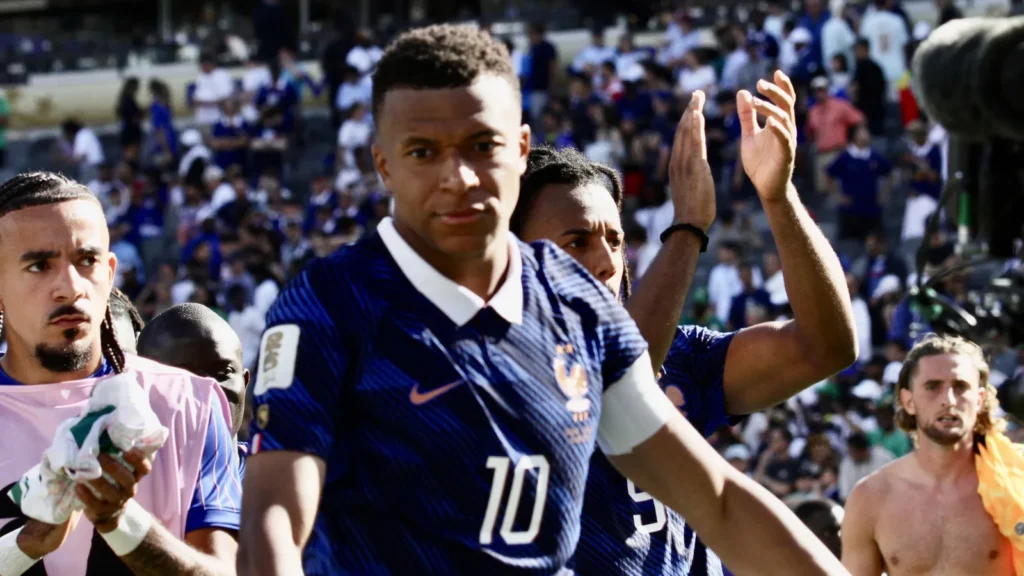
France enters the Spain semifinal with Kylian Mbappé on eight goals and Ousmane Dembélé on five. Their combined 13 goals account for nearly all of France’s 14 goals through the quarterfinals.
Spain conceded only one goal before the semifinal, while neither side had trailed during the tournament. France beat Morocco 2-0 in Foxborough, and Spain edged Belgium 2-1 in Los Angeles.
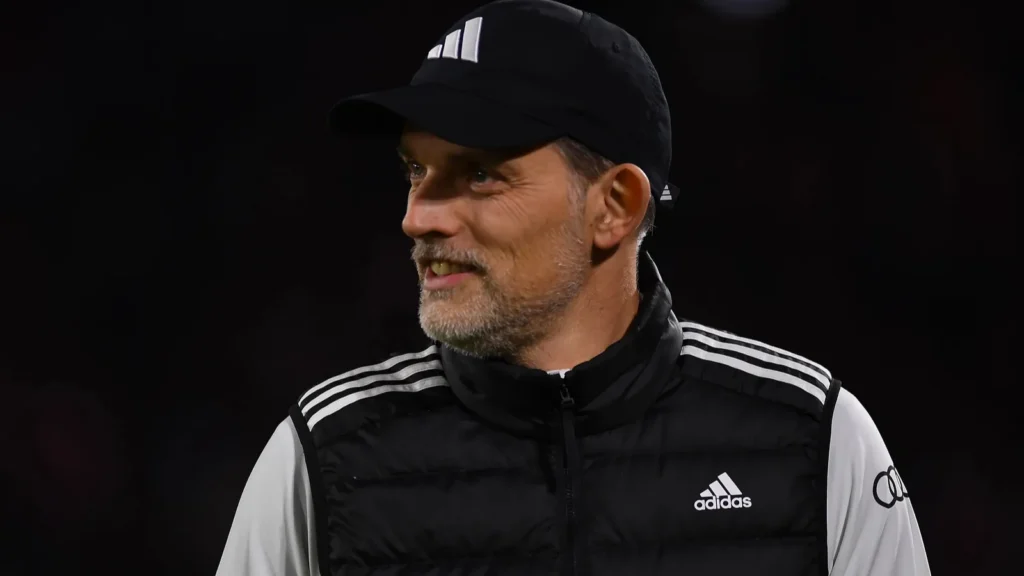
England and Argentina renew rivalry
England and Argentina meet at a World Cup for the first time since 2002. Their tournament history includes England’s 1966 victory, Argentina’s 1986 win, and the 1998 penalty shootout.
England gained another success in Japan in 2002. Lionel Scaloni and Thomas Tuchel framed the latest meeting in Atlanta as a football contest, despite the rivalry’s long sporting and political history.
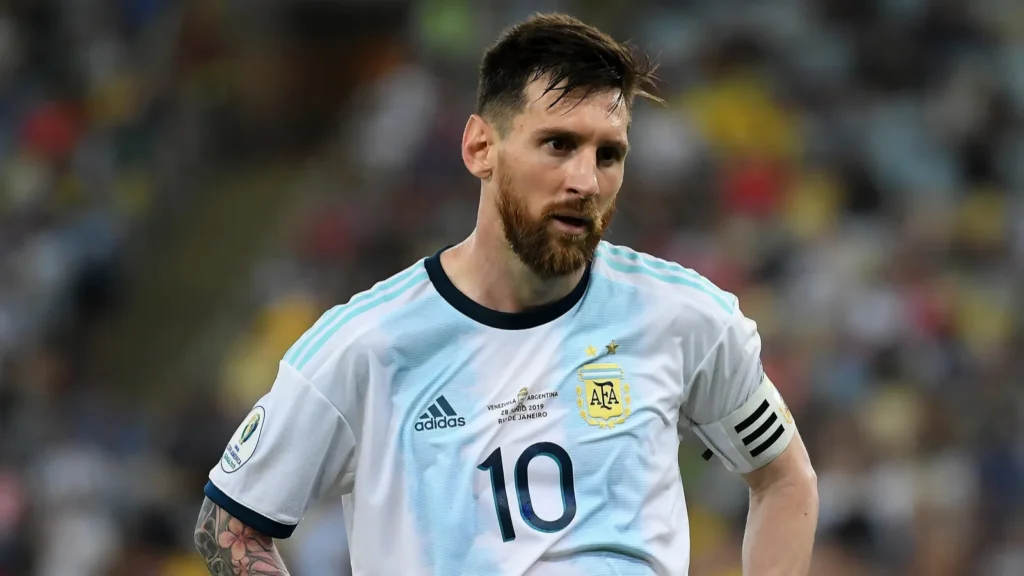
Messi and Bellingham lead the attacks
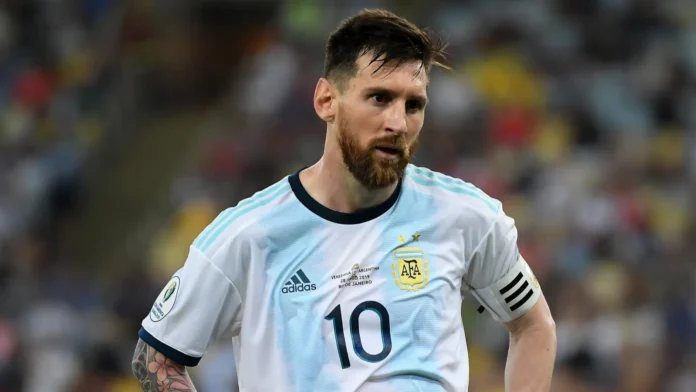
Lionel Messi enters the semifinal with 8 tournament goals, level with Kylian Mbappé. The 39-year-old Argentina captain has added another major scoring run to his World Cup career before facing England in Atlanta.
Jude Bellingham scored twice against Mexico, then repeated that performance against Norway. He became the first player since Diego Maradona in 1986 to record consecutive multigoal knockout matches at 1 World Cup.
FIFA’s investigation into alleged racist abuse directed at streamer IShowSpeed has raised wider questions about fan conduct. Dive into what prompted the inquiry and what could happen next.
FIFA resets cards before the final
FIFA cleared single yellow cards after the quarterfinals, giving semifinal players a clean accumulation record. The reset prevents 1 earlier caution from combining with another in the semifinal and causing a final suspension.
The reset does not erase suspensions already triggered before the semifinals. A dismissal during either remaining match can still result in a player being removed from the next fixture, with longer sanctions possible after review.
U.S. Senator Mark Kelly’s Mexico jersey choice sparked backlash at a World Cup watch party. Dive into why the gesture divided fans and what his response revealed.
Do the card statistics suggest uneven refereeing, or do individual match situations explain the difference? Share your thoughts in the comments below!
This slideshow was made with AI assistance and human editing.
Read More From This Brand: