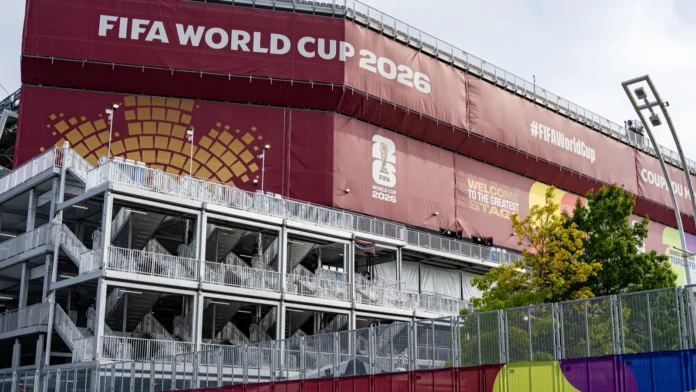
European football remains locked in a standoff with FIFA. UEFA stated on August 6 that it will keep its threat to boycott FIFA competitions because the return conditions remain unmet. All 55 UEFA member associations voted 55-0 on July 30 to reject FIFA’s plan to sell ownership interests in its major competitions to private investors.
They said European national teams would not participate in FIFA events unless FIFA abandoned the proposal and provided binding assurances against similar moves in the future. FIFA scrapped the proposal on July 31, but UEFA says FIFA has not yet provided the required assurances. The first major test could come when the FIFA U-20 Women’s World Cup begins in Poland on September 5.
Why Europe’s boycott threat still stands
UEFA represents 55 national football associations. The associations voted unanimously to reject FIFA’s private-investment proposal. They pledged their teams would skip FIFA competitions while the proposal remained alive unless it was abandoned and guarantees were provided.
The stance covers FIFA competitions beyond the men’s World Cup, and youth tournaments could suffer if the standoff continues. The scale of the boycott caught many longtime football observers off guard.
UEFA presented its opposition as a matter of football governance, saying the World Cup cannot be treated as an investment product and arguing that ownership interests in FIFA competitions should not be transferred to private investors. UEFA insists that no single leader should sell off any of its assets.
The investment plan that started this fight
FIFA proposed creating a $20 billion subsidiary, FIFA Forward Enterprises, to manage the World Cup and other FIFA events. The plan involved selling roughly a 20% minority stake to outside investors, potentially raising up to $4.2 billion.
FIFA argued that the investment could generate substantial new funding for football development. Infantino also offered FIFA’s 211 member associations $40 million each if they supported the proposal by September 19 as part of a broader funding package.
UEFA and other critics argued that private ownership would permanently change the incentives surrounding FIFA competitions and introduce investor pressure into the governance of major tournaments. The proposal quickly drew opposition from UEFA, Concacaf, and the Asian Football Confederation.
Infantino dropped the deal, but tensions remain
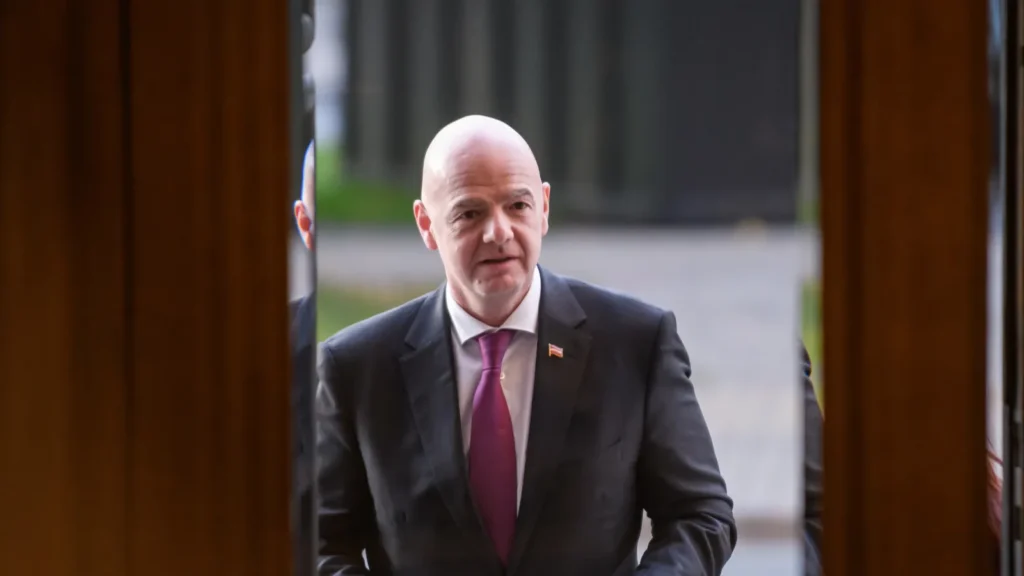
Infantino abandoned the FIFA Forward Enterprise proposal on July 31 after intense opposition from UEFA and other football bodies. FIFA’s leadership later presented a united front after crisis talks in Rabat, Morocco, and the organization apologized to its members for mistakes in the process surrounding the proposal.
UEFA said withdrawing the plan satisfied only part of its demands. It continues to seek assurances that FIFA will not pursue a similar attempt to bring private ownership into its governance or major competitions and has separately declared that it has lost confidence in Infantino’s presidency.
The controversy also exposed significant internal dissent at FIFA. Cordeiro resigned with immediate effect, calling the proposal a bad deal for football; Lamour said someone had deceived FIFA staff and described it as a one-person project.
What UEFA wants before it returns
UEFA has identified 2 conditions attached to European participation in FIFA competitions. UEFA had to withdraw proposals to sell ownership interests in major FIFA competitions. FIFA must ensure that it does not again attempt to introduce private ownership into its governance or competitions.
FIFA has withdrawn the original proposal, satisfying the first part of UEFA’s demand. UEFA said on August 6, however, that the necessary assurances on future proposals have not been provided and that its conditions therefore remain unmet.
UEFA has also separately said that it has lost confidence in Infantino’s presidency. That position goes beyond the 2 formal conditions attached to its boycott threat and remains part of the wider governance dispute. Neither side has shown any real sign that it plans to back down soon.
The U-20 Women’s World Cup faces its first test
The first major test of UEFA’s position could arrive when the FIFA U-20 Women’s World Cup begins in Poland on September 5. The tournament runs through September 27 and includes 6 UEFA teams: hosts Poland, England, France, Italy, Portugal, and Spain.
The Polish Football Association said on July 31 that preparations were proceeding according to schedule and that it had received no information about any team withdrawing. UEFA had not yet confirmed, as of August 6, whether European teams would boycott the event.
There is also a fresh complication. On August 7, the French Football Federation said that, for now, France still plans to participate. The September tournament, therefore, remains a potential first test of UEFA’s boycott threat rather than a confirmed mass withdrawal from Europe.
Fun fact: UEFA‘s 55 member associations voted 55-0 in favor of the July 30 boycott position.
How other confederations responded to the plan
UEFA was not alone in opposing FIFA’s investment proposal. Concacaf and its 41 member associations formally rejected the plan, while the Asian Football Confederation said it stood in solidarity with UEFA and Concacaf. Together, those 3 confederations represented 143 of FIFA’s 211 member associations.
The political picture has become more complicated since the proposal was withdrawn. CONMEBOL has criticized FIFA’s repeated unilateral actions but has also emphasized that any leadership change must follow FIFA’s institutional procedures. The Confederation of African Football, meanwhile, unanimously backed Infantino’s leadership on August 6.
UEFA remains the confederation with the clearest formal threat to withhold its national teams from FIFA competitions. Opposition to the original investment proposal was broad, but current positions on Infantino’s leadership are no longer uniform across the global game.
What a prolonged boycott could mean for the sport
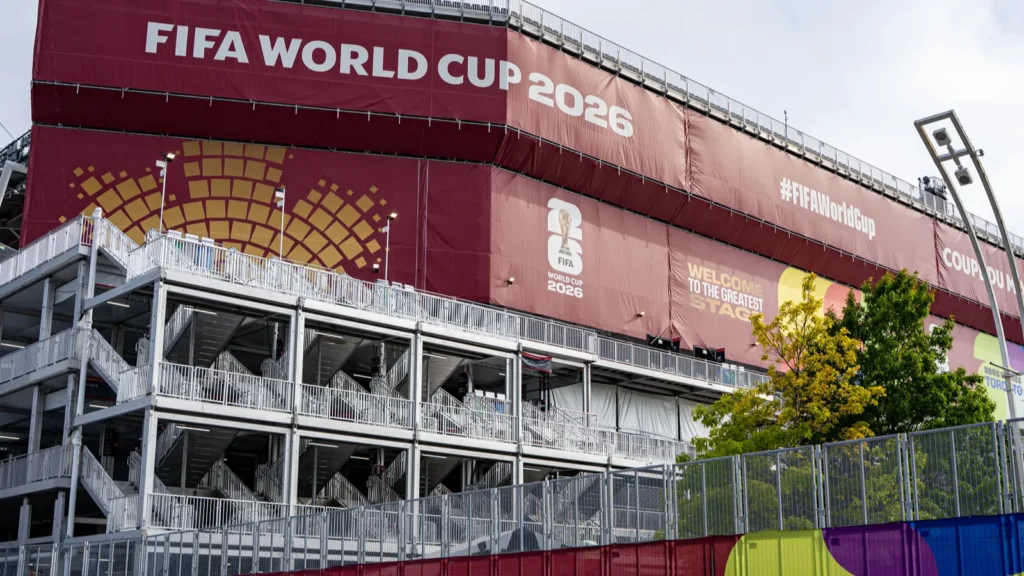
A prolonged standoff could eventually affect major FIFA tournaments. The 2027 FIFA Women’s World Cup is scheduled for Brazil from June 24 to July 25, while UEFA’s July 30 position applies broadly to FIFA competitions. The dispute could therefore extend beyond individual events.
European teams are also scheduled to play in Women’s World Cup qualifying playoffs in October 2026. Reuters reported that further escalation could affect those matches. European national teams could face difficult decisions if the dispute continues.
The sporting stakes are significant because Europe includes several leading women’s football nations. England defender Lucy Bronze said European players would support a boycott if necessary. She argued that protecting the sport’s long-term future was more important than competing in individual competitions.
Where the standoff might go from here
FIFA has withdrawn the investment proposal, apologized for the process, and promised a review. UEFA says key assurances about future private-ownership plans are still missing. The dispute has also expanded into a wider debate over Infantino’s leadership.
The situation grew more complicated on August 7. Norway called for Infantino to resign, while Mexico and Argentina backed him. France also said it still plans to participate in September’s U-20 Women’s World Cup despite UEFA’s boycott threat.
The tournament in Poland could become an important test of UEFA’s boycott decision. The dispute is no longer simply between FIFA and its opponents, as national associations are taking different positions on Infantino and the broader governance issue.
Little-known fact: The FIFA U-20 Women’s World Cup in Poland could become the first major tournament to test UEFA’s boycott position.
TL;DR
- UEFA confirmed its boycott of FIFA competitions remains active despite Infantino dropping his investment plan.
- The dispute began when FIFA proposed selling stakes in the World Cup to private investors.
- UEFA wants a permanent withdrawal of the plan, plus a written guarantee that it never returns.
- The Under-20 Women’s World Cup in Poland this September is the first real test.
- A prolonged standoff could affect the 2027 Women’s World Cup and key broadcast partnerships.
If you liked this story, don’t forget to follow us for more exclusive content.
This article was made with AI assistance and human editing.
If you liked this, you might also like: