
WNBA officiating, physical play and the Caitlin Clark spotlight
WNBA officiating has become a major talking point as the league works to address physical play and consistency on the court. Caitlin Clark has found herself involved in several moments that have drawn attention, while the league has taken steps to review controversial calls and strengthen its officiating process.
From disputed fouls to changes designed to improve consistency, the issue has continued to develop throughout the season. Here’s a closer look at the calls, reviews and league decisions shaping the conversation.
The league changed its approach to physical play
The WNBA formed an officiating task force during the offseason to address physical play entering the 2026 season. One major emphasis was allowing players greater freedom of movement by limiting illegal holding, impeding and excessive contact.
The changes have produced more fouls across the league this season. Through the first half, teams were averaging roughly 4.5 additional fouls per game compared with 2025.
Clark was involved in a contentious June game
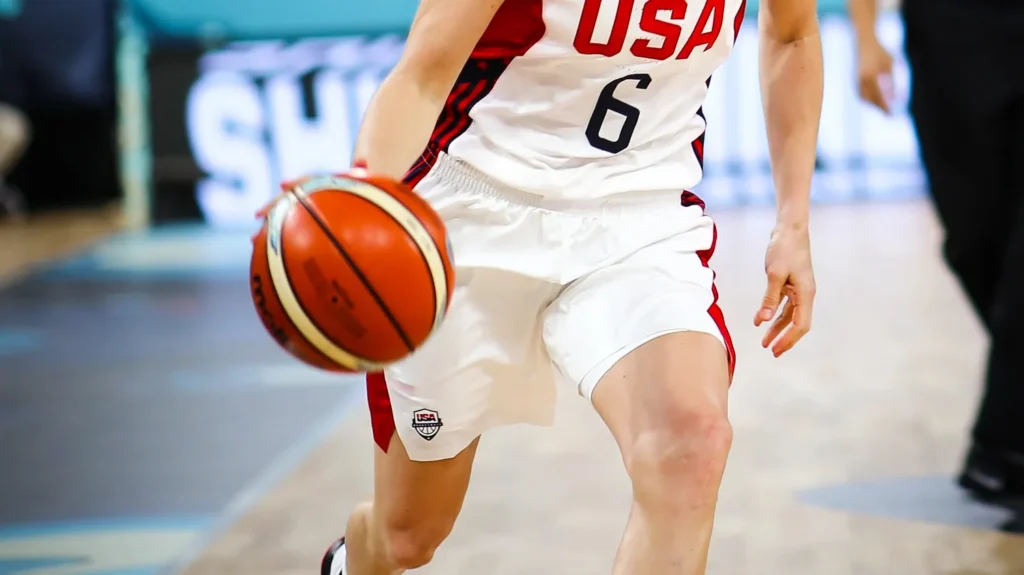
On June 22, Indiana defeated Phoenix 86-77 in a game that became increasingly physical late. Six technical fouls were assessed between the teams during the fourth quarter, and Phoenix’s Myisha Hines-Allen was ejected after receiving her second technical.
Clark scored 24 points and had nine assists in the victory. The teams met again two days later, when another physical incident involving Clark drew league attention.
Alyssa Thomas received a suspension
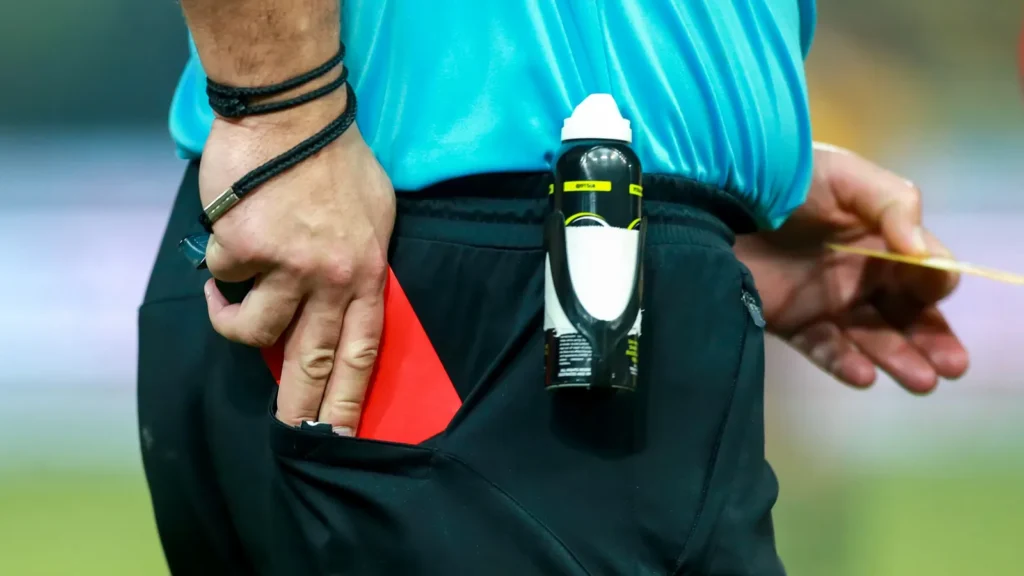
During Phoenix’s June 24 game against Indiana, Alyssa Thomas made contact with Clark’s throat area with her fist while the players competed for the ball. No foul was called during the game, but the WNBA reviewed the incident afterward.
The league classified the contact as a Flagrant Foul 2 and suspended Thomas for one game. The incident became one of the season’s most discussed officiating decisions.
The postgame review changed the ruling
The WNBA rules allow the league office to review games and upgrade an uncalled foul to a flagrant foul. That authority was used after the Thomas-Clark incident, resulting in a Flagrant Foul 2 designation.
Thomas received a one-game suspension in addition to the upgraded foul. The league said the contact was a non-basketball act and described it as reckless contact to Clark’s throat area.
Clark later faced a disputed technical foul
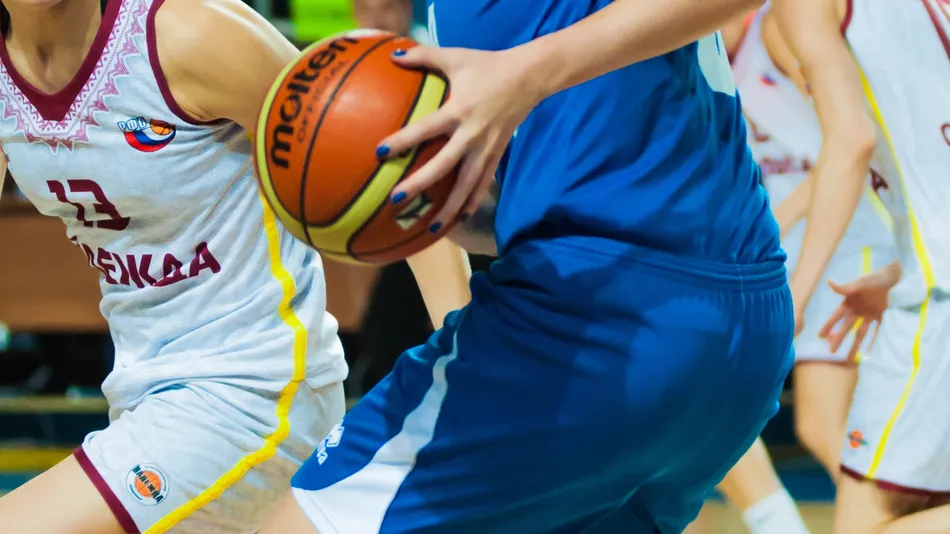
On August 8, Clark was assessed a technical foul during Indiana’s 90-86 victory over Chicago. The call came after Clark was forced out of bounds and made contact with a referee while moving near the baseline.
The technical would have been Clark’s eighth of the season, which under WNBA rules would have triggered a one-game suspension. The league rescinded the technical several hours after the game.
The rescinded call kept Clark eligible
Clark said the contact with the referee was accidental and that no words were exchanged during the incident. After reviewing the play, the WNBA removed the technical foul from her record.
The decision meant Clark remained eligible for Indiana’s following game against New York. The episode added another prominent example of an officiating decision being reviewed and changed after the final whistle.
Interesting fact: WNBA players have worn microphones during games as part of the league’s efforts to give fans more behind-the-scenes access and player perspective.
Physical contact continued into August
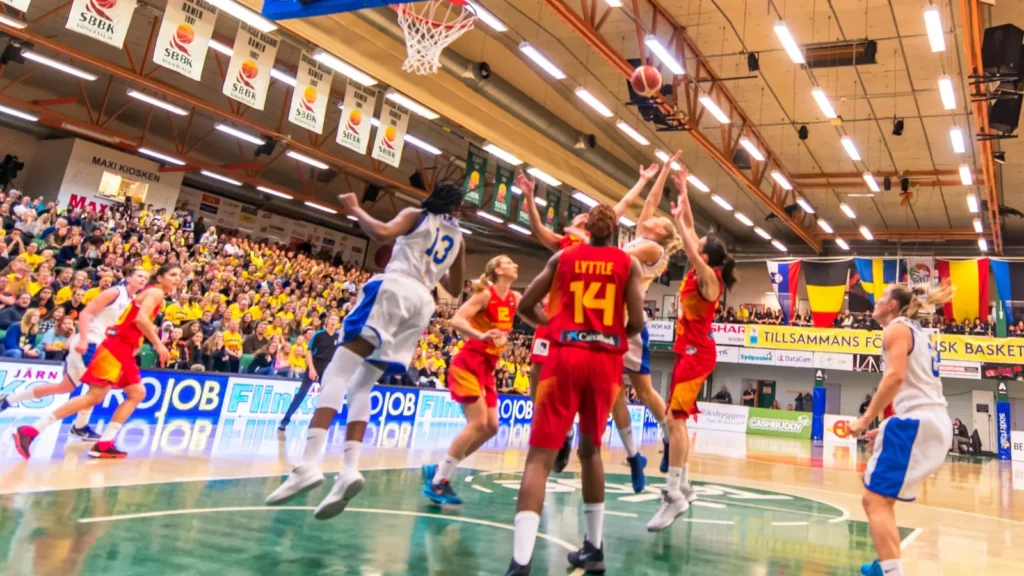
During Indiana’s July 15, 2026 loss to Golden State, Clark took a hard fall after contact with Kiah Stokes while driving toward the basket. No foul was called on the play, and Clark later confronted an official during the next stoppage.
Clark briefly left the game and went to the locker room before returning to the bench and later returning to the game. The incident became another example cited in discussions about physical play and officiating involving the Fever guard.
Interesting fact: The WNBA had an official daily fantasy offering with FanDuel as far back as 2017, and ESPN launched a full-season fantasy WNBA game in 2022.
Officials are calling more fouls overall
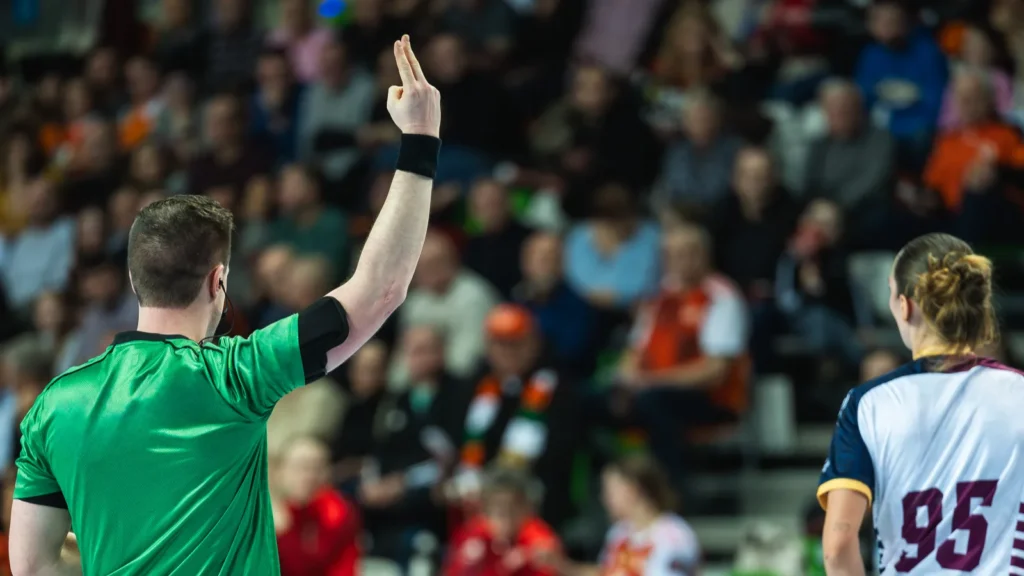
The league’s 2026 officiating emphasis has produced a measurable increase in fouls. Through the first half of the season, teams were averaging about 4.5 more fouls per game, with roughly 75% of those additional calls being non-shooting fouls.
Technical and flagrant fouls also increased during the period. The league reported 124 technical fouls and 44 flagrants compared with 171 technicals and 51 flagrants throughout the entire 2025 season.
The WNBA is adding a replay center
The WNBA announced in July that it will launch a centralized Replay Center beginning with the 2027 season. The center will connect every WNBA arena with replay personnel and provide officials with access to multiple camera angles.
The system is designed to improve the speed and accuracy of review decisions. The league said the investment is intended to strengthen consistency, efficiency and transparency in officiating.
Clark remains a major part of the league’s spotlight
The attention surrounding Clark has continued alongside her strong 2026 performances for Indiana. On Aug. 28, she scored 34 points and recorded 12 assists during Indiana’s 111-91 victory over Connecticut.
On Aug. 23, Clark produced 37 points and a career-high eight made 3-pointers against Chicago. Indiana entered Aug. 29 with a 26-14 record after winning seven of its previous nine games.
The internet is also talking about Klay Thompson choosing new NBA destination after reaching buyout with Dallas Mavericks.

The officiating debate continues as the season advances
The WNBA’s officiating discussion now includes real-time calls, postgame reviews and planned technology upgrades. Clark’s incidents have received substantial attention, but league officials have emphasized broader improvements involving physical play across the competition.
The WNBA’s centralized Replay Center is scheduled to begin in 2027. Meanwhile, the 2026 season continues with increased offensive production, more fouls and ongoing scrutiny of officiating decisions.
In other news, Charles Oakley breaks down the real reason he open-hand slapped Charles Barkley.
What do you think about the WNBA’s approach to officiating and physical play? Like this post if you’ve been following the discussion, and comment with your take on whether the league’s recent changes are making a difference.
This slideshow was made with AI assistance and human editing.
Read More From This Brand: