Politics enters the College GameDay spotlight
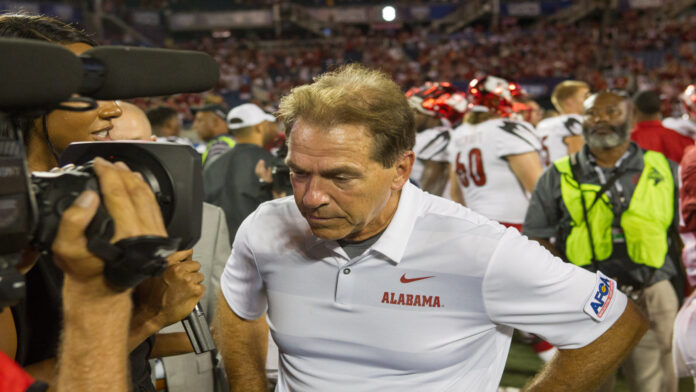
College football coverage took an unexpected turn when politics entered the conversation on ESPN’s College GameDay. Nick Saban, Pat McAfee and Sen. Ted Cruz each became connected to the debate surrounding the Protect College Sports Act.
The broadcasts sparked reactions from viewers and drew a response from the NAACP, adding another layer to an already active debate over college athletics. As the legislation moves through Congress, the story continues to develop both on television and beyond.
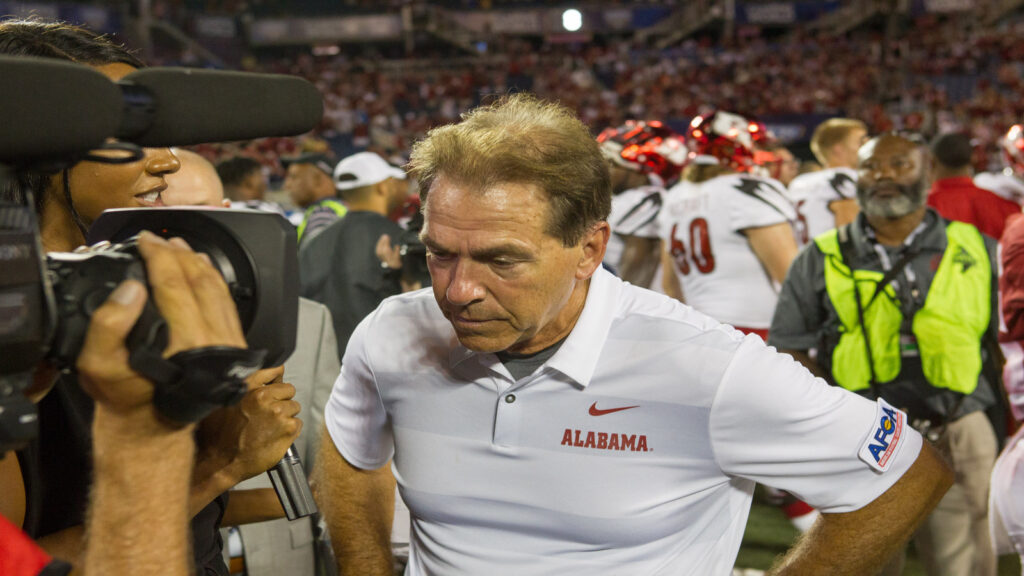
Nick Saban publicly supports the legislation
Saban has publicly supported the Protect College Sports Act beyond his television appearances. In June, he testified before the Senate Commerce Committee and said athletes should be able to earn money from legitimate name, image and likeness opportunities.
His testimony also distinguished traditional NIL agreements from arrangements he described as pay-for-play. Saban argued that federal standards could provide clearer rules for athletes, schools and athletic programs.

Saban discussed the bill on GameDay
During the Sept. 5 College GameDay broadcast from Baton Rouge, Saban discussed the Protect College Sports Act alongside Pat McAfee. Saban said he supported the measure and cited provisions involving transfers, five-year eligibility, compensation and other rules for college athletics.
McAfee also called for Congress to act on the legislation during the discussion. Their comments brought a specific federal college sports bill into the program’s pregame coverage.

The legislation became the central issue
The Protect College Sports Act was introduced in the Senate by Republican Sen. Ted Cruz of Texas, Democratic Sen. Maria Cantwell of Washington, Republican Sen. Eric Schmitt of Missouri and Democratic Sen. Chris Coons of Delaware. The proposal seeks federal standards for college athletics, including rules involving NIL, transfers, eligibility and other issues.
The legislation has received support from prominent coaches and sports organizations, while groups including the NAACP and AFL-CIO have raised objections concerning athlete rights and other provisions.
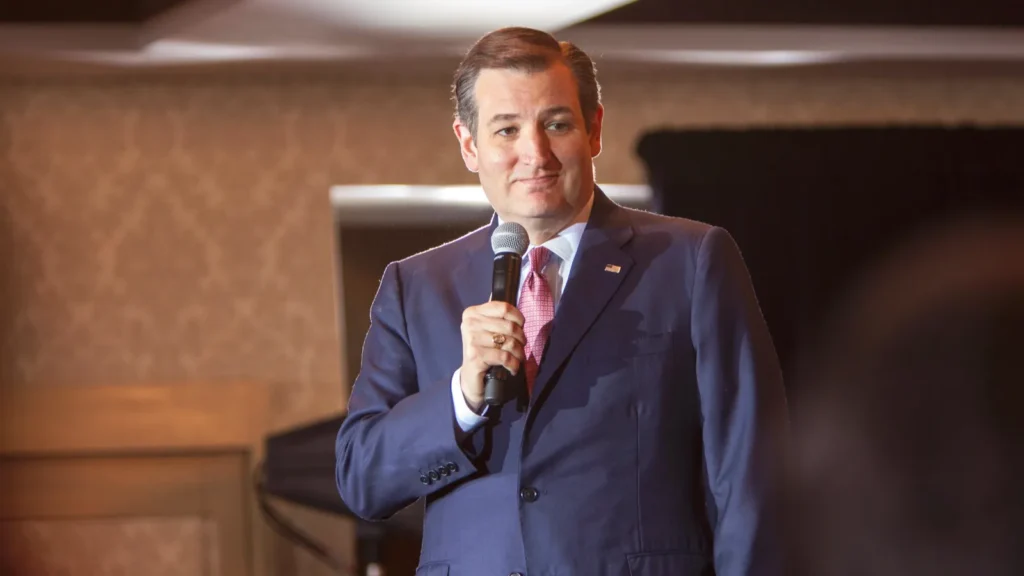
Ted Cruz appeared on the Austin broadcast
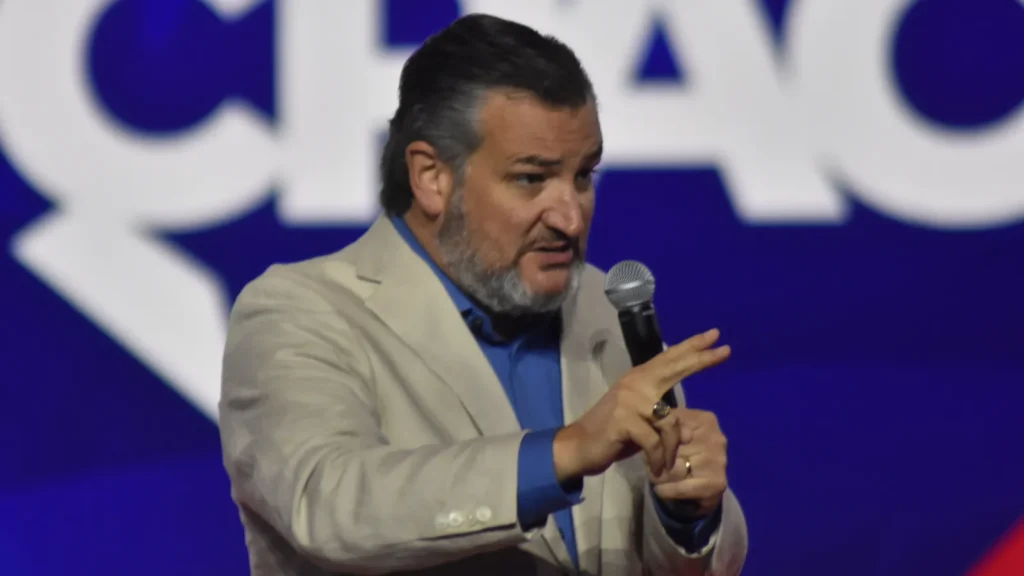
Cruz appeared on College GameDay on Sept. 12 before Texas played Ohio State in Austin. During an interview lasting roughly nine minutes, he discussed the Protect College Sports Act and explained his arguments for federal regulation of college athletics.
The appearance included audible boos and chants from portions of the crowd behind the set. Cruz continued discussing the legislation during the televised segment despite the audience reaction.
ESPN faced criticism after the interview
The Cruz appearance generated criticism directed at ESPN because the interview promoted legislation that was being considered by Congress without an opposing viewpoint appearing on the same College GameDay broadcast. Poynter reported criticism of ESPN’s decision to give Cruz an extended platform for discussing the bill.
ESPN later provided airtime to NAACP President Derrick Johnson on SportsCenter after the NAACP requested an opportunity to present its opposition to the legislation. ESPN also said the focus shifted to SportsCenter so the discussion could take place before the Senate vote.

The NAACP requested airtime
The NAACP publicly challenged ESPN’s handling of the legislation discussion following Cruz’s appearance. The organization called for its president, Derrick Johnson, to be given an opportunity to explain the group’s opposition to the Protect College Sports Act.
The NAACP had already opposed the legislation before the College GameDay controversy. In an Aug. 4 article, Johnson wrote that the organization opposed giving colleges and athletic conferences new federal protections under the proposed law.
ESPN provided a response through SportsCenter
Johnson later appeared on ESPN’s SportsCenter to discuss the legislation and present the NAACP’s position. His appearance followed the organization’s public request for an opportunity to present an opposing view after Cruz’s College GameDay interview.
ESPN had discussed having Johnson appear on GameDay in Oxford but ultimately scheduled the conversation for SportsCenter. ESPN said the focus shifted so the discussion could take place before the Senate vote on the legislation.
Interesting fact: Four Heisman Trophy winners played under Saban, and he is the only coach to have coached Heisman winners at three different positions: running back, wide receiver and quarterback.
The bill has support and opposition
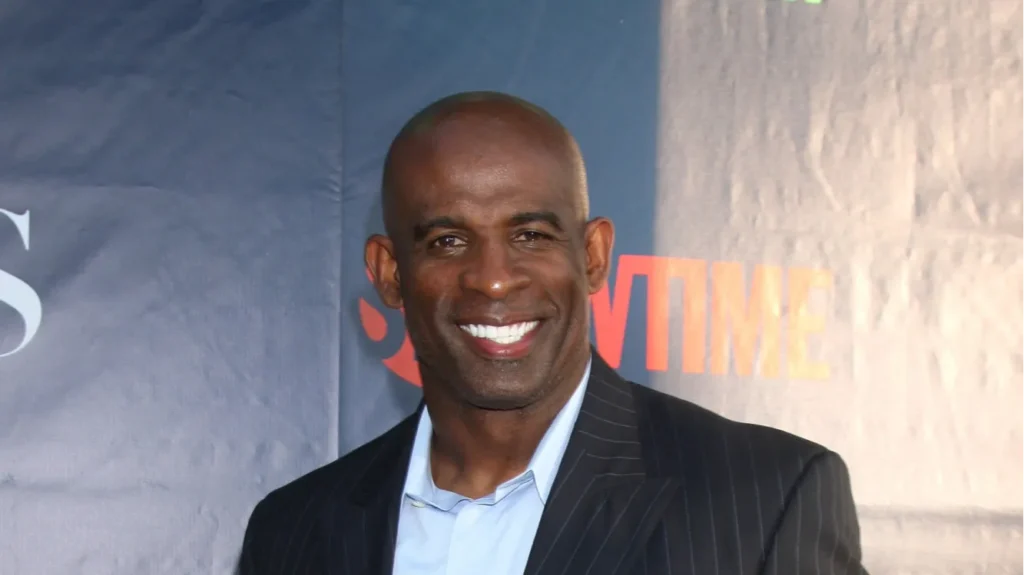
The Protect College Sports Act has support from several prominent figures in college athletics, including Saban and Colorado coach Deion Sanders. Supporters say federal standards could address issues involving NIL arrangements, transfers, eligibility and financial pressures affecting athletic programs.
Opposition has also come from organizations, including the NAACP and AFL-CIO. The Congressional Black Caucus previously urged the Senate Commerce Committee to pause consideration of the legislation until athletic leaders meaningfully addressed its concerns.
Interesting fact: Saban coached for 28 seasons as a college head coach, working at Toledo, Michigan State, LSU and Alabama before retiring after the 2023 season. His career record was 297-71-1.
Saban has taken his position to Congress
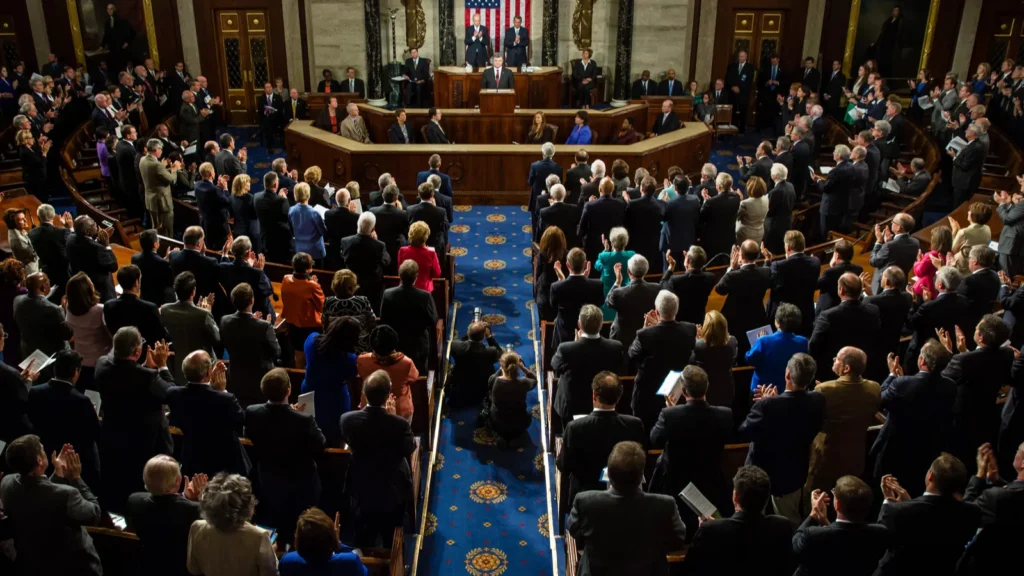
Saban’s involvement with the legislation extends beyond ESPN programming and television commentary. He testified before the Senate Commerce Committee on June 3, 2026, explaining his support for national rules governing NIL arrangements and other areas of college athletics.
In his testimony, Saban said he supported athletes benefiting from their NIL rights while criticizing arrangements he characterized as disguised pay-for-play. He argued that a national framework could establish clearer rules for transfers, eligibility, compensation and other aspects of college sports.

ESPN’s GameDay audience made the issue bigger
The controversy developed while College GameDay was attracting large audiences during the opening weeks of the 2026 season. ESPN reported that its Sept. 12 broadcast from Texas averaged 2.7 million viewers and reached 3.4 million during the final hour.
That episode became the program’s most-watched Week 2 edition on record. The large audience meant the legislation discussion reached viewers beyond those following congressional developments directly.
The debate continues as the Senate considers the bill
The political discussion surrounding college athletics continued as the Senate advanced the Protect College Sports Act. The Senate voted 74-24 on Sept. 15 to invoke cloture on the motion to proceed and voted 77-22 on Sept. 16 to proceed to consideration of the bill.
At the same time, College GameDay moved to Oxford for its Sept. 19 broadcast. ESPN scheduled the show around the LSU-Ole Miss matchup while the legislation continued through the Senate.
The internet is also talking about Travis Kelce revealing what really stood out about Mahomes’ touchdown.

The GameDay discussion remains part of a larger debate
The political discussion surrounding college athletics continued as the Senate advanced the Protect College Sports Act. The Senate voted 74-24 on Sept. 15 to invoke cloture on the motion to proceed and voted 77-22 on Sept. 17 to proceed to consideration of the bill.
At the same time, College GameDay moved to Oxford for its Sept. 19 broadcast. ESPN scheduled the show around the LSU-Ole Miss matchup while the legislation continued through the Senate.
In other news, Mike McCarthy is turning Aaron Rodgers into more than just Pittsburgh’s quarterback.
What do you think about politics becoming part of college football coverage? Like this slideshow and comment with your thoughts on the College GameDay discussion.
This slideshow was made with AI assistance and human editing.
Read More From This Brand: