Champion’s remarks spark debate over Clark’s fanbase
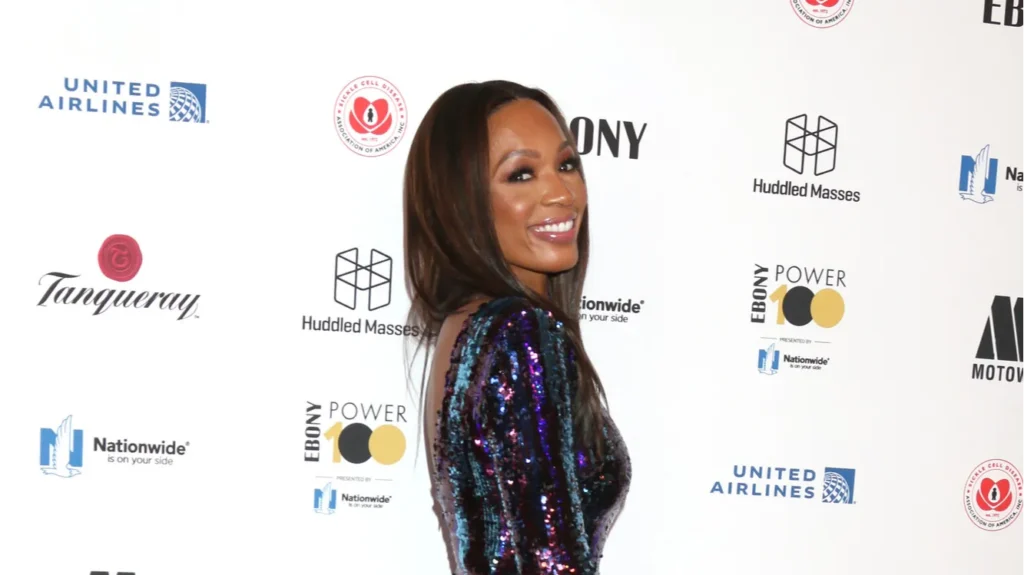
Cari Champion’s comments about Caitlin Clark’s fanbase have sparked a fresh debate around the WNBA, race, fandom and player treatment. Champion praised Clark’s impact on women’s basketball while also criticizing what she described as entitled and inappropriate behavior from some of Clark’s supporters.
Her remarks brought renewed attention to the changing culture surrounding women’s basketball and the growing influence of Clark’s audience. The response also highlighted disagreements over how the WNBA should handle passionate fandom, online behavior and criticism involving its players.
The Bakari Sellers Show interview
Champion appeared on The Bakari Sellers Show in an episode published September 16, 2026. The episode covered her ESPN career, sports journalism, race, politics, and basketball topics, including Clark’s influence on the WNBA and the intensity surrounding her supporters.
The podcast description says Champion discussed how the league could embrace its biggest star while continuing to critique Clark and protect other players. Her remarks about Clark’s supporters drew substantial attention online after excerpts from the interview circulated on social media and were reported by sports outlets.
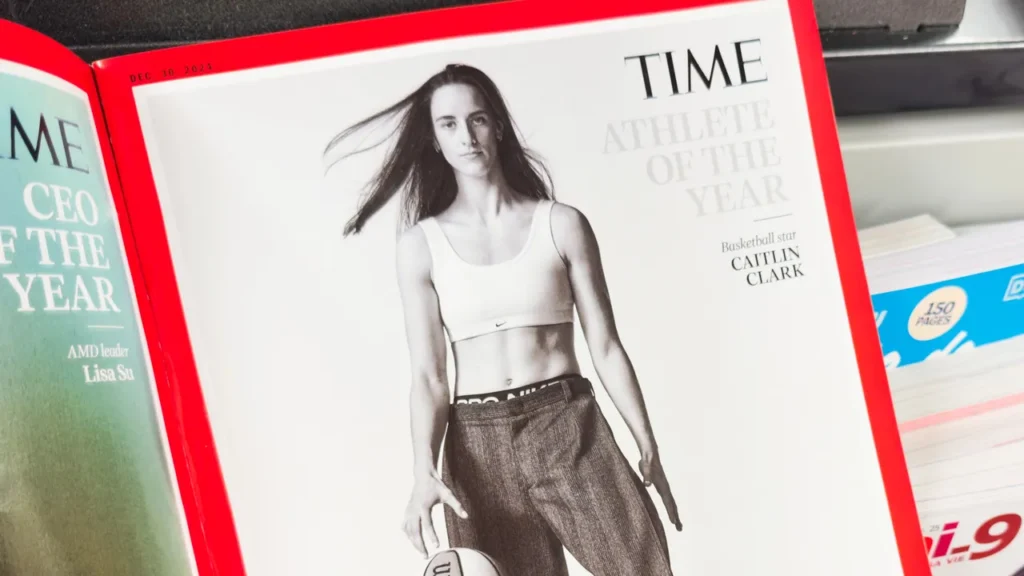
Champion acknowledged Clark’s impact
Champion did not dismiss Clark’s basketball or business impact during the discussion. She compared Clark’s influence to Stephen Curry’s effect on basketball and acknowledged that Clark helped bring people who previously had limited interest in women’s basketball into the WNBA audience.
The WNBA recorded substantial growth during Clark’s rookie season in 2024, although the league does not attribute all growth to one player. That season produced the highest total attendance in 22 years, record digital consumption, and the most-watched regular season across ESPN platforms.
Champion focused on the fanbase
Champion said Clark’s popularity created a newer group of WNBA followers and connected that audience with increased business for the league. She described some supporters as “entitled” and “extremely nasty,” arguing that the WNBA needed to address behavior she considered inappropriate toward other players.
Champion also discussed race and identity when explaining why she believes Clark connects with certain supporters. Those comments became central to the subsequent criticism because they extended the discussion beyond individual fan behavior into broader questions about race, representation, and sports culture.
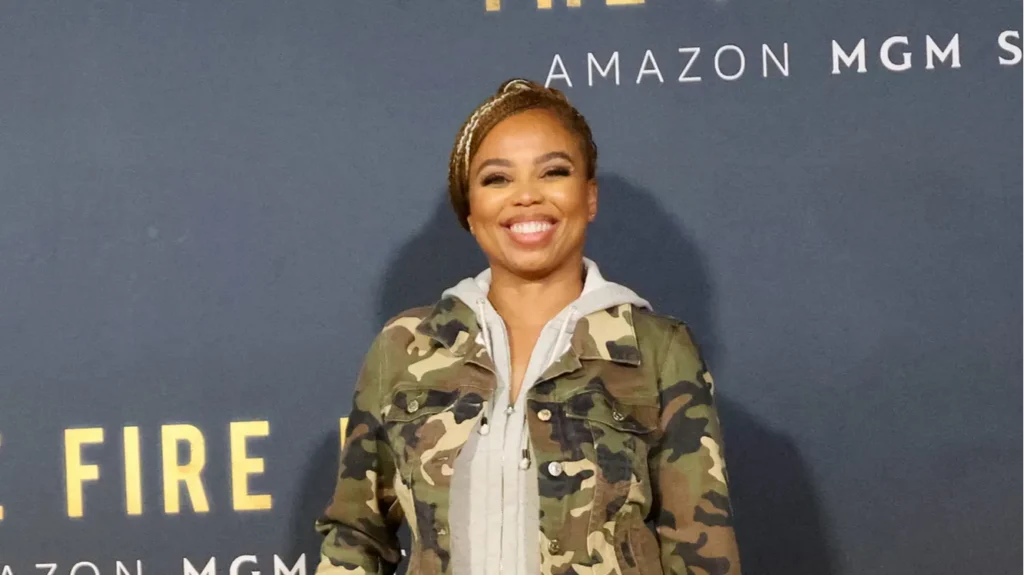
Earlier criticism also involved Clark fans
Champion had previously discussed Clark’s supporters with Jemele Hill before her September appearance with Bakari Sellers. In that conversation, Champion described receiving hostile messages from people identifying themselves as Clark supporters and said she believed some online language directed toward her carried racial overtones.
The September discussion therefore continued a subject Champion had already raised publicly. Her comments were not limited to Clark’s on-court conduct, but also addressed how online supporters interact with players, commentators, coaches, and others involved with the WNBA.
Panahi and Hinderaker respond
Rita Panahi and John Hinderaker addressed Champion’s comments on September 21. Panahi criticized Champion’s discussion of Clark’s supporters, while Hinderaker argued that conversations surrounding Clark can shift from basketball toward race and broader cultural disagreements.
Their response added another layer to the controversy by directly challenging Champion’s characterization of the fanbase. Their comments came after excerpts from Champion’s interview circulated online and received coverage from sports and media outlets.
Clark has a large WNBA following
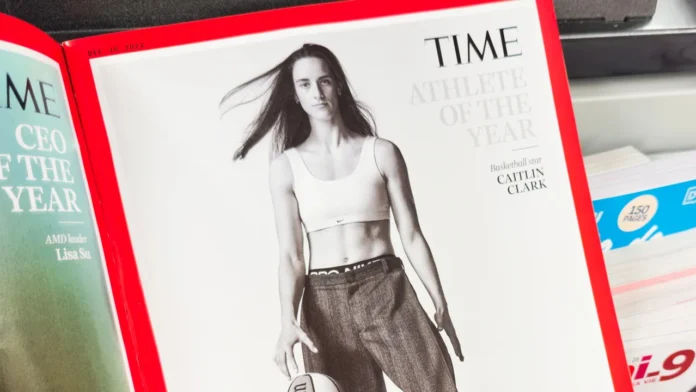
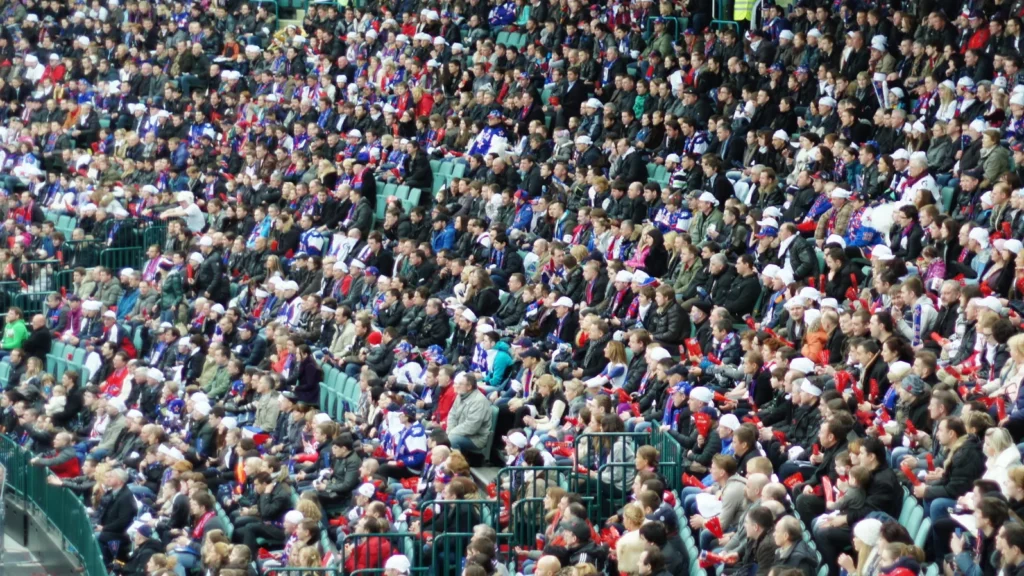
Clark entered the WNBA as the Indiana Fever’s first overall pick in 2024 after becoming the NCAA Division I career scoring leader. The WNBA says she finished college with 3,951 points and 548 three-pointers, while also leading Division I in scoring and assists during her senior season.
Her professional profile has remained significant through 2026. The WNBA lists Clark as the 2024 Rookie of the Year, a 2026 All-Star, a 2024 All-WNBA First Team selection, and the 2024 assists leader, illustrating why discussions about her frequently attract attention beyond individual games.
The Fever helped drive attendance growth
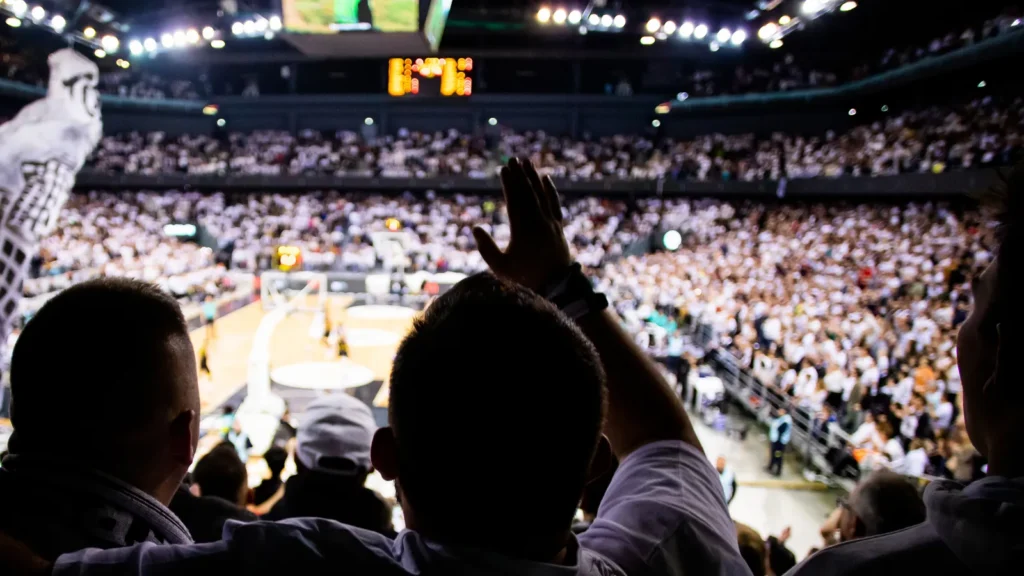
The Indiana Fever recorded 340,715 home attendees during the 2024 regular season, according to the WNBA. That figure established a single-season team attendance record, while Indiana’s year-over-year attendance increased 319% compared with the previous season.
The league also recorded three games involving Indiana that attracted more than 20,000 spectators during 2024. One matchup against Washington drew 20,711 fans, setting the WNBA single-game attendance record at that time and providing another measurable example of the attention surrounding the Fever.
Interesting fact: Champion has worked beyond ESPN. She hosted The Cari Champion Show on Amazon Prime Video beginning in 2022.
Clark remained prominent in 2026
Clark remained among the leading players in WNBA All-Star fan voting during 2026. In the league’s first voting returns, she received 253,602 votes, placing fifth overall, while averaging 20.4 points per game and ranking fourth in league scoring at that stage.
Those figures provide measurable context for Champion’s comments about Clark’s popularity. Fans accounted for 50% of the All-Star starter vote, while current players and a media panel each accounted for 25%.
Interesting fact: Clark has now been selected as a WNBA All-Star three times, earning spots in 2024, 2025 and 2026.

Online harassment has affected players
Concerns about online behavior surrounding Clark became particularly visible after a June 24, 2026 game against Phoenix. Alyssa Thomas was later suspended one game after the WNBA upgraded contact with Clark’s throat to a Flagrant Foul 2, and Thomas subsequently said she had received death threats and racist abuse.
The incident does not establish that Clark’s entire fanbase was responsible for the abuse. Fever coach Stephanie White specifically said she believed much of the online toxicity came from people using the league and its players for divisive agendas rather than from ordinary WNBA or Fever fans.

Clark condemned the harassment
Clark publicly addressed the situation in July and condemned harassment directed toward Thomas and other WNBA players. She said criticism of basketball was acceptable but described personal attacks and threats as unacceptable, while also calling for stronger player protection from the league.
Clark’s comments are relevant to the current debate because they show that she has publicly rejected abusive behavior directed at opponents. Her statement followed a controversy that had generated intense online discussion about the treatment of players and the broader culture surrounding the WNBA.

The debate involves broader WNBA tensions
The controversy around Champion’s comments comes during a period of rapid WNBA growth and increased scrutiny. The league has faced discussions involving race, sexuality, player safety, officiating, social-media harassment, and the changing composition of its audience as more people have begun following women’s basketball.
Champion’s remarks therefore became part of an existing conversation rather than an isolated dispute. Her statements focused on Clark’s supporters, while other commentators have emphasized player protection, online conduct, league growth, and the distinction between criticism of athletes and harassment of them.
The internet is also talking about USA-France FIBA Women’s World Cup final drawing 1.2 million viewers in 2026.

The discussion continues around Clark
Champion’s September remarks have continued generating media coverage because Clark remains one of the WNBA’s most recognizable players. Her popularity has produced measurable attendance, viewing, voting, and commercial attention, while controversies involving her often generate additional discussion about the league’s culture and rapidly expanding audience.
The current dispute includes Champion’s criticism, responses from other commentators, and documented concerns about online harassment involving WNBA players. At the same time, Clark has publicly rejected threats and hateful behavior, leaving the broader conversation focused on how the league manages growth, fandom, and player protection.
In other news, Sophie Cunningham fuels romance speculation involving former WNBA staffer.
What do you think about the discussion surrounding Champion’s comments and Clark’s fanbase? Like and comment to share your thoughts.
This slideshow was made with AI assistance and human editing.
Read More From This Brand: