

Football fans expect hard hits and last-second drama, not dangerous heat rising from the field beneath players’ feet. On Sept. 20, a Sunday afternoon in Nashville turned into a major player-safety talking point across the NFL.
Travis Kelce, never shy about sharing his opinion, reacted strongly after the Eagles and Titans played on extremely hot artificial turf at Nissan Stadium. His comments on New Heights added more attention to an already heated debate over NFL playing surfaces.
Turf temperature reached alarming levels
During the Eagles-Titans matchup at Nissan Stadium, the artificial surface reportedly reached 157°F that afternoon. The Fox broadcast showed the field-temperature reading during the Sept. 20 game in Nashville.
The extreme heat radiating from the turf affected players and staff throughout the contest. Eagles lineman Cam Jurgens said halftime felt like a pit crew rushing to replace his damaged cleats.
Coach Nick Sirianni reportedly needed an IV after the game ended. Conditions that hot raise real concerns about player safety and heat stress beyond ordinary discomfort during football games.
Kelce reacts to Nashville heat disaster
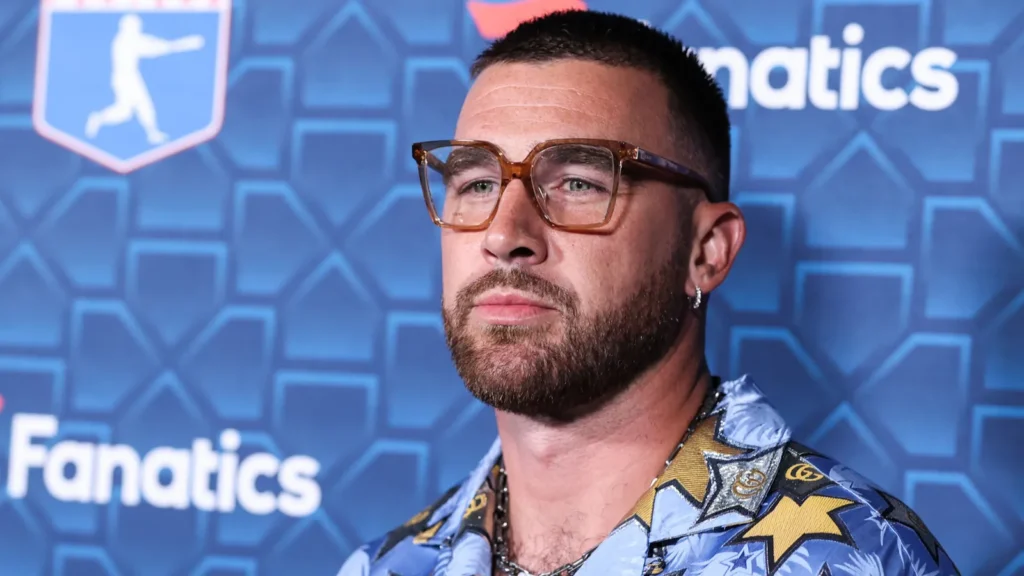
Travis Kelce did not hold back after watching the Eagles and Titans deal with brutal turf conditions in Nashville. On New Heights, he called the situation “insane” and said players should not be put on a field that reaches that kind of temperature.
Kelce’s comments added to the wider player-safety debate over artificial surfaces. The Nashville game became a fresh example for athletes who argue that extreme turf heat should be treated as a serious workplace-safety issue.
His reaction also came as the NFL continues reviewing field-surface standards with the NFLPA. For many players, the question is not just comfort, but whether league rules are moving quickly enough to address avoidable risks.
Players struggled just to function
Eagles left tackle Jordan Mailata said the Nashville game changed how he viewed heat on artificial turf. He described the surface as trapping heat and sending it back up toward players.
Players and staff tried to manage the heat however they could. Titans players were seen having water sprayed on their cleats during breaks, while Eagles players dealt with damaged footwear on the hot surface.
Extreme heat combined with intense physical exertion can increase the risk of heat-related illness, including heat cramps, dizziness, and heat exhaustion. That made the turf temperature reading more than just a comfort issue for players on the field.
Jason Kelce backs his brother fully
Jason Kelce joined Travis on New Heights to discuss the extreme turf conditions in Nashville. The brothers talked about the 157°F reading and the player-safety concerns raised by the Eagles-Titans game.
The former Eagles center has previously spoken against artificial turf and supported natural grass as a safer playing surface. His view lines up with the NFLPA’s long-running argument that players face higher non-contact injury rates on turf.
Together, the brothers used their podcast to put more public attention on a debate that has already involved players, the NFLPA, team owners, and league safety officials.
Why synthetic surfaces trap more heat
Artificial turf often contains plastic fibers and infill materials that absorb and hold heat differently from living grass. Research has found that synthetic turf can reach much higher surface temperatures than natural grass, especially in direct sunlight.
Natural grass can cool itself through evaporation and plant moisture processes, while synthetic fields do not provide the same cooling effect. That helps explain why artificial surfaces can become extremely hot during sunny afternoon games.
Studies have recorded synthetic-turf surface temperatures far above nearby natural grass and, in some cases, well above the surrounding air temperature. That gap helps explain why players compare hot turf to standing on pavement.
Little-known fact: Samples of old Philadelphia Veterans Stadium turf were later tested by Eurofins and found to contain 16 different PFAS compounds.
Injury data adds fuel to debate
Beyond heat concerns, turf critics frequently cite injury statistics compiled over several NFL seasons. An NFLPA-cited analysis of 2012 to 2018 data found a 28% higher rate of non-contact lower-extremity injuries on artificial turf compared with grass.
The same NFLPA analysis reported a 32% higher rate of non-contact knee injuries and a 69% higher rate of non-contact foot and ankle injuries on artificial turf compared with grass.
Combined with heat exposure, those figures help explain why many players continue to push for natural grass. Their argument is that convenience and cost savings should not outweigh concerns about long-term player health.
League response remains cautious so far
The NFL has said field safety is complex and does not have a simple turf-versus-grass answer. League officials point to joint work with the NFLPA, including testing and surface-quality standards, before making broad changes across all stadiums.
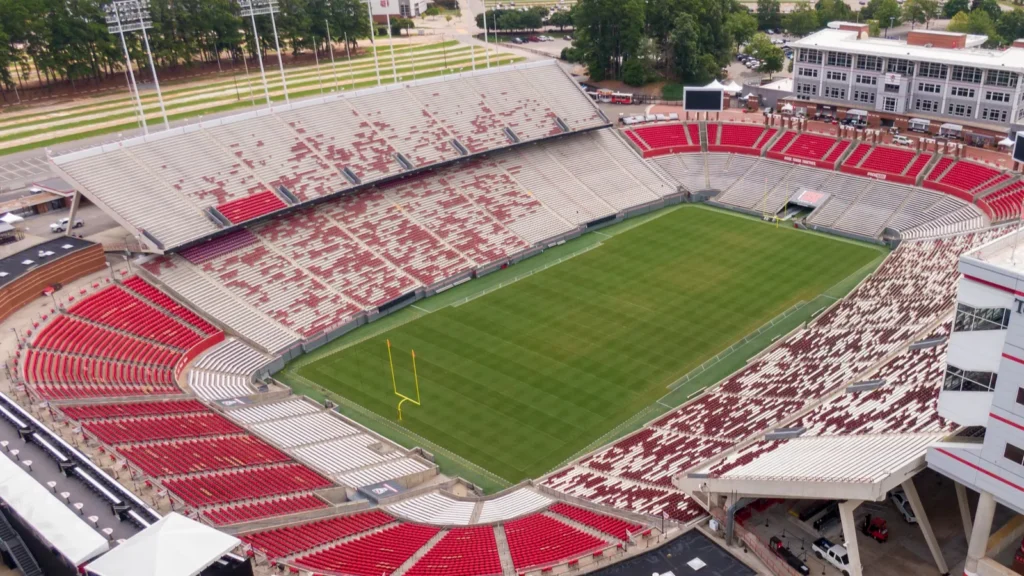
Critics, including many players and the NFLPA, argue the league should move faster toward natural grass. As of the 2026 season, 16 NFL teams play home games on artificial turf across 14 stadiums.
The NFL has announced that every stadium’s playing surface must meet updated standards by the start of the 2028 season. That plan does not require every team to switch to natural grass, but it does create a new approval process for field surfaces.
Could natural grass finally win out
Momentum seems to be steadily building behind grass advocates across the entire league this season once again. High-profile injuries, combined with viral heat footage, keep this conversation firmly in public view, unlike in previous years.
Star power matters quite a lot in situations like this one. When someone as visible as Kelce speaks publicly, league officials face tougher questions from reporters and fans demanding real answers rather than vague promises.
Whether owners will actually commit real money to full conversion remains unclear at this point. Grass installation costs more and requires ongoing care, but player safety advocates argue that the expense cannot outweigh basic player well-being.
TL;DR
- Travis Kelce criticized the situation after Nissan Stadium turf reportedly hit 157°F during a Titans-Eagles game.
- Jason Kelce discussed the hot-turf issue with his brother on New Heights.
- NFLPA-cited data show a 28% higher rate of non-contact lower-extremity injuries on artificial turf than on grass.
- About 92% of surveyed players said they prefer natural grass over synthetic turf.
- The NFL says field safety is complex, while 14 stadiums still use artificial turf during the 2026 season.
Read More From This Brand:
- Patrick Mahomes makes a surprising admission after the controversial Colts fumble reversal
- Travis Kelce sets NFL record as Chiefs survive Colts in overtime thriller
- What made Robert Griffin III speak out after LSU’s latest game?
This article was made with AI assistance and human editing.