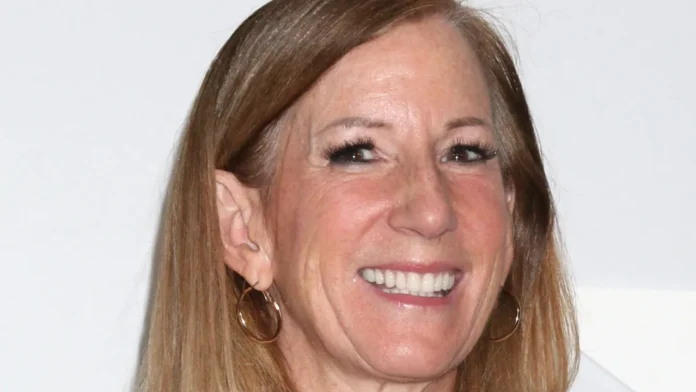
WNBA Commissioner Cathy Engelbert is entering the final months of her tenure under renewed scrutiny. Engelbert announced Sept. 4 that she will retire at the end of 2026, after more than seven years leading the league.
Her departure comes after a remarkable period of growth. The WNBA secured a new collective bargaining agreement, increased franchise values and expanded its media reach. The league also plans to grow to 18 teams by 2030.
Still, player frustration has remained a major issue. Concerns have focused on officiating, player safety, communication and compensation. Those disputes have repeatedly placed Engelbert at the center of difficult conversations about the league’s future.
Players have questioned Engelbert’s leadership
The strongest public criticism came from Minnesota Lynx star Napheesa Collier in September 2025. During her season-ending media session, Collier questioned league leadership and sharply criticized Engelbert’s handling of several issues.
Collier pointed to officiating, player compensation and concerns about physical play. Her comments carried added weight because she served on the WNBA Players Association’s executive committee during a tense period between players and league officials.
Engelbert disputed Collier’s description of their conversations. She said she was “disheartened” by the portrayal of their relationship. However, she also reaffirmed her commitment to working with players and improving the league.
Officiating became a major flashpoint
Officiating became one of the league’s biggest sources of frustration. Collier argued that inconsistent calls were hurting the quality of games. Coaches, including Cheryl Reeve, also raised concerns during the 2025 playoffs.
The issue continued into 2026. That kept pressure on league officials to improve consistency and protect players. Engelbert discussed additional work involving stakeholders to address concerns about how games were being officiated.
The debate highlighted a difficult challenge for the commissioner. Players wanted greater accountability and consistency. The league also needed to maintain standards across a growing competition. As a result, officiating became a recurring leadership issue.
Player safety added to the criticism
Player safety became another major concern after Phoenix Mercury forward Alyssa Thomas received a one-game suspension. The penalty followed contact with Caitlin Clark during a June 2026 game.
Thomas later said she received death threats after the incident. She also criticized the league’s response to the online abuse. Her concerns focused more on player protection than the suspension itself.
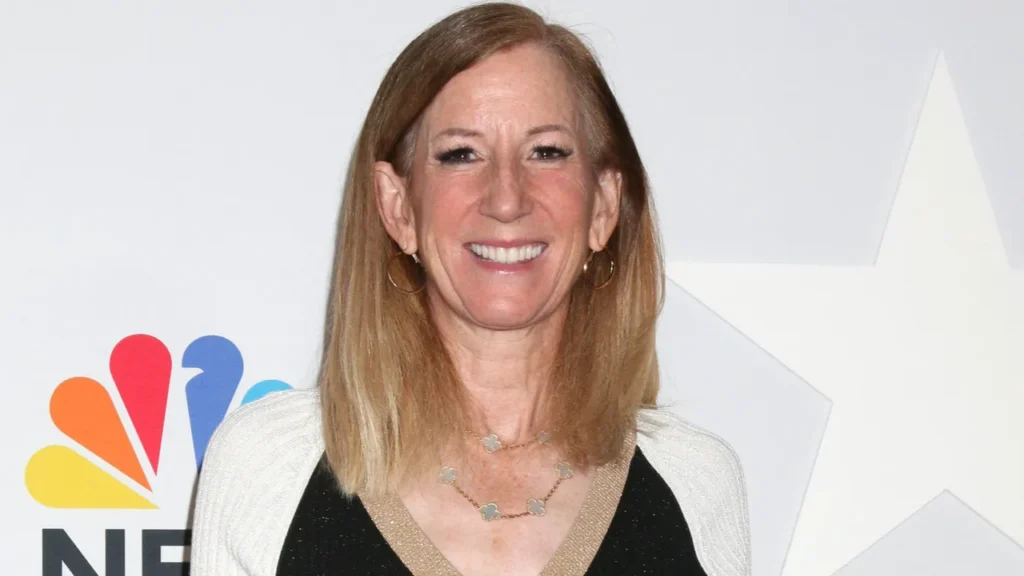
Engelbert responded by saying the WNBA “vehemently condemns” hate. She also said league security was in contact with the Mercury. Still, the episode raised wider questions about protecting players away from the court.
Communication has remained a sticking point
Communication between Engelbert and players has also faced criticism. Breanna Stewart, a prominent player and union executive committee member, said there was respect for Engelbert. However, she described the commissioner-player relationship as limited.
Engelbert acknowledged that communication needed improvement. She said the league had relied heavily on email. She also recognized that players might respond better to more direct conversations and clearer communication.
The criticism suggested a deeper problem than individual disagreements. Some players appeared to feel disconnected from the league office. That concern became more important as the WNBA’s audience and commercial profile continued to expand.
Labor negotiations intensified tensions
The relationship between players and Engelbert was also tested during negotiations for a new collective bargaining agreement. The talks eventually produced a seven-year agreement covering 2026 through 2032.
The deal brought major financial changes. The WNBA said its salary cap would rise from $1.5 million in 2025 to $7 million in 2026. The first-year maximum salary would reach $1.4 million.
Average salaries are also expected to exceed $583,000. Those gains show clear progress under Engelbert. However, the negotiations also revealed disagreements over how quickly league growth should translate into player compensation and other benefits.
Engelbert’s tenure brought major growth
Despite the criticism, Engelbert leaves behind a much larger WNBA. The league says her tenure produced major increases in viewership, attendance, merchandise sales, League Pass subscriptions and franchise valuations.
Expansion has also become a major part of the league’s strategy. The WNBA plans to reach 18 teams by 2030. New franchises in Portland and Toronto are part of that broader expansion effort.

A major media rights agreement has further strengthened the league’s financial position. These achievements make Engelbert’s record difficult to define only through player disputes. Her tenure has clearly changed the WNBA’s commercial standing.
Her retirement changes the conversation
Engelbert’s retirement creates a leadership transition at a critical moment. She has said she plans to help with the search for her successor. She could also remain temporarily if a replacement is not chosen by year’s end.
Her successor will inherit both the benefits and challenges of her tenure. The league will operate under a new CBA. It will also prepare for expansion and manage expectations created by rapid commercial growth.
The transition is therefore more important than a simple leadership change. The next commissioner must protect the league’s momentum while addressing player concerns. Communication, accountability, safety and trust will likely remain key issues.
A complicated legacy comes into focus
Engelbert’s legacy will likely be viewed from two different perspectives. Financially, the WNBA has experienced major growth during her tenure. Franchise values, salaries, media exposure and commercial interest have all increased.
However, prominent players have repeatedly questioned parts of her leadership. Collier’s criticism, Thomas’ concerns about player safety and complaints about communication show that growth has not eliminated tension.
As Engelbert prepares to leave, debate over her tenure will continue. She leaves behind a league with greater visibility, stronger finances and bigger ambitions. Her successor will also face players demanding a meaningful voice in that future.
Fun Fact: Before becoming the WNBA’s first commissioner, Cathy Engelbert became the first female CEO of a Big Four professional services firm in the United States.
TL;DR
- Cathy Engelbert will retire as WNBA commissioner at the end of 2026 after more than seven years.
- Players have criticized league leadership over officiating, safety, communication and compensation.
- Napheesa Collier and Alyssa Thomas have been among the most prominent voices.
- Engelbert’s tenure also brought major financial growth and a new collective bargaining agreement.
- The WNBA is preparing for expansion and plans to reach 18 teams by 2030.
- Her successor will inherit both unprecedented momentum and unresolved player concerns.
Read More From This Brand:
- Cathy Engelbert urged to suspend A’ja Wilson ahead of Game 3
- Angel Reese gets major WNBA spotlight after historic milestone
- Congress presses WNBA on eligibility rules after commissioner announces retirement
This article was made with AI assistance and human editing.