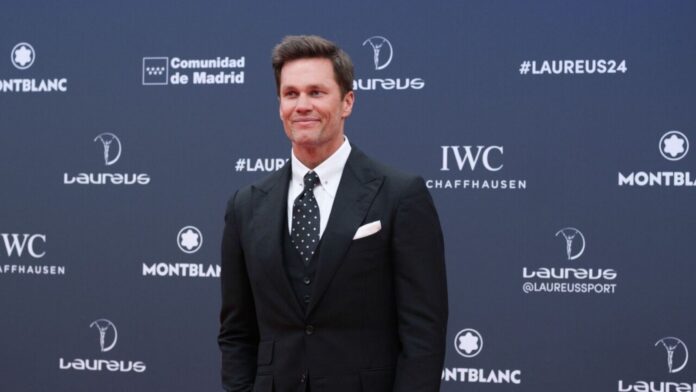
The biggest flashpoint came late in the fourth quarter, when Packers defensive tackle Karl Brooks was penalized for roughing the passer after making contact with Lions quarterback Jared Goff. The call immediately drew Brady’s objection.
“No, my goodness. What is that? There’s no way,” Brady said during the broadcast. He argued that Brooks was making a legitimate tackle in a split-second situation rather than committing a foul.
The penalty moved Detroit closer to field-goal range and became a major talking point after the Lions secured their 20-17 win. Brady’s reaction reflected his belief that the officials had applied the protection rules too strictly on the play.
Brady questions how roughing the passer is being called
Brady did not limit his criticism to the late decision. Earlier in the game, he also questioned a roughing-the-passer penalty involving Packers linebacker Brenton Cox Jr. and Goff, saying he was unsure the contact justified a flag.
The former quarterback focused on the difficulty of judging a tackle at full speed. Defensive players have only a brief moment to react after a pass, while officials must determine whether their contact crosses the line into prohibited conduct.
His comments highlighted a familiar tension in professional football: The league wants to protect quarterbacks from dangerous hits, but defenders also need a reasonable opportunity to complete a legal tackle. Finding that balance remains a challenge.
FOX rules analyst Dean Blandino agrees with Brady
Brady was not the only member of Fox’s broadcast team to question the late penalty. Dean Blandino, the network’s rules analyst and a former NFL senior vice president of officiating, also disagreed with the roughing-the-passer ruling against Brooks.
Blandino said the contact was not late and did not involve Brooks striking Goff in the head or neck area. He called it a “teach-tape tackle” and said it was not roughing the passer, providing a rules-based explanation alongside Brady’s perspective as a former quarterback.
Play-by-play announcer Kevin Burkhardt also expressed skepticism, calling it “certainly not a penalty.” Their opinions did not alter the ruling on the field, which gave Detroit an additional 15 yards.
Pat McAfee supports Brady’s public criticism
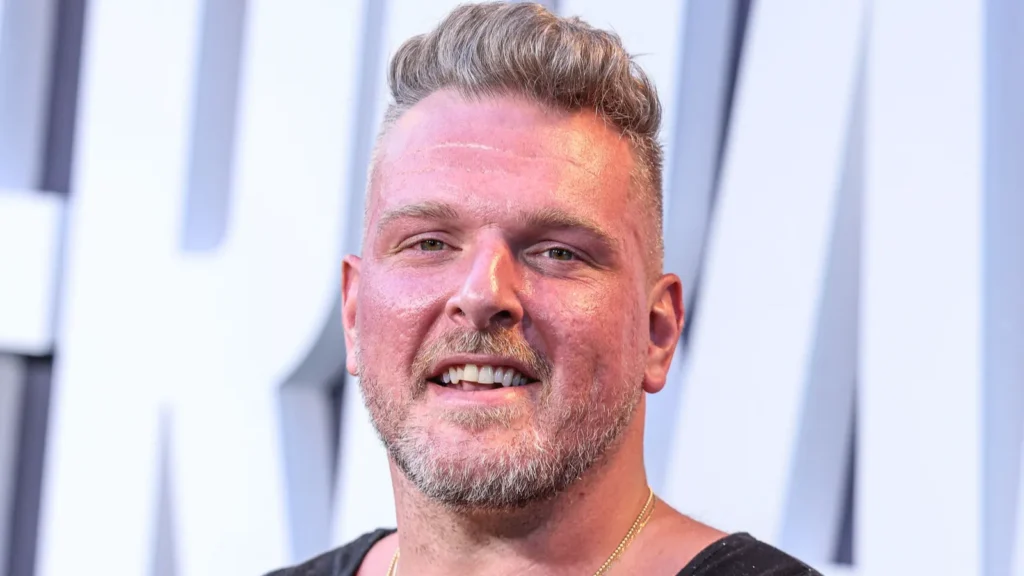
McAfee responded to Brady’s comments on social media, praising the former quarterback for showing his frustration with roughing-the-passer calls. Rather than firing back at Brady, McAfee supported his willingness to challenge decisions that he believed were questionable.
“I really appreciate Tom Brady’s disdain for some of these Roughing the Passer calls,” McAfee wrote. He added that Brady’s roles as an NFL owner and lead commentator meant his words carried considerable weight.
McAfee’s response broadened the discussion beyond one game. Brady’s experience as a quarterback gives him insight into how defenders approach passing plays, while his current broadcasting position allows him to explain those situations to a national audience.
Green Bay’s frustration goes beyond one call
The Packers had several reasons to be unhappy with the officiating during their narrow loss. Green Bay was penalized 8 times for 81 yards, including 2 disputed roughing-the-passer calls and an unnecessary-roughness penalty against defensive tackle Devonte Wyatt.
Packers coach Matt LaFleur discussed the lack of a whistle before the Wyatt penalty but otherwise declined to analyze the officiating in detail. He said the Packers had encountered some difficult calls but needed to “play above it.”
Safety Xavier McKinney was considerably more direct. He criticized the officiating, said the calls had disrupted Green Bay’s drives and momentum, and indicated that he was willing to risk a fine to speak publicly about the issue.
Brady’s Raiders ownership complicates his role
Brady’s comments carry an additional layer of significance because he is a minority owner of the Las Vegas Raiders while working as FOX’s lead NFL game analyst. His dual roles limit what he can say publicly about officiating.
The NFL has previously explained that Brady could face discipline if he were “egregiously critical of officiating” or questioned the integrity of an official or crew. The league did not punish him for earlier comments about an officiating decision in 2024.
That history makes his latest criticism noteworthy, but it does not mean a penalty or fine is inevitable. Whether the remarks cross the league’s threshold depends on how the NFL interprets them under its rules.

Why roughing-the-passer calls remain controversial
Roughing-the-passer rules are designed to protect quarterbacks from dangerous contact, particularly around the head and neck and after the ball has been released. However, defenders must make split-second decisions while moving at full speed.
The rules can create difficult judgment calls when a defender’s momentum carries him into a quarterback just after the throw. Officials must assess the nature, location and timing of the contact rather than simply whether a tackle occurred.
Brady’s reaction resonated because he experienced both sides of the issue during his playing career. His criticism does not prove that every disputed call was incorrect, but it highlights the ongoing debate over how consistently the rules are enforced.
The debate could put the NFL under more scrutiny
The Lions-Packers game added another prominent example to the ongoing conversation about officiating standards. When former players, current athletes and broadcast analysts question important calls, the league faces renewed pressure to explain how its rules are applied.
Brady’s profile makes his commentary particularly influential. As one of football’s most accomplished quarterbacks, he has firsthand knowledge of passing situations, while his position at FOX gives him a platform to discuss decisions with millions of viewers.
For now, McAfee’s reaction is support for Brady’s criticism rather than a dispute between the two personalities. Their comments have amplified questions about roughing-the-passer enforcement, but no rule change or disciplinary action should be assumed without an official announcement.
Fun fact: Tom Brady was the 199th overall pick in the 2000 NFL Draft before becoming a 7-time Super Bowl champion.
TL;DR
- Tom Brady criticized multiple officiating decisions during the Lions’ 20-17 win over the Packers on Oct. 25.
- He strongly disagreed with a late roughing-the-passer penalty against Green Bay’s Karl Brooks.
- FOX rules analyst Dean Blandino also questioned the call.
- Pat McAfee praised Brady’s willingness to speak out instead of arguing against him.
- Brady’s minority ownership of the Raiders means the NFL’s restrictions on criticism of officials remain relevant.
This article was made with AI assistance and human editing.
Read More From This Brand: