The Los Angeles Dodgers entered Game 4 of the 2026 National League Championship Series facing elimination, but manager Dave Roberts declined to make Tarik Skubal or Yoshinobu Yamamoto available out of the bullpen. The decision raised questions about the team’s strategy with its season on the line.
Los Angeles trailed the Milwaukee Brewers 3-0 in the best-of-seven series. With two prominent starters unavailable for relief duty, the plan placed enormous pressure on Tyler Glasnow and the pitchers behind him.
Roberts rules out Skubal and Yamamoto for Game 4
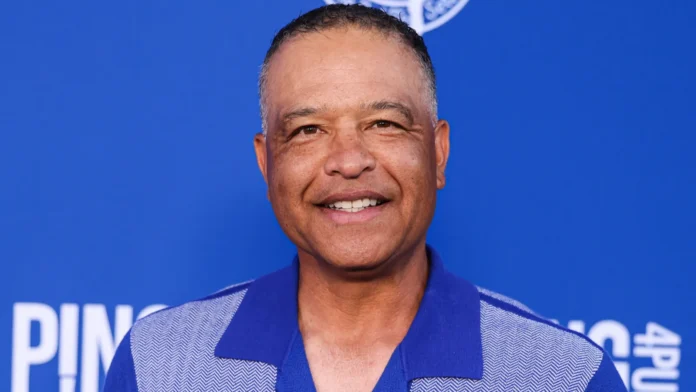
Dave Roberts ruled out using Tarik Skubal or Yoshinobu Yamamoto in relief for the Dodgers’ NLCS elimination game against Milwaukee on October 15. Tyler Glasnow remained the scheduled starter, with the available bullpen behind him.
Roberts said his relievers were rested and capable. He acknowledged that Los Angeles needed to win Game 4 immediately, while also emphasizing that the Dodgers needed 4 consecutive victories to advance.
The decision balanced immediate survival against the pitching demands of a potential comeback. Skubal and Yamamoto remained part of the rotation plan if Los Angeles extended the series.The Dodgers had little room for another mistake
Los Angeles entered the NLCS after winning consecutive World Series titles, creating expectations that the club would remain a serious contender. A 3-0 deficit against Milwaukee suddenly threatened to end that pursuit much earlier than anticipated.
The Dodgers had struggled to generate consistent offense throughout the series. Their pitching decisions therefore carried additional weight because the team could not afford to surrender an early advantage or allow another close game to slip away.
Roberts faced a difficult balancing act. Using Skubal or Yamamoto might have provided additional firepower in a must-win situation, but it also could have complicated the pitching plan if Los Angeles managed to extend the series.
Why Tyler Glasnow received the Game 4 assignment
Glasnow was selected to start the elimination game against Milwaukee, giving Los Angeles a conventional starting-pitcher approach rather than relying on an emergency appearance from another ace. The plan required him to deliver an effective outing and protect the bullpen.
The assignment came with significant pressure. Glasnow needed to help the Dodgers control the early innings, limit scoring opportunities and give the offense time to respond against a Brewers team that had repeatedly found ways to win.
Roberts’ confidence in Glasnow reflected the broader pitching strategy. Rather than reshuffling the rotation at the last moment, Los Angeles chose to trust its designated starter and preserve the roles of Skubal and Yamamoto.
Skubal and Yamamoto had already carried heavy expectations
Skubal entered the postseason as one of baseball’s most prominent starting pitchers. His presence on the Dodgers’ roster made a relief appearance particularly appealing to fans seeking an aggressive response to the team’s elimination threat.
Yamamoto also held an important place in the rotation. His postseason reputation had been strengthened by his performances during the Dodgers’ previous championship run, making his absence from the Game 4 relief plan especially noticeable.
However, neither pitcher’s reputation automatically made him the right option for emergency relief. Pitching roles, recovery time and the possibility of subsequent games all influenced the decision, even as the immediate stakes encouraged calls for an all-hands-on-deck approach.
The manager’s confidence in the bullpen became the central debate
Roberts’ argument rested on the belief that his relievers were sufficiently rested and capable of handling the assignment. That reasoning offered a clear explanation for his choice, but it depended on those pitchers executing under postseason pressure.
In elimination games, managers must weigh immediate survival against the possibility of extending a series. The challenge becomes particularly difficult when a roster includes elite starters who could theoretically provide additional innings but are not part of the announced plan.
Critics could reasonably question whether preserving the rotation mattered more than maximizing the chance of winning Game 4. Supporters of Roberts’ approach, meanwhile, could argue that the Dodgers needed a coherent pitching plan rather than an improvised response to mounting pressure.
Milwaukee had already exposed Los Angeles’ weaknesses
The Brewers entered Game 4 with a 3-0 series lead after winning the first three games. Their success put the Dodgers under pressure to improve their offensive production and manage critical innings more effectively.
Los Angeles had struggled to produce enough runs, and its pitching staff had not consistently delivered the results required to overcome that offensive frustration. The team’s predicament made every managerial decision more visible, particularly when a questionable move could become the defining moment of the season.
Milwaukee, meanwhile, had demonstrated that it could capitalize on mistakes and maintain pressure through its lineup and bullpen. That combination made the Brewers a difficult opponent for a Dodgers team trying to force a fifth game and revive its championship defense.
Game 4 ended the Dodgers’ championship defense
The debate over Roberts’ pitching plan ultimately became part of a larger postseason disappointment. Milwaukee defeated Los Angeles 6-4 in Game 4 on Oct. 15, completing a four-game sweep and securing its first World Series appearance since 1982.
The Dodgers’ elimination did not establish that using Skubal or Yamamoto would have changed the result. Baseball outcomes depend on numerous decisions and performances, and it is impossible to prove that an alternative pitching strategy would have saved the season.
Nevertheless, Roberts’ choice illustrated the scrutiny that follows managers when a heavily favored team falls short. With the season on the line, the decision not to deploy two prominent starters became an obvious point of debate, even though the result involved much more than one pregame call.
A difficult decision with lasting questions
Roberts’ Game 4 plan highlighted the tension between preparing for a potential comeback and responding to an immediate threat of elimination. His confidence in Glasnow and the bullpen was clear, but Milwaukee’s victory ensured that the strategy would be examined alongside the Dodgers’ other postseason shortcomings.
The sweep also gives Los Angeles an offseason opportunity to reassess its performance under pressure. Questions about offensive consistency, pitching deployment and late-inning execution will likely shape discussions about what went wrong during a season that ended short of another World Series appearance.
For Roberts, the central lesson is not necessarily that every available ace should pitch in an elimination game. It is that managerial decisions become especially consequential when a team has no margin for error and the season’s outcome rests on a single night.
Fun fact: Dave Roberts holds UCLA’s school record for career stolen bases, finishing his college baseball career with 109 steals.
TL;DR
- Dave Roberts said Tarik Skubal and Yoshinobu Yamamoto would not be used in relief for Game 4.
- The Dodgers trusted Tyler Glasnow and their available bullpen in the elimination game.
- Los Angeles entered Game 4 trailing Milwaukee 3-0 in the NLCS.
- The Brewers won 6-4 on Oct. 15, completing a four-game sweep.
- The decision fueled debate, but there is no way to know whether using either starter would have changed the outcome.
Read More From This Brand:
- Dave Roberts criticizes Kyle Tucker after Cubs game
- Dave Roberts responds after Cubs manager Craig Counsell criticizes Dodgers
- Dave Roberts gets brutally honest about Shohei Ohtani’s shutout mindset
This article was made with AI assistance and human editing.