A desperate moment for Nike
In the early 1980s, Nike was struggling to maintain its footing in the rapidly evolving basketball market. The company desperately needed a win after its stock price began to languish following a public offering.
Rob Strasser, the director of marketing, believed that individual athletes could become cultural heroes. He wrote a memo in 1983 arguing that single stars would eventually become more powerful symbols than entire sports teams.
The hunt for a superstar
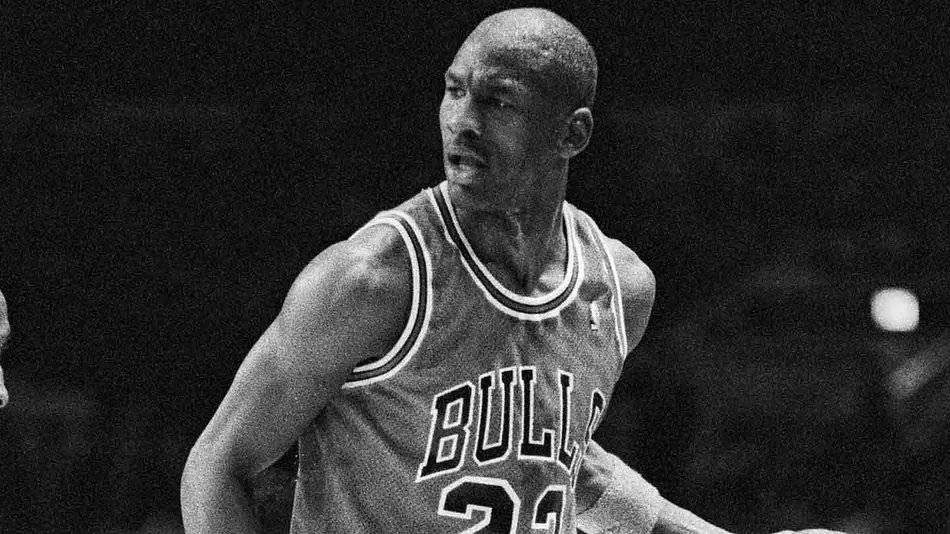
Nike needed a singular figure to represent their brand and turn their fortunes around. They set their sights on Michael Jordan, a standout player from the University of North Carolina who was entering the draft.
At the time, Jordan was not yet the global icon he is today, but Strasser saw immense potential. The company decided to gamble its entire marketing budget on this one unproven rookie from Chicago.
The resistance from Michael Jordan
Securing a meeting with the young star was not an easy task for the Oregon-based company. Jordan was a self-proclaimed ‘Adidas nut’ and had no initial interest in signing a deal with Nike.
He actually preferred the craftsmanship and European style of the three-stripes brand. It took significant effort from his agent, David Falk, to convince him to even listen to what Nike had to offer.
A mother’s pivotal intervention
When Jordan was too exhausted to fly to Portland for the final pitch, his mother stepped in. Deloris Jordan insisted that her son at least hear what the company had to say before deciding.
She famously told him he would attend the meeting, whether he wanted to or not. This parental push became the catalyst for one of the most important meetings in sports history.
The arrival at Murray Two
The secret meeting took place the day after Labor Day at the Nike campus in Beaverton. The Jordan family was greeted by a large banner welcoming them to the Nike family.
The atmosphere was tense as the small group gathered in a building called ‘Murray Two’. Phil Knight, the eccentric CEO of Nike, was notably absent at the start, having decided to pop in later.

An inauspicious beginning
The meeting started awkwardly when Howard White, the only Black executive at Nike, arrived late. This delay added to the uncertainty as the team prepared to present their vision to a skeptical Jordan.
Jordan remained mostly expressionless as the executives began their pitch about his future. The room was filled with nervous energy as they waited for the right moment to reveal their revolutionary new concept.
The birth of Air Jordan
During the presentation, the team unveiled a video that ended with a brand new logo. It featured two unfurled wings bracketed by a basketball, a design created by the talented Peter Moore.
The tagline ‘Air Jordan’ was officially introduced to the world in that small conference room. David Falk is credited with coming up with the name, which perfectly captured the player’s aerial playing style.
Reaction to the devil’s colors
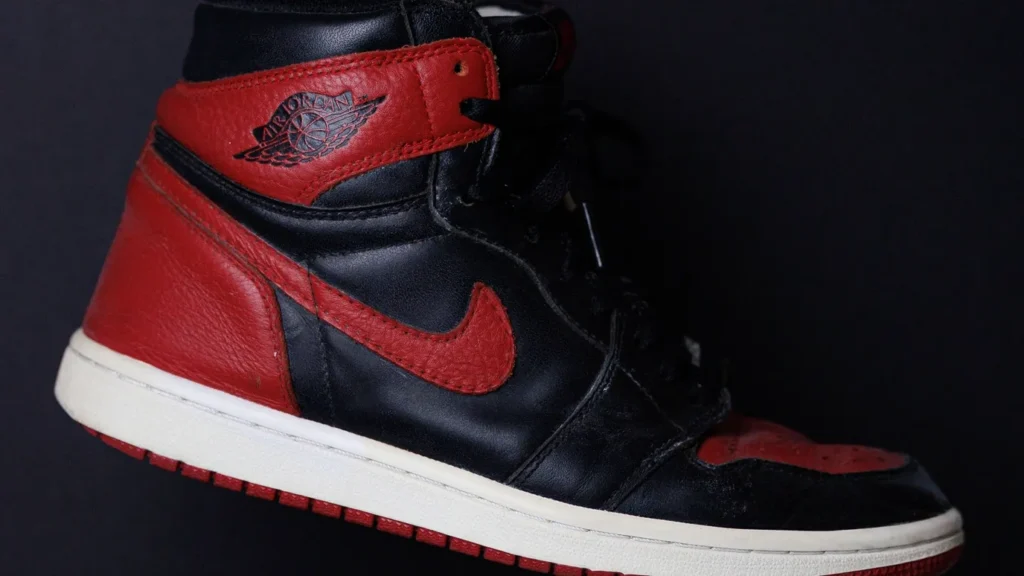
When Peter Moore showed off the prototype shoes in red and black, Jordan was not immediately impressed. He famously muttered that they were the ‘devil’s colors’ because they lacked his favorite Carolina blue.
He was a tough critic who wanted his footwear to reflect his college roots rather than the Chicago Bulls. Despite his initial hesitation, the bold color scheme would soon become a signature of the brand.
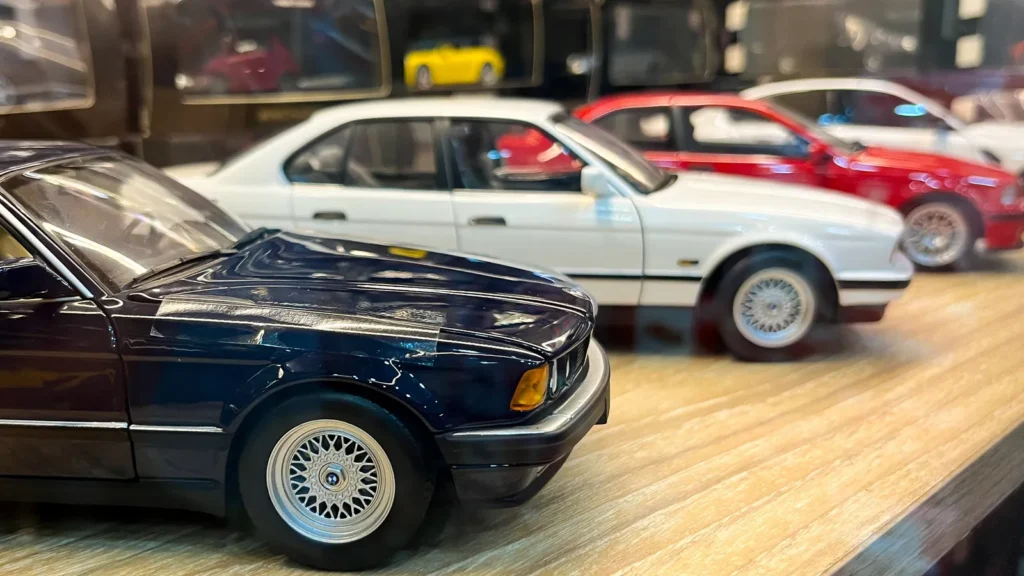
The toy car icebreaker
Rob Strasser noticed the tension in the room and decided to break the ice with a joke. He knew Jordan had a passion for cars and reached into his pocket with a dramatic flair.
He pulled out two plastic toy cars and told Jordan he would have plenty of money for the real thing. This moment of levity finally drew a laugh from the room and softened the atmosphere.
An unprecedented financial offer
Nike offered Jordan a deal worth $2.5 million over 5 years, which was triple any other NBA endorsement. This staggering amount showed the company was willing to bet everything on his individual success.
The package included a signing bonus of $200,000 and a base guarantee that increased annually. They also offered a 0.3% royalty per pair, ensuring Jordan would profit from every single sale made.
Fun fact: Phil Knight originally wanted to rename the company Dimension Six. Luckily, his first employee had a dream about the Greek goddess of victory, and they chose Nike just hours before the shoe boxes went to print.
The promise of a partnership
The key to the meeting was Nike’s promise that this would be a true partnership. Unlike other brands where he would be just another player, Nike wanted to build a brand around him.
They asked for his input and made it clear that ‘Air Jordan’ would be his own signature line. This level of creative control and personal branding was entirely new in the world of sports.
Challenging the status quo
During the meeting, James Jordan challenged the Nike team to provide truly new and creative ideas. He wanted to ensure his son was joining a company that would push the boundaries of marketing.
This demand for innovation pushed Strasser and Moore to think beyond traditional shoe sales. They envisioned a world where Michael Jordan was the product, not just a man wearing a pair of sneakers.
While many superstars obsess over their legacy, Nikola Jokic famously treats individual awards like a minor footnote. Explore the hilarious reason the Nuggets star isn’t sweating a fourth MVP and dive into his refreshingly unique perspective on greatness.
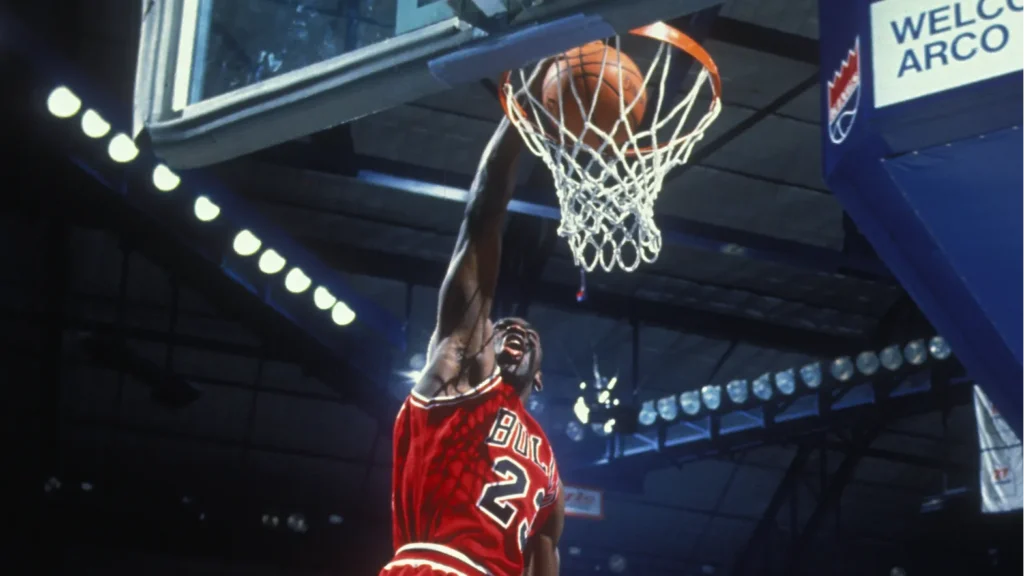
The legacy begins
By the end of the meeting, the foundation for a multi-billion-dollar empire had been laid. Although Jordan still wanted to check with Adidas one last time, the Nike pitch had successfully piqued his interest.
Adidas failed to match the offer, leading Jordan to officially sign with the team from Beaverton. That single secret meeting changed the landscape of sports, fashion, and business forever as a result.
Charles Barkley isn’t exactly handing out participation trophies for the 2026 All-Star Game. Curious about what Barkley had to say about the weekend? You can explore our full breakdown of the biggest hits and misses.
Do you believe Nike’s massive $2.5 million gamble on an unproven rookie was the greatest business move in sports history? Share your thoughts on the meeting that changed the sneaker world in the comments below!
This slideshow was made with AI assistance and human editing.
Read More From This Brand: