FIFA is pushing back against reports that Gianni Infantino sought help from U.S. President Donald Trump, but the denial has done little to quiet broader questions surrounding the FIFA president’s leadership. The governing body has labeled the claim “fiction” while continuing to defend Infantino amid intense criticism of governance and decision-making.
The latest developments come after weeks of controversy following the 2026 FIFA World Cup and have kept the spotlight firmly on FIFA’s leadership.
FIFA denies Infantino sought Trump’s backing
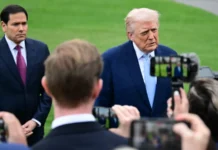
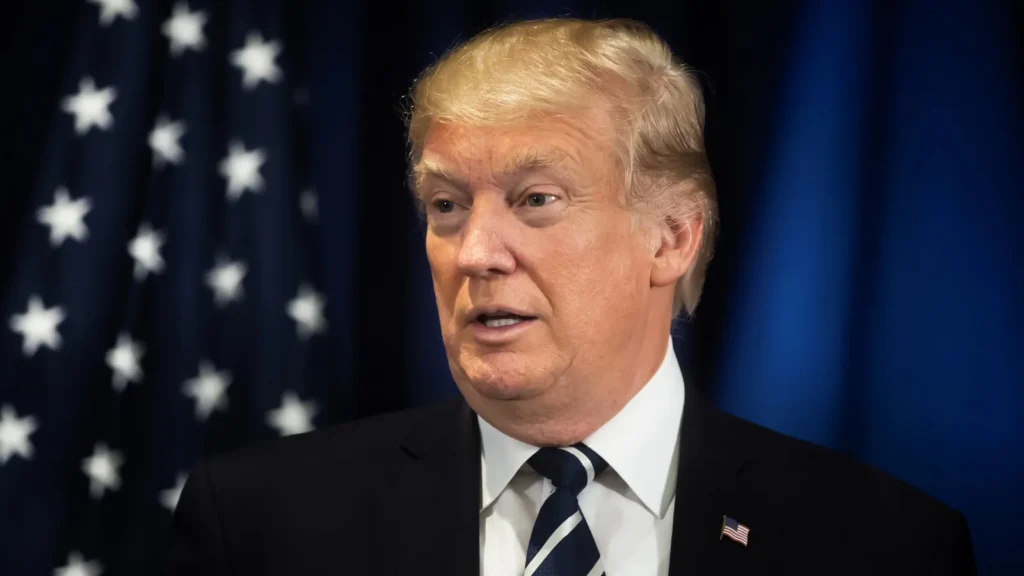
Gianni Infantino came under fresh scrutiny after a report alleged that he repeatedly tried to reach U.S. President Donald Trump after FIFA abandoned its controversial commercial investment proposal. The report said Infantino was seeking political support as criticism of his leadership intensified.
FIFA rejected the allegation. In a statement reported by Reuters, the governing body said: “The FIFA President has not made any call to the U.S. President, or any members of his administration, in recent days. It is pure fiction.”
Trump and Infantino have a well-documented public relationship that predates the 2026 World Cup and was highly visible throughout the tournament.
Why the denial has not ended the controversy
FIFA’s denial arrived during one of the most serious governance challenges of Infantino’s presidency. UEFA, CONCACAF and several national associations criticized the lack of consultation surrounding the FIFA Forward Enterprise proposal.
FFE would have created a FIFA-owned and controlled subsidiary consolidating commercial rights and event operations. FIFA proposed raising up to $4.2 billion by selling minority, non-controlling interests to outside investors while retaining control of the entity.
Fun fact: FIFA has 211 member associations representing countries and territories, compared with 193 United Nations member states.
Internal messages exposed tensions inside FIFA
FIFA Secretary-General Mattias Grafström sent an internal message to staff after the FIFA Forward Enterprise proposal collapsed. He described the previous week as a “sad and reproachable series of events” and urged employees to remain focused on FIFA’s institutional responsibilities.
A separate FIFA communication followed the August 5 crisis meeting in Morocco. FIFA said it had acknowledged the mistakes, apologized to its Council and 211 member associations, and said the process should have been handled differently.
Despite the internal criticism, Grafström and other senior management officials attending the meeting in Morocco reaffirmed their full support for Infantino’s presidency.
The World Cup raised Infantino’s public profile
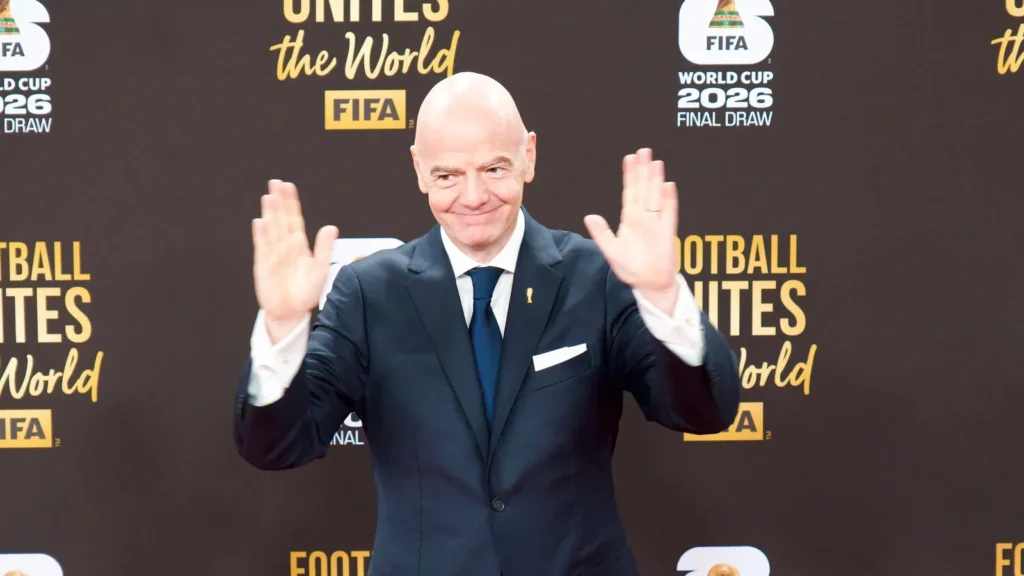
Infantino maintained a highly visible presence throughout the 2026 FIFA World Cup and appeared with political leaders, including Donald Trump, during major tournament events.
After the competition ended, Infantino published a lengthy statement defending the tournament. He criticized people he accused of spreading “hate and false rumors” and argued that they had overlooked the celebrations, unity, and experiences of supporters across Canada, Mexico, and the United States.
Those remarks came as Infantino was already facing separate scrutiny over FIFA governance, political relationships, and decision-making.
Fun fact: The 2026 FIFA World Cup was the first men’s edition jointly hosted by 3 countries: Canada, Mexico, and the United States.
FIFA members are already choosing sides
FIFA’s 211 member associations will ultimately play a central role in Infantino’s political future because they vote in FIFA presidential elections.
The challenge to his leadership is no longer hypothetical. Norway’s football federation formally called for Infantino to resign on August 7, while several European associations have withdrawn support for his re-election. UEFA has also maintained its threat to boycott FIFA competitions.
Infantino still retains significant backing. CAF unanimously supported him, while Mexico, Argentina, and several other national associations have publicly defended his leadership. No clear rival candidate has yet emerged for the March 2027 FIFA presidential election.
Governance questions now extend beyond one controversy
The dispute surrounding Infantino is increasingly focused on how FIFA makes major decisions. European Leagues, UEFA, CONCACAF, and several national associations have criticized consultation, transparency, and decision-making surrounding the abandoned FFE proposal.
FIFA’s senior management has reaffirmed support for Infantino and says the organization will improve its processes. External pressure remains significant, however, with Norway calling for his resignation and UEFA maintaining its confrontation with FIFA.
Fun fact: Gianni Infantino became FIFA president in 2016 after serving as UEFA’s general secretary, transitioning from European football administration to leading the global governing body.
What comes next for FIFA
For now, FIFA has taken a clear position on the latest report by categorically denying that Infantino contacted President Trump. That response closes one specific claim but does not erase the wider discussion surrounding the organization’s recent decisions.
The governing body has pledged to review its internal processes following criticism over governance, while maintaining full support for its president. Whether those promised changes satisfy member associations and football stakeholders remains to be seen, but FIFA’s leadership will likely continue facing close scrutiny in the months ahead.
As global football moves beyond the 2026 World Cup, attention is shifting from what happened on the field to how the sport’s most influential organization manages its future. FIFA’s denial may have answered one question, but the broader debate over leadership, transparency, and governance is clearly far from over.
TL;DR
- FIFA denied reports that Gianni Infantino contacted President Donald Trump, calling the claims “pure fiction.”
- The denial came amid growing scrutiny of FIFA’s leadership and governance.
- An internal email acknowledged mistakes in handling a controversial commercial proposal while reaffirming support for Infantino.
- Recent criticism has focused on transparency and decision-making rather than tournament results.
- FIFA says it will review its governance processes as attention remains on its leadership.
If you liked this story, don’t forget to follow us for more exclusive content.
This article was made with AI assistance and human editing.
If you liked this, you might also like: