Football rarely sees this kind of unity. Four of Europe’s most powerful leagues just stood together against FIFA, demanding real change in how the sport’s governing body operates and answers for its decisions.
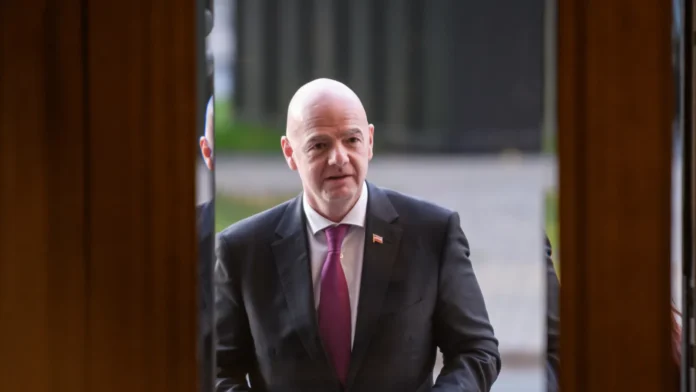
The pressure comes after a controversial World Cup investment plan collapsed under criticism. It marks one of the biggest tests yet of Gianni Infantino’s leadership at world football’s most powerful organization.
Europe’s top leagues unite against FIFA
Four of Europe’s biggest football leagues broke their usual public silence on 25 September. The Premier League, LALIGA, Lega Calcio Serie A and the Bundesliga released a rare joint statement aimed directly at FIFA leadership.
The leagues said football had suffered “one of the biggest abuses of power in FIFA’s history.” Their blunt words landed hard, coming from some of the sport’s richest and most influential domestic competitions.
This kind of unity is rare. These four leagues usually compete fiercely for talent, television deals and global attention. Standing together against FIFA sends a clear signal about how serious this governance fight has become.
The collapsed World Cup investment plan
The trouble began when FIFA president Gianni Infantino unveiled a bold new plan called FIFA Forward Enterprise. It would have sold minority stakes in World Cup operations to outside private investors for the first time.
FIFA valued the proposed company at roughly $20 billion and hoped to quickly raise several billion more from carefully selected backers. Investors reportedly included a firm with close ties to the influential Kushner family.
Backlash arrived almost instantly from across the entire football world. Critics argued the governing body should never treat the World Cup like a tradable financial asset. Within weeks, FIFA quietly shelved the entire controversial plan.
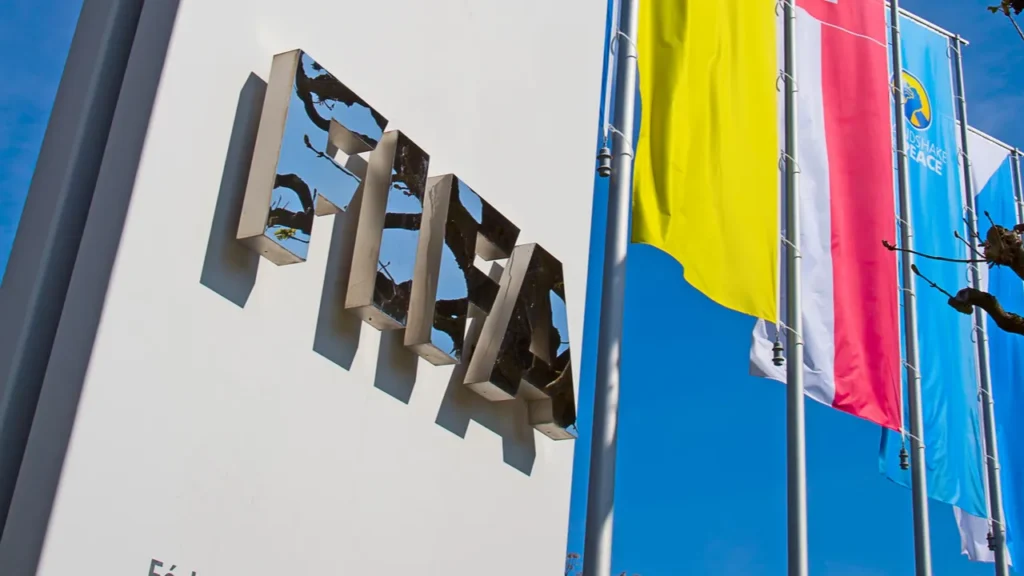
Why UEFA led the early backlash
UEFA, European football’s powerful governing body, fired the first major public shots at Infantino’s plan. It said the private investment scheme raised serious transparency concerns and questioned who would benefit financially from the deal.
Officials insisted the soul and governance of football should not be treated as assets to trade. That blunt language helped set the tone for weeks of growing tension between FIFA and Europe’s football establishment.
UEFA later joined forces with CONCACAF and the Asian Football Confederation to widen the pressure further. Together they issued a sharp joint letter warning that leadership in football should never be treated as personal property.
FIFA’s history of recent controversies
This scandal did not emerge from nowhere. FIFA has faced repeated criticism over recent decisions, including disciplinary rulings that frustrated players, coaches, and national federations during the men’s World Cup.
One notable flashpoint involved Folarin Balogun, the U.S. forward whose automatic 1-match suspension after a red card was suspended by FIFA. FIFA later stressed that the red card itself had not been overturned.
Critics argued the decision raised concerns about political influence and inconsistent disciplinary standards. FIFA said its disciplinary process was independent, but the episode added to wider scrutiny of the organization’s governance.
Little-known fact: FIFA created a new “Peace Prize” in late 2025, with the inaugural award scheduled for the World Cup draw on 5 December 2025. Infantino did not reveal the recipient beforehand, and Trump was later presented with the first FIFA Peace Prize at the draw.
What the joint statement demands
The four leagues demanded far more than a simple public apology from FIFA. Their statement called for fundamental governance reform, insisting FIFA’s president should never hold unchecked regulatory, commercial, and political power all at once.
They asked for future FIFA decisions to rest on clearly defined reasoning, solid supporting evidence, and genuine independent assessment. Crucially, they want all that information published openly before any major decision ever gets formally adopted.
The leagues also called for disciplinary matters to remain completely insulated from any political interference. That specific demand echoes long-standing concerns about fairness and consistency within FIFA’s internal enforcement system.
Infantino’s path to another term
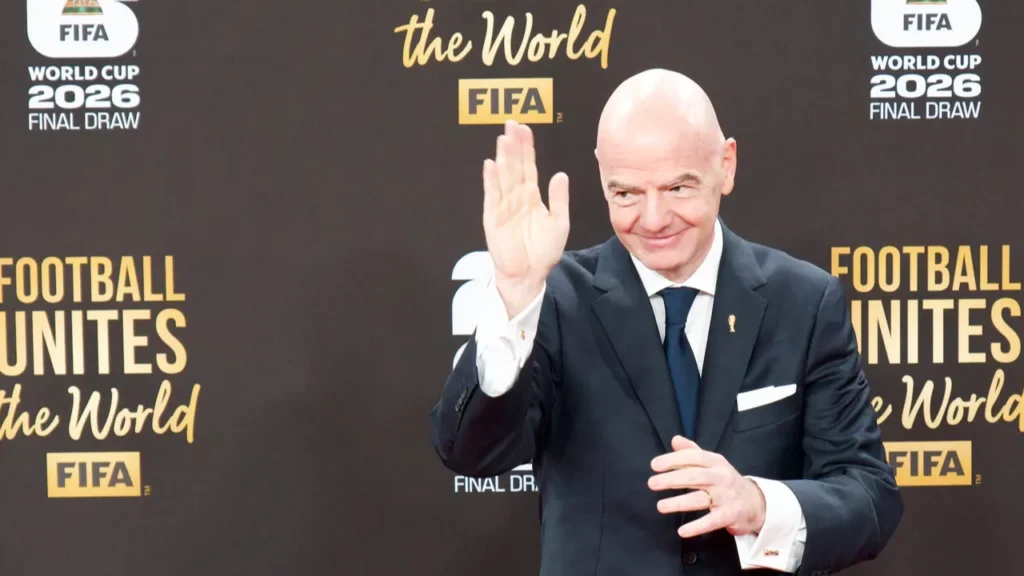
Despite the widespread uproar, Infantino shows no sign of stepping aside from power. FIFA has confirmed he intends to seek another term as president in 2027.
For now, Infantino remains the only publicly declared candidate for the March 2027 presidential race. Candidates wishing to challenge him must submit nominations by 18 November 2026.
The four leagues stopped short of directly demanding his resignation. Instead, they urged all FIFA presidential candidates to publish reform programs and support a governance convention within the first 100 days of the next mandate.
Global football bodies also raise concerns
Pressure on FIFA now comes from multiple directions simultaneously across the entire sport. Domestic leagues, continental confederations and players’ unions have all publicly voiced concerns about transparency and accountability inside football’s global governing body itself.
FIFPro, the global players’ union, has previously joined calls for far greater consultation before major decisions get made public. Clubs and competition organizers increasingly feel completely excluded from choices that quietly reshape their entire sport.
This growing coalition genuinely matters for FIFA’s leadership going forward into next year. When leagues, confederations, and unions all align publicly like this, it becomes much harder to dismiss criticism as one lone disgruntled voice.
What happens next for FIFA
So what actually happens next for football’s governing body? Candidates wishing to challenge Infantino must formally enter the race before the official deadline, giving reform-minded federations only limited time to organize serious alternative campaigns.
Much depends on whether other leagues, clubs, or confederations choose to escalate pressure even further. A united global front could still force genuine structural change, while a fragmented response is likely to favor the current status quo.
Whatever unfolds next, this moment already marks a genuine turning point for the sport. Rarely have Europe’s dominant football leagues spoken with one truly unified voice against the very organization meant to govern them.
TL;DR
- The Premier League, La Liga, Serie A, and the Bundesliga issued a rare joint statement demanding governance reforms at FIFA.
- The statement followed the collapse of FIFA’s plan to sell stakes in the World Cup to private investors, including Kushner-linked backers.
- UEFA, CONCACAF, and the Asian Football Confederation had already criticized Infantino in a separate joint letter.
- The leagues want future FIFA decisions to be backed by published evidence and disciplinary matters to be shielded from political influence.
Read More From This Brand:
- Lamine Yamal reveals the unexpected bond behind Barcelona’s flying start
- Bruno Fernandes’ form raises concerns after Manchester United’s poor start
- Kylian Mbappé’s latest Cristiano Ronaldo admission changes their career comparison
This article was made with AI assistance and human editing.