
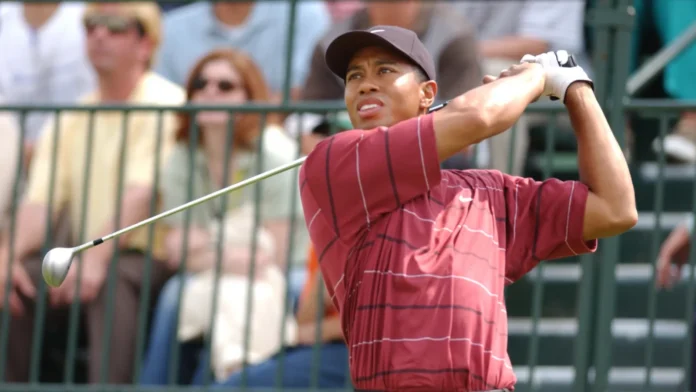
The game of golf is often defined by the steady hand and the calm mind, but history’s greatest moments usually involve a golfer rising from the ashes of a double-digit deficit.
While some sports rely on a ticking clock to create drama, golf relies on the slow, agonizing pressure of the back nine on Sunday. Over the decades, we have witnessed legendary players overcome impossible odds to hoist a trophy they had no business winning based on the Saturday leaderboard.
These stories of resilience serve as a reminder that a tournament is never truly over until the final putt drops into the cup. Whether it is a collapse by the leader or a historic charge by the underdog, these rounds live on in sporting lore.
Let’s take a closer look.
How did Paul Lawrie pull off the greatest final-round comeback?
The 1999 Open Championship at Carnoustie remains one of golf’s most dramatic turnarounds after Paul Lawrie erased a 10-shot deficit in the final round. Lawrie began Sunday 10 behind and shot a 67 to post 6 over par, a score that ultimately got him into a playoff.
As Lawrie climbed, the leader, Jean van de Velde, famously suffered a catastrophic meltdown on the 72nd hole. The Frenchman’s triple-bogey forced a three-way playoff that Lawrie eventually won to claim the Claret Jug. It remains the largest final-round comeback in the history of major championship golf.

Why is Jack Nicklaus’s 1986 Masters victory considered so iconic?
At age 46, Jack Nicklaus proved that age is just a number by charging from behind to secure his sixth Green Jacket in 1986. Heading into the final round, the “Golden Bear” trailed Greg Norman by four strokes and seemed to be well past his competitive prime. The atmosphere at Augusta National shifted dramatically when Nicklaus began a historic back-nine charge that included an eagle at the 15th.
He shot a 30 on the back nine, punctuated by a birdie on 17 that sent the gallery into a frenzy. Nicklaus finished with a 65, safe in the clubhouse while the younger leaders faltered under the immense pressure of his presence. This victory solidified his legacy as the greatest to ever play the game and remains a favorite memory for American sports fans.
Fun Fact: During his historic 1986 Masters charge, Jack Nicklaus used a specialized oversized putter head that many critics initially mocked for its unusual appearance.
Can anyone forget Tiger Woods’s remarkable 2019 return to glory?
The 2019 Masters served as a cinematic conclusion to one of the greatest career comebacks in the history of professional sports. Tiger Woods had spent years sidelined by multiple back surgeries and personal hurdles, leading many analysts to believe he would never win another major. He entered the final round two strokes behind Francesco Molinari but remained patient while others found the water at the par-three 12th.
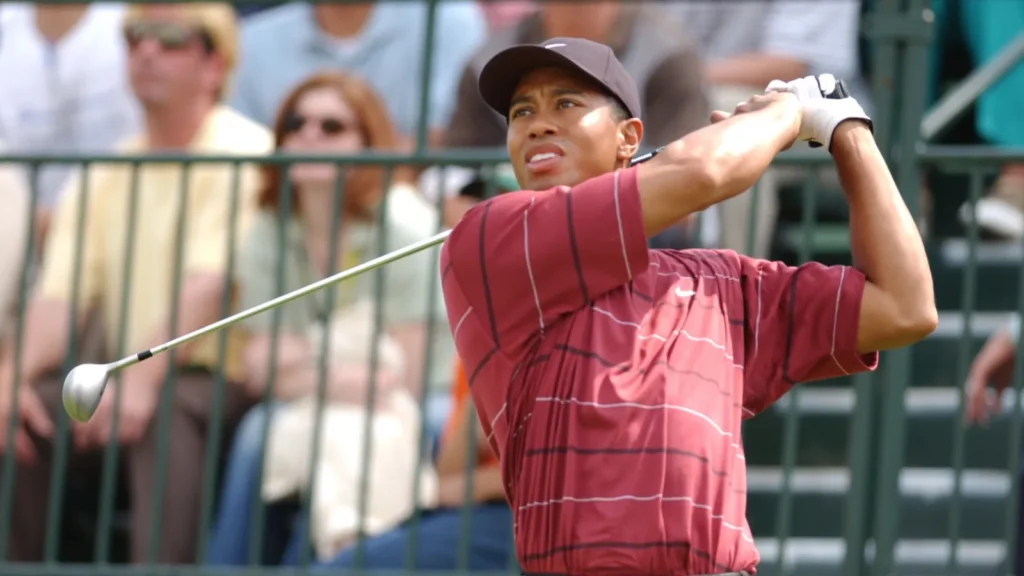
Woods took control of the tournament with clinical precision, navigating the back nine with the veteran savvy that defined his early career. When he tapped in for bogey on the 18th to secure the win, the sports world erupted in a collective celebration of his resilience. It was his first major win in 11 years and perhaps the most emotional victory of his storied career.
Fun Fact: Tiger Woods won the 1997 Masters by a record 12 strokes, but he actually opened the tournament with a 40 on his first nine holes.
What made Arnold Palmer’s 1960 U.S. Open win a turning point for golf?
Arnold Palmer changed the trajectory of televised golf when he overcame a seven-shot deficit to win the 1960 U.S. Open at Cherry Hills. Palmer was famously told by a journalist before his round that he had no chance of winning, which reportedly fueled his aggressive play. He began his Sunday by driving the green on the par-four first hole, setting the stage for a legendary round of 65.
His aggressive “go for broke” style resonated with a burgeoning television audience and helped turn golf into a mainstream American sport. By the time he reached the clubhouse, he had leapfrogged a young Jack Nicklaus and a fading Ben Hogan. This win solidified the already established “Arnie’s Army” phenomenon and proved that no lead was safe when Palmer was in the hunt.
How did Brooke Henderson make history at the 2016 KPMG Women’s PGA?
Brooke Henderson showcased remarkable grit at the 2016 KPMG Women’s PGA Championship, starting the final round one shot behind Lydia Ko before erasing a three-shot deficit on the back nine. At 18, Henderson closed with a bogey-free 65 to force a sudden-death playoff against the world No. 1.
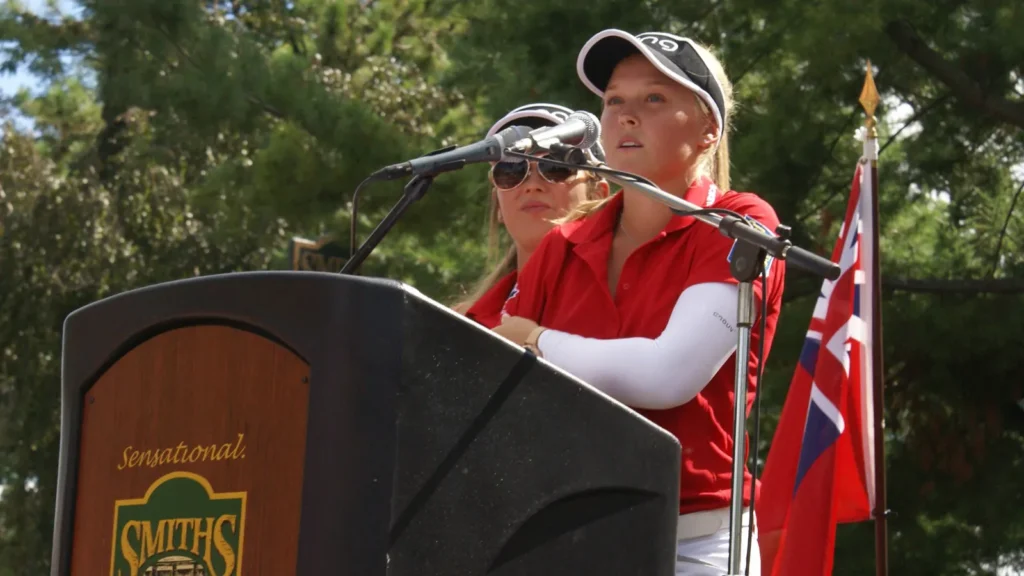
Henderson won the playoff on the first hole with a spectacular approach shot that left her with a short birdie putt. This victory made her the youngest winner in the tournament’s history and signaled a changing of the guard in women’s golf. Her ability to chase down a dominant leader on a major stage remains a highlight of the modern LPGA era.
Fun Fact: Before focusing entirely on golf, Henderson was a highly talented hockey goaltender who often credits her time on the ice for her “ice-cold” nerves on the putting green.
Why does the 1996 Masters remain a cautionary tale for leaders?
Nick Faldo’s victory at the 1996 Masters is remembered alongside Greg Norman’s six-shot collapse, but Faldo also played a major role with a closing 67. Norman’s lead was down to two by the turn, and Faldo eventually won by five strokes after an 11-shot swing over the final round.
Faldo eventually won by five strokes, representing an eleven-shot swing over the course of a single afternoon. While it was a heartbreaking day for Norman, it highlighted Faldo’s legendary mental toughness in the heat of competition. This event remains the ultimate example of why golfers must remain focused until the very last hole.
TL;DR
- Paul Lawrie holds the record for the largest final-round comeback in major history, overcoming 10 strokes.
- Jack Nicklaus won his sixth Masters at age 46, using a back-nine 30 to stun the field in 1986.
- Tiger Woods completed a decade-long journey back to the top by winning the 2019 Masters.
- Arnold Palmer’s 1960 U.S. Open charge helped popularize golf for a modern American audience.
- The 1996 Masters saw an eleven-shot swing between Nick Faldo and Greg Norman in just 18 holes.
This article was made with AI assistance and human editing.
If you liked this, you might also like: