
The birth of a cultural icon in 1984
In 1984, Nike was primarily known for its running gear rather than its basketball dominance. The company took a massive gamble by signing a rookie named Michael Jordan to an unprecedented $2.5 million deal.
This partnership aimed to rescue Nike from struggling against larger competitors like Converse and Adidas. Little did they know that this single athlete would help build a footwear empire that redefined modern global fashion.
A name that defied the limits of gravity
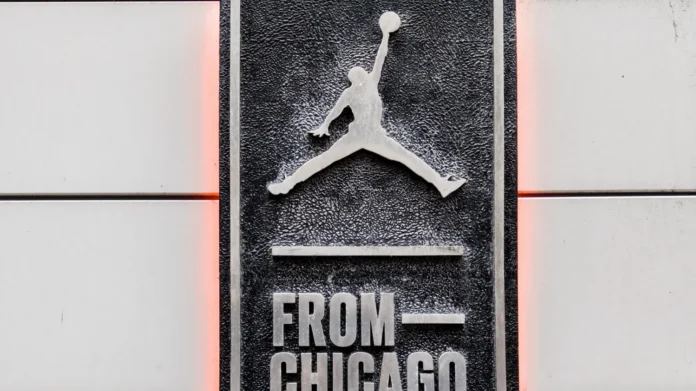
Michael’s agent wanted to name the line after the player; the executives settled on Air Jordan to highlight both the brand’s new air technology and Michael’s athleticism.
The name perfectly captured his ability to soar above opponents on the court. This branding move ensured that the product felt more like a piece of high-tech equipment than just another basic athletic shoe.
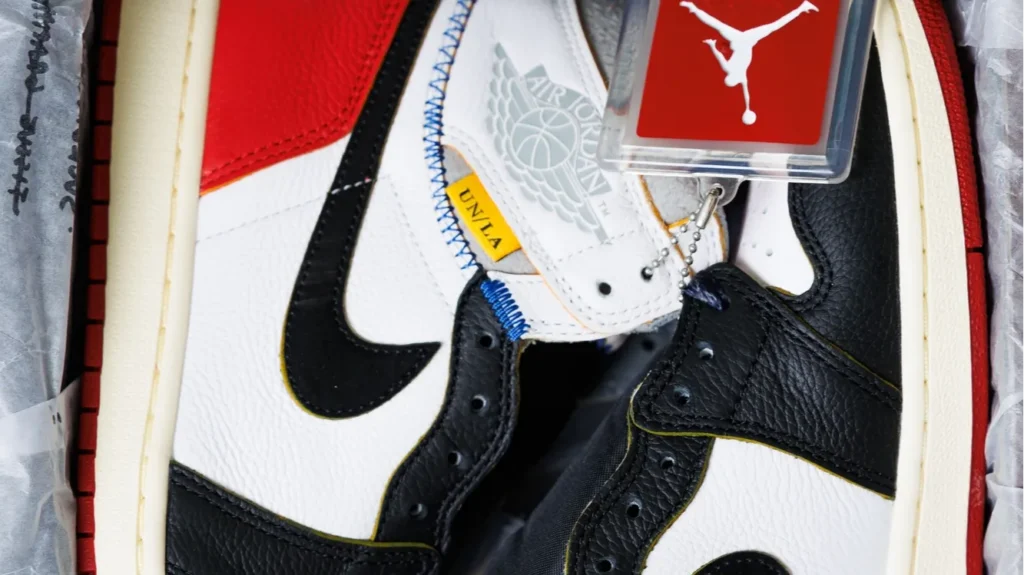
The forbidden colors that sparked a revolution
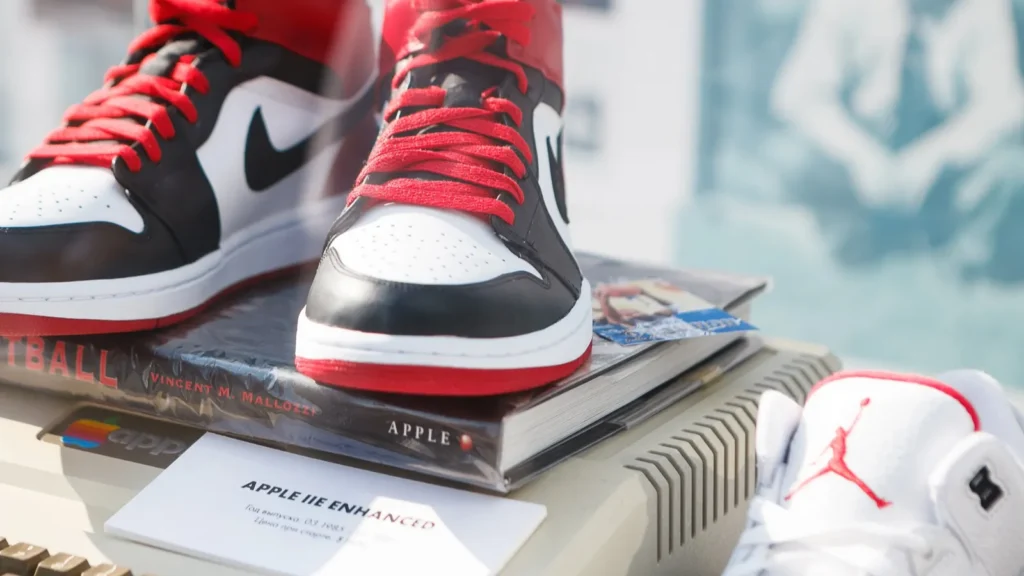
When the original black and red sneakers debuted, they broke the strict uniformity rules of the NBA. League officials demanded that shoes be at least 51 percent white to match the rest of the team.
Rather than backing down, Nike decided to embrace the controversy as a unique marketing opportunity. This rebellious spirit quickly became the core identity of the brand, attracting fans who wanted to stand out.

Paying the price for legendary defiance
The league reportedly began fining Jordan $5,000 for every game he played while wearing the illegal colors. Nike executives encouraged him to keep wearing them and happily covered the costs of these expensive penalties.
They viewed the fines as a small price to pay for the massive amount of free publicity generated. This tactic turned a simple dress code violation into one of the greatest marketing stunts in history.
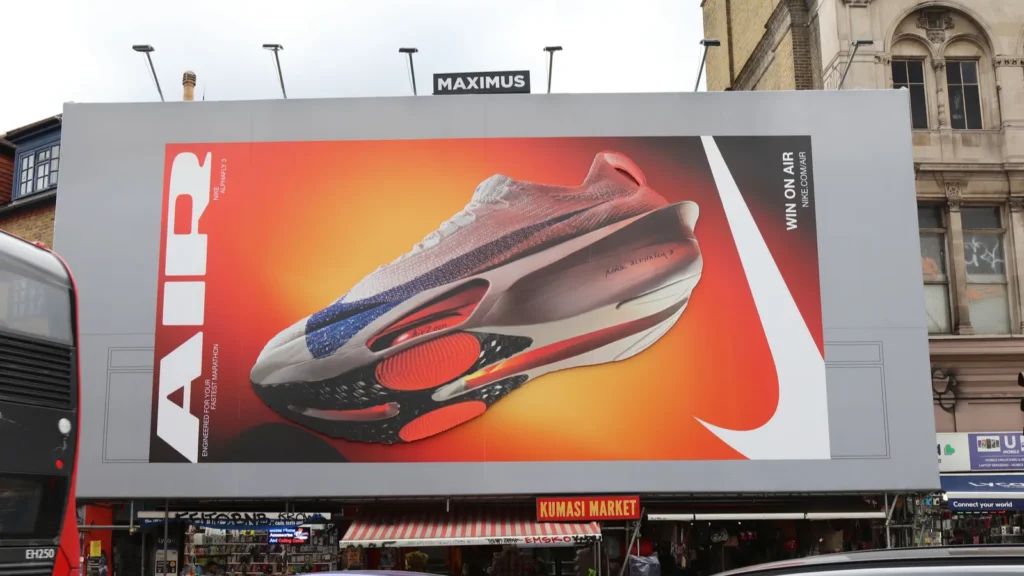
The commercial that convinced the world
Nike launched a famous television advertisement that explicitly told consumers the NBA had thrown the shoes out of the game. The narrator boldly stated that the league could not stop fans from wearing them.
This narrative of being banned made the sneakers an instant symbol of personal freedom and cool rebellion. People rushed to stores to buy the very item that the establishment had tried to suppress.

Exploding past all financial expectations
Nike originally hoped to earn $3 million in sales during the first three years of the partnership. The reality was much more shocking as the brand generated $126 million in revenue in just 1 year.
The demand was so high that 50,000 pairs sold out almost as soon as they hit the shelves. This massive success proved that an individual athlete could drive commerce on a scale never seen before.
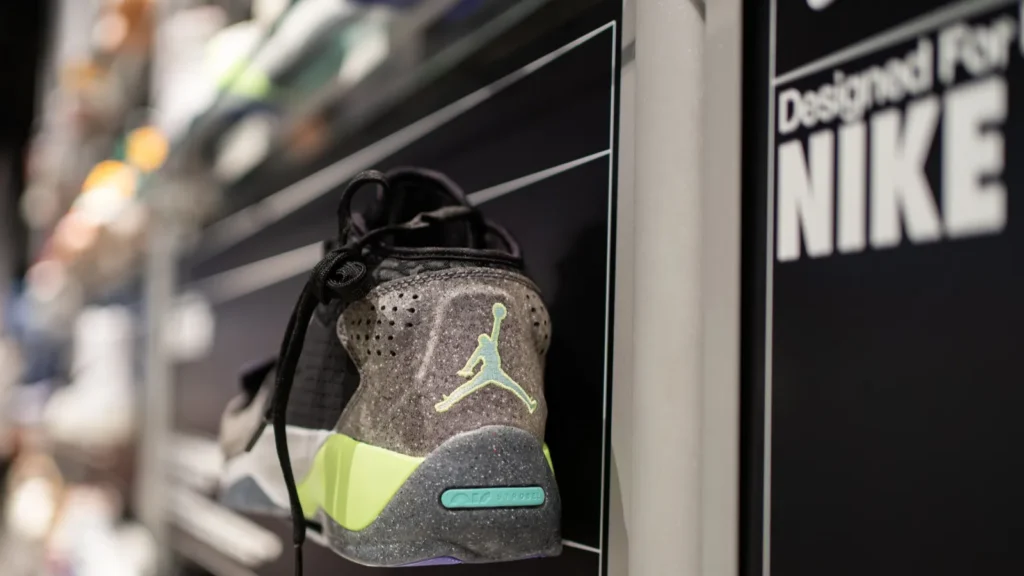
Transcending the hardwood of the basketball court
As Michael Jordan dominated the league, his sneakers moved beyond the gym and into the streets. They were no longer just for athletes; they became a legitimate fashion statement for youth subcultures everywhere.
The design was so striking that people began wearing them with casual outfits and even formal wear. This crossover helped the brand survive even when Michael was not actively playing on the professional court.
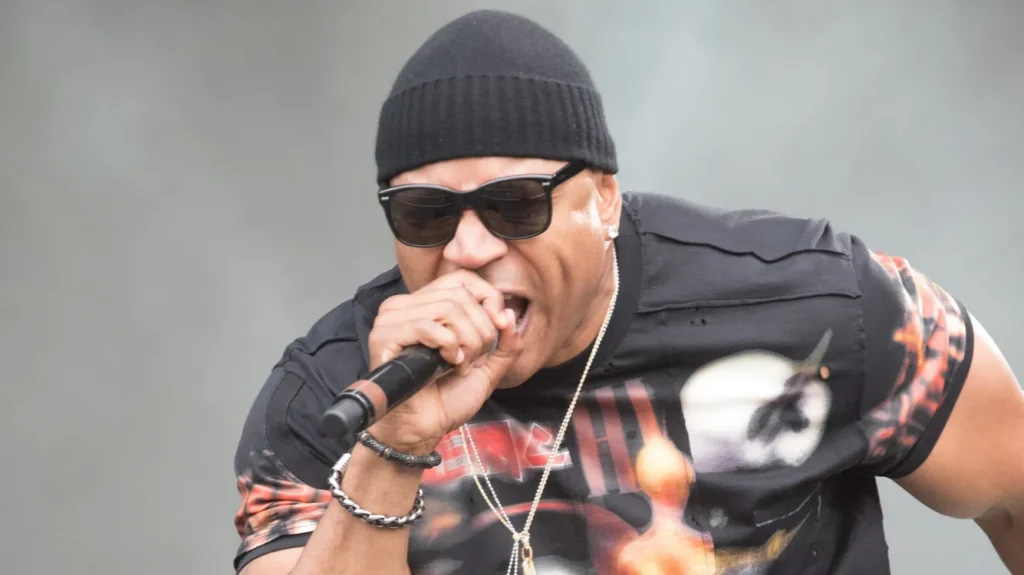
Hip hop and the rise of street credibility
In the late 80s and early 90s, major hip hop artists began wearing Jordans in their music videos and public appearances. This association with music and urban culture gave the sneakers a new life.
The shoes became a staple of the visual language used by influential rappers to express success and style. This connection solidified the brand as a permanent fixture in the growing world of streetwear.
The creation of a standalone subsidiary
By 1997, the Jordan line had become so large that Nike decided to spin it off into its own brand. This move allowed the Jordan Brand to operate with its own specific creative identity.
This subsidiary started signing its own roster of athletes across different sports like football and baseball. It transitioned from being a single signature shoe into a comprehensive lifestyle and performance clothing powerhouse.

Launching the modern era of sneakerheads
The release of the Air Jordan 1 essentially birthed the concept of sneaker culture as we know it today. Collecting, trading, and reselling limited editions became a serious hobby for millions of dedicated fans.
The brand began re-releasing original designs as retros, which sparked a cycle of constant hype and demand. These events turned shoes into a valuable currency that often increased in price over time.
Fun fact: Phil Knight actually started Nike by selling shoes out of the trunk of his green Plymouth Valiant at track meets. He wasn’t some corporate giant; he was just a guy with a side hustle.
Collaborating with the world of high fashion
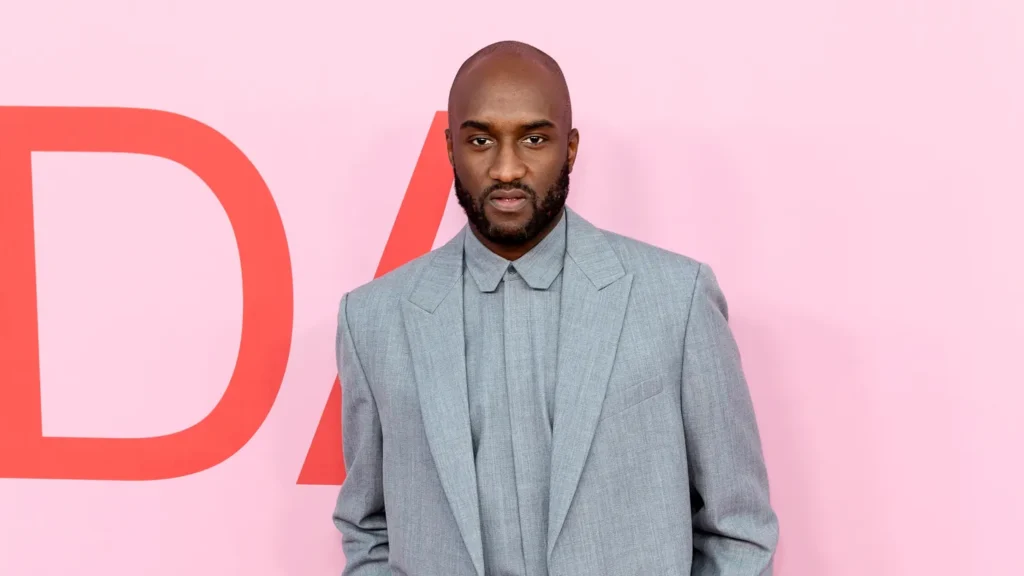
The brand eventually bridged the gap between the streets and luxury runways through high-profile collaborations. Working with designers like Virgil Abloh and luxury houses like Dior changed the perception of athletic footwear.
These limited-edition releases often sold for thousands of dollars on the secondary market. Such partnerships proved that a basketball shoe could be viewed with the same prestige as a designer leather handbag.

Reaching the billion dollar milestone
In recent years, the Jordan Brand has reached staggering financial heights, earning over $5 billion in annual revenue. It has become a dominant force that represents a huge portion of Nike’s total business.
Michael Jordan himself continues to earn hundreds of millions in royalties every year from this enduring legacy. His brand now has a near monopoly on the global basketball business and continues to grow.
This vocal stance shows why Kevin Durant remains one of the most polarizing figures in sports media today. While his talent is undeniable, his relationship with fans continues to spark debate. Explore the specific instances that triggered his latest critique.
A digital frontier for the next generation
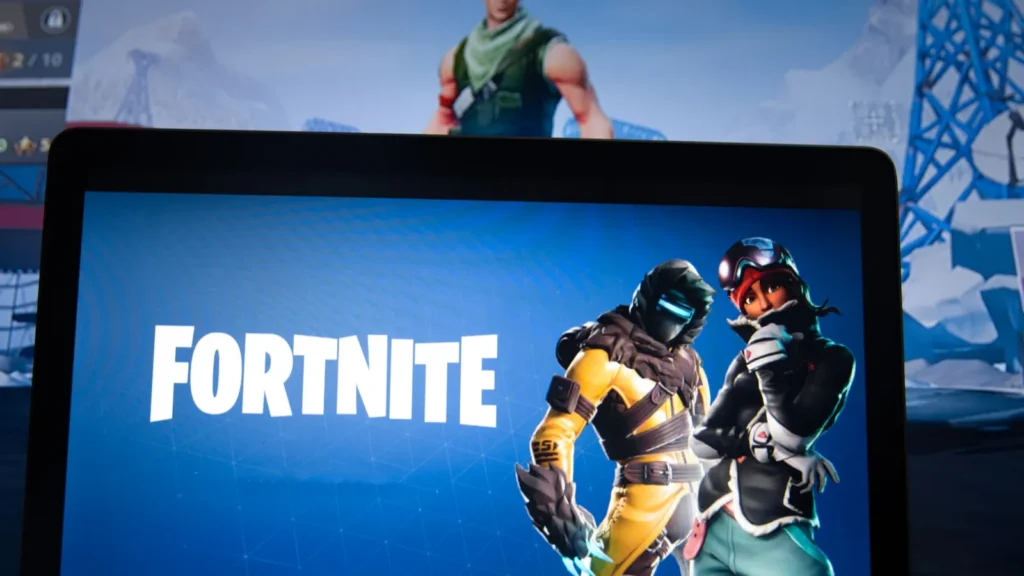
The empire is now expanding into virtual spaces through collaborations with popular video games like ‘Fortnite’. Players can equip their digital avatars with iconic sneakers, bringing streetwear culture into the metaverse.
This strategy ensures that the brand stays relevant to younger audiences who might never have seen Michael play. The legacy of a simple shoe continues to evolve into an infinite digital world.
Maintaining this momentum is essential for LeBron James and the Los Angeles Lakers to climb into a top-four seed. While their recent winning streak is impressive, their consistency remains a mystery. Dive into our latest analysis of how these rotations might evolve down the stretch.
Do you remember the first pair of Jordans that made you fall in love with sneaker culture? Share your favorite silhouette and the story behind how you got them in the comments below!
This slideshow was made with AI assistance and human editing.
Read More From This Brand: