
Baseball is not just a sport in America; it is a cultural cornerstone. Often called America’s pastime, the game has shaped far more than stadium cheers and childhood games. It has deeply influenced everyday speech, business communication, pop culture, and even politics.
This article explores how baseball has influenced American language and slang, where these expressions came from, how they spread across society, and answers some of the most common questions about this linguistic phenomenon.
The Origins of Baseball Language
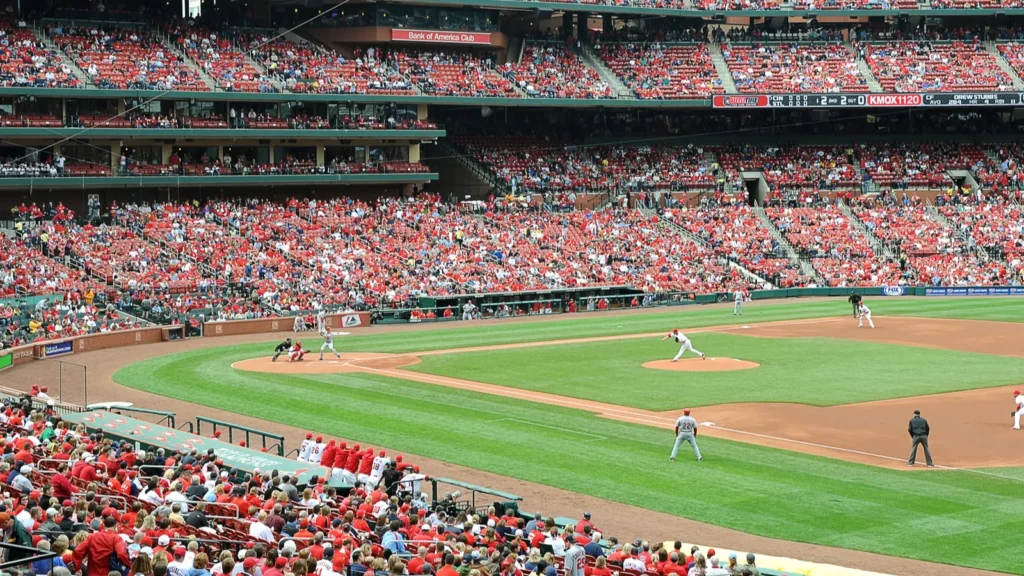
Baseball’s organized form began to take shape in the mid-19th century, when clubs and standardized rules first appeared in the United States. As the sport grew in popularity, so did its language. Players, announcers, and fans created a unique vocabulary filled with vivid terms like hit, run, strike, out, and base.
Because the game became a shared experience across the country, its expressions quickly moved beyond the field and into daily life.
Why Baseball Terms Entered Everyday Speech
One reason baseball language was so easy to adopt is that its terms describe clear, vivid actions that can easily be used as metaphors. Phrases from the sport often describe success, failure, surprise, or readiness, experiences that everyone understands. Another factor was exposure.
In the early 20th century, baseball dominated newspapers, radio, and later television. Millions of Americans heard these terms regularly, which made them part of everyday vocabulary.
Examples of Early Expressions
For example, “three strikes” originally referred to a batter having three chances before being out. Over time, it came to mean that someone has limited opportunities before failure. The phrase “home run” literally means hitting the ball far enough to score by running all the bases, but it later became a symbol of great success.
These expressions spread because they were easy to picture and relate to real-life situations. The origins of baseball slang lie in two key factors: the sport’s widespread appeal and the vivid imagery of its language.
How Baseball Slang Entered Everyday Speech
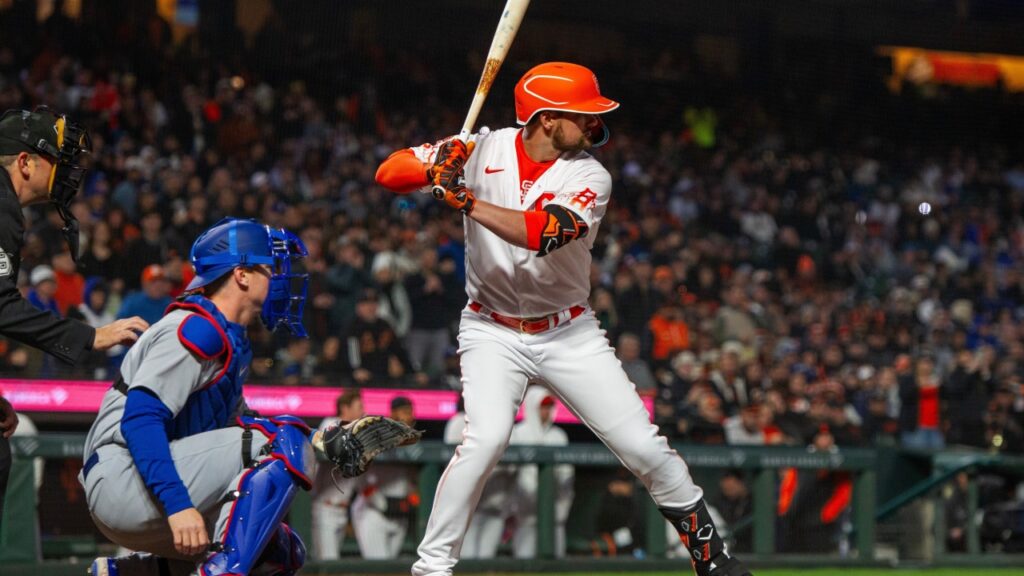
Once baseball expressions started being used metaphorically, they spread rapidly into business, politics, entertainment, and ordinary conversation.
Spread into Business, Work, and Politics
The language of baseball fits perfectly into the competitive, goal-driven nature of work and politics. Saying someone is “playing hardball” means they are being tough or unyielding, just like in the serious version of the sport compared to casual softball.
“Cover all your bases” means preparing for every possible outcome, a concept taken directly from the defensive strategy of baseball. Expressions like “down to our last out” convey that time or opportunity is running short, mirroring the final moments of a close game.
Because baseball has long been part of American culture, these phrases feel natural even to people who have never played the game.
Popular Everyday Phrases Borrowed from Baseball

Here are some of the most common baseball-inspired phrases that have become part of everyday speech:
- Hit a home run – To do something extremely well or achieve major success.
- Throw a curveball – To surprise someone with something unexpected.
- Strike out – To fail despite effort.
- Ballpark figure / In the ballpark – A rough or approximate estimate.
- Touch base – To briefly check in or reconnect.
- Out of left field – Something unexpected or surprising. The exact origin of this phrase is debated, but it likely refers to an unexpected event or comment that feels unrelated.
- On deck – Being next in line or next to act.
These expressions have become so common that most people use them without thinking about their baseball origins.
Why These Phrases Took Hold
Several factors explain why baseball phrases became so deeply rooted in American speech:
- Memorable Imagery: Baseball scenes are easy to picture, a batter at the plate, a fast pitch, or a runner sliding home.
- Mass Media Influence: Baseball dominated early American media through radio and newspapers, ensuring wide exposure to its vocabulary.
- Flexible Meanings: The phrases work in many settings, such as work (“ballpark estimate”), school (“strike out on the test”), or daily life (“we’ll touch base later”).
- Shared Cultural Understanding: Because the sport was universally known, even non-fans understood the imagery and context.
As a result, baseball not only contributed words but also a new way for Americans to describe life’s successes, risks, and surprises.
Cultural and Social Impact of Baseball-Derived Language
Baseball’s influence goes far beyond giving English new idioms. It reflects American values, influences education and media, and continues to connect generations through shared expressions.
Reflecting American Values and Identity
Baseball is often seen as a mirror of American ideals, fairness, opportunity, teamwork, and perseverance. Phrases from the game carry these values. When someone says “step up to the plate,” they mean taking responsibility or accepting a challenge.
Similarly, “three strikes and you’re out” serves as a reminder that chances are limited and effort counts. Because these phrases are tied to baseball, they also carry cultural weight, symbolizing responsibility and determination, qualities long associated with American identity.
Influence on Media, Entertainment, and Education
Baseball language is everywhere in American media. Movie trailers, political debates, and advertising often use expressions like “we hit it out of the park” or “they’re on deck next.” Teachers sometimes use baseball idioms in classrooms to explain vocabulary or discuss cultural heritage. These metaphors are short, vivid, and versatile, making them effective tools for storytelling and communication.
From Sports Talk to Everyday Language
Many baseball phrases have traveled far from the diamond. Business leaders talk about “covering all bases,” project managers promise to “touch base,” and news analysts mention “playing hardball.”
In politics, the term “inside baseball” now refers to complex insider knowledge, though it originally described a small-ball playing strategy focused on tactics rather than power. The spread of these phrases shows how sports vocabulary can evolve into a shared cultural language.
Even people who have never followed baseball still use these expressions because they have become part of the broader American mindset. The movement of these terms from stadiums to offices and homes demonstrates how language adapts and how cultural symbols endure.
Frequently Asked Questions
Is every baseball-related phrase truly from baseball?
Not always. Some phrases may have multiple possible origins, but many, such as “strike out,” “home run,” “ballpark figure,” and “touch base,” clearly trace back to baseball. Their meanings expanded over time, but their roots in the sport are well documented.
How far back does baseball’s influence on language go?
Baseball began influencing American speech in the late 19th century and became more widespread in the early 20th century as the sport gained national attention through newspapers and radio.
Why do these baseball phrases still matter today, even though not everyone watches baseball?
Once phrases become part of everyday language, people keep using them even if they do not know their original meaning. The imagery of baseball, effort, luck, and achievement, still fits modern life, keeping the expressions alive.
Are there baseball idioms used mainly in business or politics but not in sports talk?
Yes. Terms like “inside baseball” and “play hardball” are now used mostly in non-sporting contexts such as negotiation or policy discussions. Their figurative meanings have become more common than their literal ones.
Can these idioms be confusing for people learning English?
Yes. Baseball idioms can be challenging because their literal meanings make little sense without knowing the sport. For instance, “we’ll touch base later” might confuse English learners who do not realize it originally refers to touching bases in baseball. Teaching the history behind these idioms can help learners understand them better.
Conclusion
- Baseball has shaped not only American sports culture but also the English language itself.
- Its vivid terms and simple imagery have created powerful metaphors for success, failure, and perseverance.
- Expressions like “hit a home run,” “ballpark figure,” “strike out,” “on deck,” and “touch base” are now everyday language.
- These phrases reflect shared values such as readiness, preparation, and opportunity.
- Even as baseball’s popularity changes, its influence on speech remains deeply rooted in American culture.
- The legacy of baseball lives on in the way Americans communicate, showing that language, like the game itself, continues to evolve while holding on to its timeless spirit.
Read More
- NFL Players Who Overcame Career-Threatening Injuries To Make A Comeback
- How Jackie Robinson Changed American Sports Forever
- Greatest Super Bowl Moments That Shaped Football History
This article was made with AI assistance and human editing.