
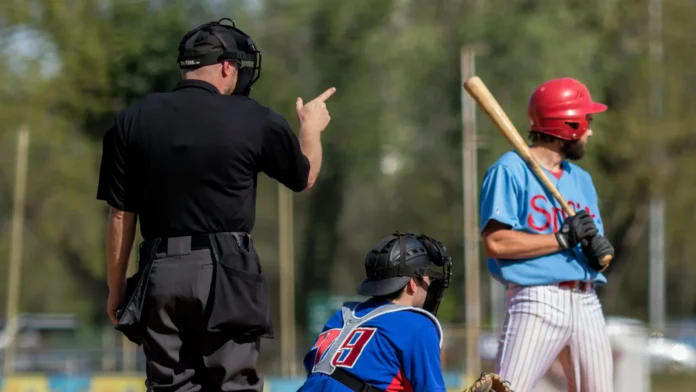
The invisible force behind home plate shapes every pitch thrown in MLB.
Baseball fans obsess over home runs and strikeouts. Yet the most powerful force shaping every game sits behind home plate, making split-second calls. MLB umpires influence outcomes through their unique perception of the strike zone.
Their judgments transform the physics of pitching and hitting in measurable ways. These perceptual differences create invisible playing fields that shift game to game. Understanding how umpire perception works reveals baseball’s hidden complexity.
Let’s explore the science behind these crucial calls.
The Millisecond Challenge Behind Every Pitch
Umpires face one of sports’ most demanding perceptual tasks with almost no time to make a decision.
A fastball traveling at 95 miles per hour reaches home plate in 425 to 450 milliseconds. The ball crosses the plate itself in just 10 milliseconds total. Umpires must track the ball’s path and judge its location within this tiny window. This requires intense visual focus and years of deliberate practice to master.
The human nervous system imposes physical limits on reaction speed during these moments. Umpires develop strategic eye gaze patterns and complex coordination between perception and judgment. Professional umpires make over 5000 judgments per season throughout careers spanning decades.
Current Accuracy Rates Show Steady Improvement
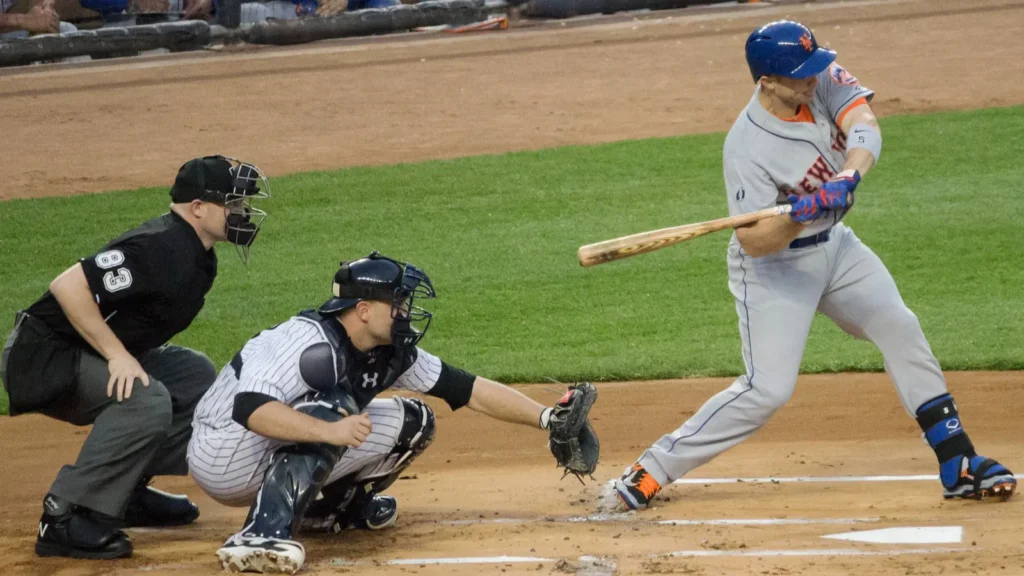
Modern umpires have achieved accuracy levels that seemed impossible two decades ago.
MLB umpires now make correct calls 92.6% of the time during regular-season games, according to recent analysis. This represents a dramatic improvement from the low 90th percentile accuracy of earlier years. Pitch tracking technology, introduced in 2008, enabled the precise measurement of umpire performance. Year-over-year data shows umpires getting better at identifying both balls and strikes.
The improvement comes from enhanced monitoring and feedback systems implemented by MLB. Umpires receive detailed performance evaluations using advanced tracking technology after every game. Despite these gains, umpires still miss approximately 14 calls per game on average. These errors happen most frequently on pitches near the zone’s edges or borders.
The Strike Zone Exists in Three Dimensions
Understanding the zone requires thinking beyond the flat rectangle shown on television.
The rulebook defines the strike zone as the space between the shoulders and knees. Any part of the ball crossing any part of the plate counts technically. This creates a three-dimensional volume rather than a two-dimensional plane. The zone must account for where the ball passes through space entirely.
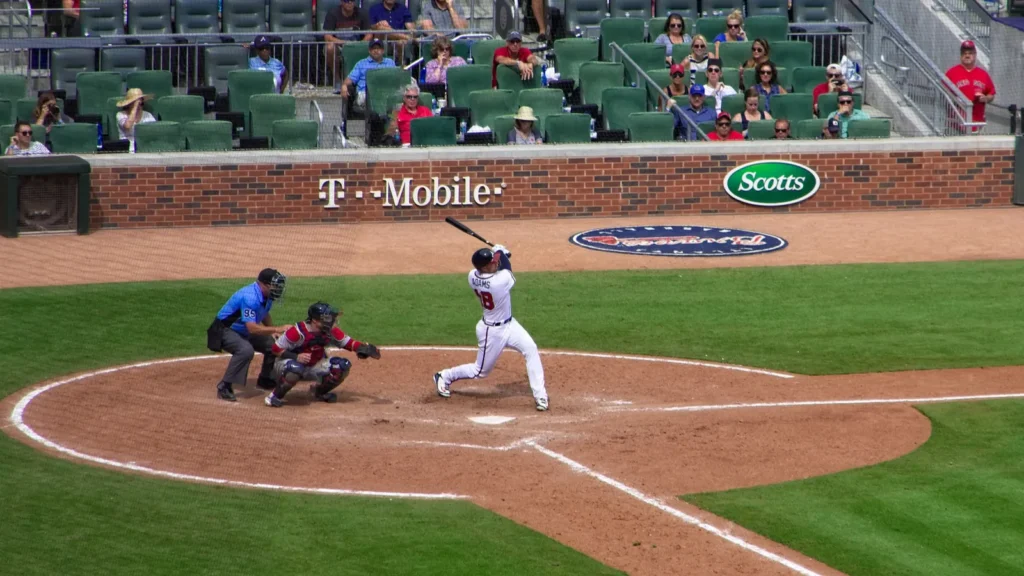
Television graphics show simplified boxes that mislead viewers about zone complexity and shape. The actual called zone resembles an oval more than the rectangular box displayed. Umpires position themselves to track pitches from behind the catcher at angles. Their physical stance affects how they perceive pitch location through visual perspective shifts.
Two Strike Counts Create Systematic Umpire Bias
Game situations dramatically alter how umpires perceive identical pitch locations.
Umpires were twice as likely to call true balls strikes with two strike counts. This error occurred 29% of the time compared to 15 percent with lower counts. The bias gives pitchers a significant advantage when ahead in counts. Almost one-third of batters called out looking had legitimate complaints.
This behavior reflects impact aversion, where umpires prefer letting players decide outcomes themselves. They unconsciously widen zones when batters lead and shrink zones when pitchers lead. The pattern extends at bats longer than they would otherwise go naturally. Experts identify this as compassion and inequality aversion affecting judgment under pressure.
Younger Umpires Demonstrate Superior Performance
Age and experience create surprising patterns in umpire accuracy across baseball.
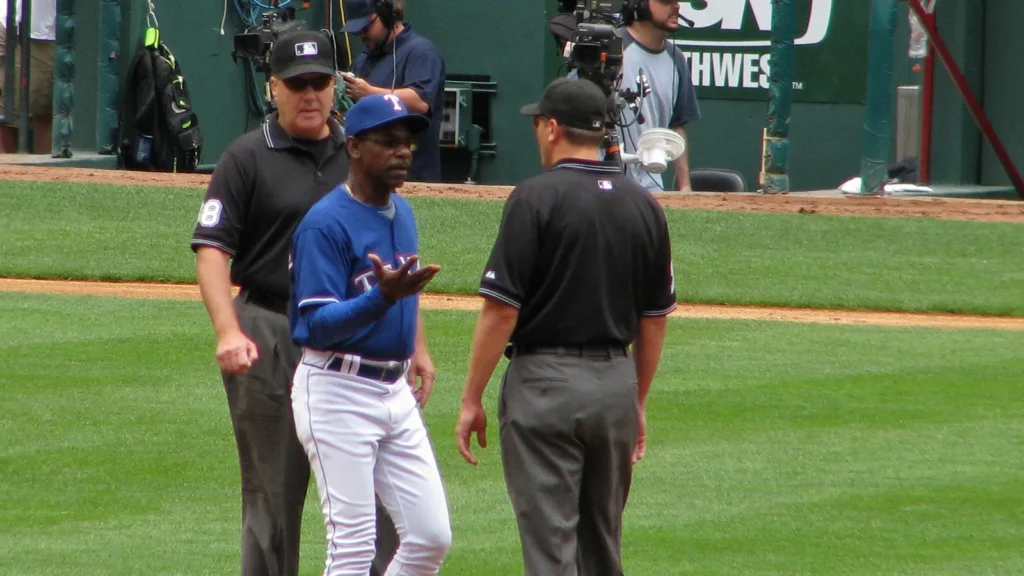
The 4 million pitches found that younger umpires call balls and strikes more accurately. Top performing umpires averaged 33 years old with 2.7 years of MLB experience. None of the highest performers had more than five years of experience total. Younger umpires also improve their skills at faster rates than veteran officials.
The explanation relates to visual reflexes and tracking ability declining with age naturally. Modern pitches reach unprecedented velocities that challenge even experienced umpires’ perception. Younger officials adapt more quickly to evolving pitch speeds and movement patterns. The decision task becomes increasingly routinized over time, reducing perceptual flexibility in veterans.
Star Pitchers Receive Measurably Larger Strike Zones
Status bias creates advantages for high-reputation players that persist despite technology.
Umpires expand the strike zone for star pitchers compared to lower-status players. The Matthew Effect demonstrates how high-status individuals receive more favorable recognition. For each additional win above replacement, pitchers gain a 3 percent higher likelihood of strikes. Each additional year of age also increases strike call probability by 2 percent.
This bias appears strongest when pitches land near the zone’s uncertain edges. When uncertainty exists, reputation shapes judgment more than when location seems obvious. Greg Maddux benefited from his reputation for accuracy, while Randy Johnson faced tighter zones. Batters with more physical and social contact with umpires see shrinking zones.
Perception Limits Create Blind Spots in the Zone
Certain locations prove consistently difficult for umpires regardless of experience level.
Pitches at the top of the strike zone were called incorrectly 26.99 percent. This blind spot appears in both right and left portions equally. Bottom right zone errors still occurred 18.25 percent of the time recently. These persistent trouble areas penalize certain pitchers more than others systematically.
The blind spots relate to visual tracking challenges from the umpire’s position and angle. High pitches require different eye movements and depth perception than low ones. Batters benefit when strike zones shrink at the top, forcing pitchers lower. The variability creates inconsistency that affects the strategy for both pitchers and hitters.
TL;DR
- Umpires make split-second judgments in 425 to 450 milliseconds on fastballs.
- Modern accuracy rates reach 92.6%, but still average 14 missed calls per game.
- Younger umpires with less experience demonstrate superior performance and faster improvement.
- Star pitchers receive measurably wider strike zones due to status bias effects.
- Two strike counts cause umpires to call true balls strikes 29% of the time.
- The top of the strike zone creates persistent blind spot with 27% error rate.a
Read More:
- How Minor League Life Shapes MLB Stars
- The Importance of Clubhouse Leaders in MLB Success
- MLB’s iconic home runs that became legendary
This article was made with AI assistance and human editing.