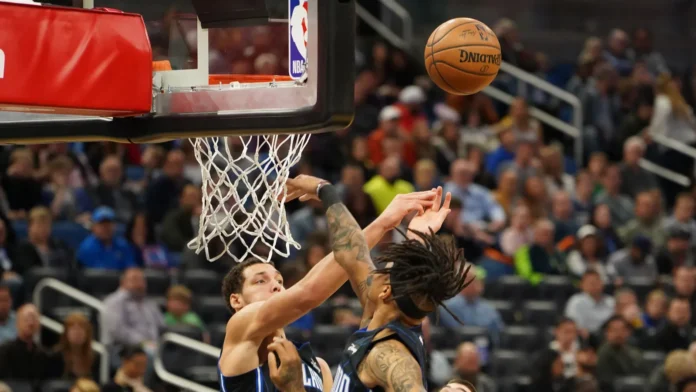
Modern defenses hunt for weaknesses rather than just reacting to offensive attacks.
The modern NBA has flipped the script on traditional basketball thinking. For decades, offenses controlled the pace and created advantages while defenses scrambled to contain them. Today’s elite defenses refuse to play catch-up. They actively hunt weaknesses, force uncomfortable decisions, and manipulate offensive flow before attacks even develop.
These tactical innovations have turned defense into an aggressive art form. Teams now deploy sophisticated schemes that target specific players, exploit tendencies, and manufacture chaos in ways previous generations never imagined.
Let’s explore how defenses hunt mismatches in the modern game.
The Switching Revolution Transformed Everything
Switching defenses became the NBA’s most essential defensive tactic over the past decade.
Teams discovered that activating pick-and-rolls keeps defenses compact and prevents scrambling rotations. In the 2014 season, only two teams ran over 1,000 switches. By 2022, 25 teams crossed that threshold, with three exceeding 2,000 switches. The tactic evolved from an occasional strategy to a fundamental requirement.
The beauty of switching lies in its simplicity and effectiveness. Defenses avoid dangerous help rotations that create open three-pointers. They force offenses into isolation basketball, which produces lower efficiency than movement-based attacks. This subtle trap lures teams toward seemingly advantageous matchups that actually harm their offensive flow.
Teams Now Hunt Offensive Weak Links Relentlessly
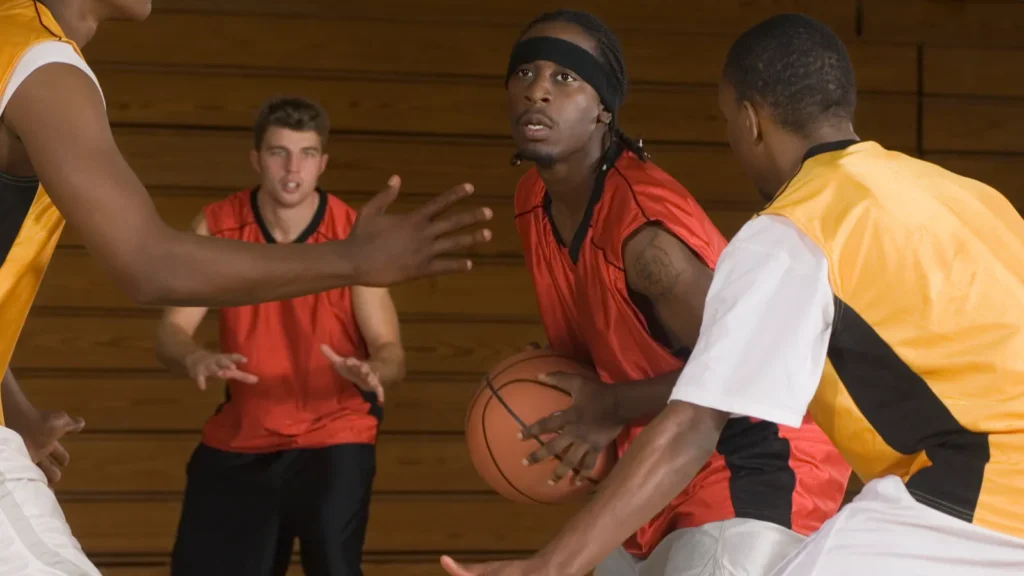
Defenses actively target the worst offensive player and force them into uncomfortable situations.
Modern defenses identify the opposition’s weakest shooter and dare them to beat you. Coaches willingly place their best rim protector on non-shooting perimeter players, keeping bigs near the basket while giving weak links acres of space. This tactical shift rarely existed before 2010 but has become standard practice across the league today.
The strategy creates psychological pressure and disrupts offensive rhythm simultaneously. When defenses ignore certain players, those players often force bad shots trying to prove themselves. This defensive baiting tactic manipulates human nature and offensive schemes equally.
The 2024 Finals Showcased Modern Mismatch Hunting Perfectly
Boston’s relentless targeting of Luka Doncic’s defense became the blueprint for championship-level strategy.
The Celtics attacked Doncic on every possession, forcing him to expend defensive energy. Boston scored 23 points on nine of 17 shooting when Doncic defended in Game 1. Jaylen Brown defended Doncic for 154 possessions throughout the series, holding Dallas to an 84.8 offensive rating during those matchups.
The Celtics possessed no defensive weak links with Holiday and White protecting the backcourt. Dallas couldn’t hunt for favorable matchups the way they dominated Minnesota by targeting Rudy Gobert. This defensive depth allowed Boston to play aggressively without compromising their structure.
Baiting and Scramble Defense Create Proactive Pressure
Defenses use tactics like baiting, scramble defense, and chase defense to force offensive mistakes.
Teams no longer aim to stop offenses completely but push them into slightly worse shots. Defenses manipulate spacing and force guards into uncomfortable midrange attempts. Milwaukee used drop coverage to funnel James Harden away from threes and rim attacks. Miami deployed zone defenses to force passes to weaker players.
These strategies aim to control what happens on offense even when complete shutdowns prove impossible. Small efficiency margins decide championships in today’s NBA. Shaving a few percentage points off shooting or forcing extra turnovers becomes the deciding factor.
Scram Switches Save Dangerous Post Mismatches Instantly
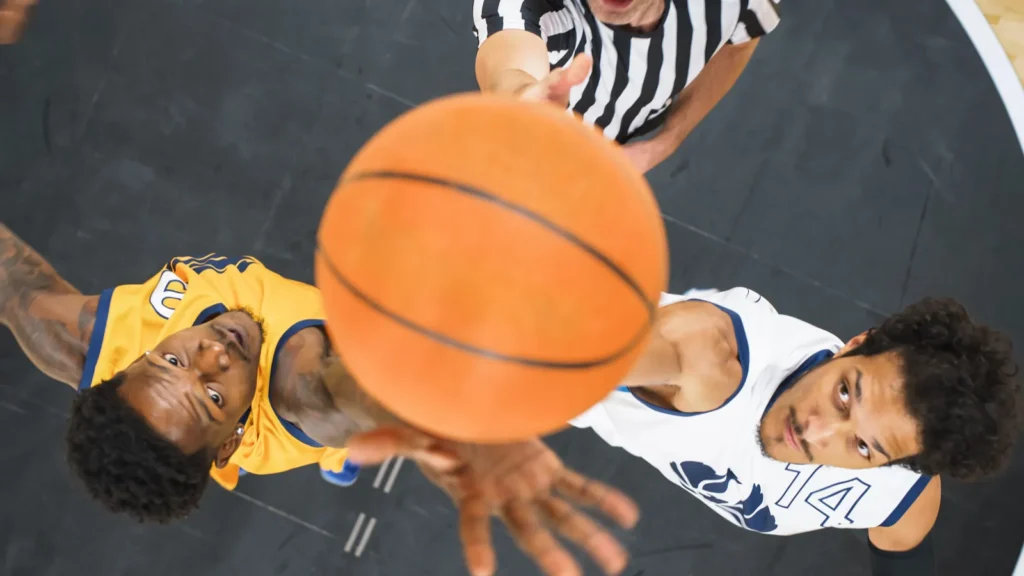
Advanced teams employ scram switches to prevent size advantages before offensive players exploit them.
When smaller defenders get switched onto bigger offensive players during pick and rolls, help defenders immediately swap assignments. A defending big comes over and relieves the smaller defender, who retreats to the perimeter. These split-second rotations demand exceptional trust and communication between teammates but prevent easy baskets in the post.
The tactic represents defensive evolution at its finest. Teams identified a weakness in switching schemes and created countermeasures. Scram switching allows teams to maintain their switching philosophy while protecting against its inherent vulnerabilities. This constant adaptation defines modern defensive basketball and separates elite units from average ones.
Drop Coverage Counters Evolved Into Hybrid Zones
Teams now mix traditional schemes with modern adjustments to confuse offensive attacks.
Drop coverage sees the screener’s defender retreat toward the paint while the ball handler’s defender fights over screens. This forces guards into midrange shots rather than threes or layups. Defenses adjust based on offensive personnel and game situations. Against elite midrange scorers, teams abandon drop and switch aggressively instead.
Hybrid zones made subtle comebacks after years of obscurity. Teams like Miami run zone for several live possessions to disrupt offensive rhythm. Modern zones don’t resemble traditional formations but rather glorified switching schemes with zone principles. This defensive creativity forces offenses to solve new puzzles constantly rather than executing familiar actions.
Versatility Matters More Than Individual Lockdown Ability
Championship defenses require positionless defenders who can guard multiple positions without creating exploitable mismatches.
The 2014 Warriors revolutionized defense by placing Draymond Green at center. Green possessed the quickness to lock down quick guards for extended stretches. This weaponized switching in unprecedented ways and created a new defensive blueprint. Teams rushed to build rosters capable of these defensive plans.
Players now dedicate offseason training to defending positions they’d never guarded previously. Guards study defending post players while bigs work on perimeter coverage. This versatility eliminates the weak defensive links that offenses traditionally hunt. Teams without switchable defenders struggle in playoff basketball regardless of offensive firepower.
TL;DR
- Switching defenses became fundamental after 25 teams crossed 1,000 switches by 2022.
- Teams hunt offensive weak links by placing rim protectors on non-shooters.
- The 2024 Finals showed Boston hunting Luka’s defense while Dallas couldn’t exploit Boston’s balanced lineup.
- Baiting and scramble tactics push offenses into worse shots rather than trying complete shutdowns.
- Scram switches prevent post mismatches through instant defensive rotations.
- Hybrid zones and drop coverage variations keep offenses guessing constantly.
Read More:
- How international players transformed the NBA identity
- Draft night surprises that shifted the NBA landscape
- The hidden NBA stats casual fans never notice
This article was made with AI assistance and human editing.