
Coaches lose sleep, veterans check their phones, and young players wonder where they stand. The locker room becomes a pressure cooker weeks before a single deal is made. The human side of deadline season rarely makes the highlight reel, but it shapes everything when the playoffs arrive.
Whether a team is buying or selling, the ripple effects inside the room are real and lasting. Friendships get broken. Roles get reshuffled. Leaders emerge from unexpected places. The deadline is not just a roster event. It is a defining moment for team culture, and every player feels it, whether they get traded or not.
Let’s take a closer look.
The anxiety window starts weeks early
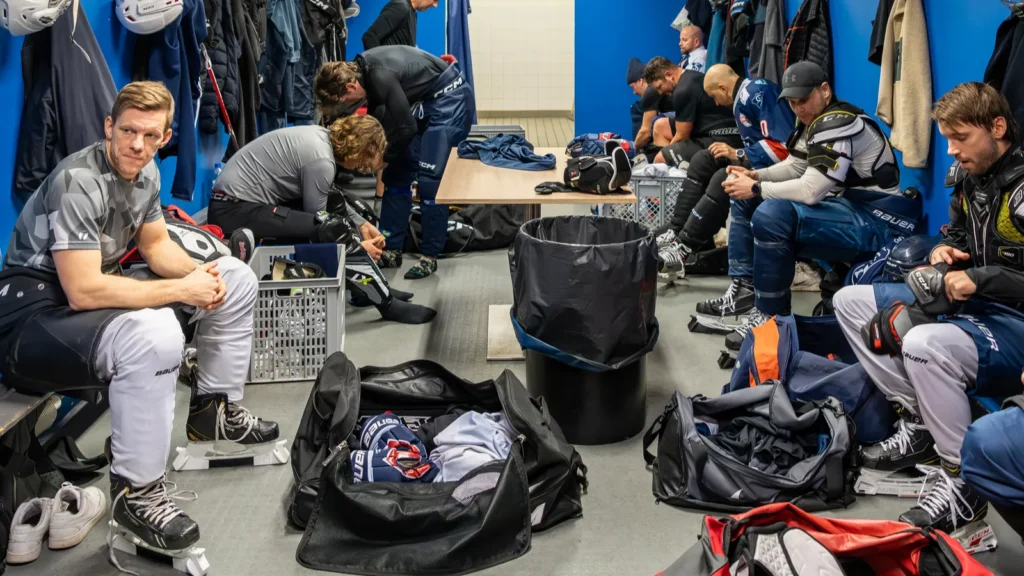
Long before 3 p.m. on deadline day, the tension inside an NHL locker room is already building. Players are on pins and needles during the two or three weeks before the deadline, even if they never say it out loud. Everyone is waiting and asking themselves what the team will look like when the dust settles.
That uncertainty quietly weighs on performance, focus, and trust between teammates. The moment the deadline passes, something shifts almost instantly. Coaches and players describe it as a collective exhale. The next time the team walks into the locker room together, the message is simple: this is our group now, so let’s get to work.
What coaches are really worrying about
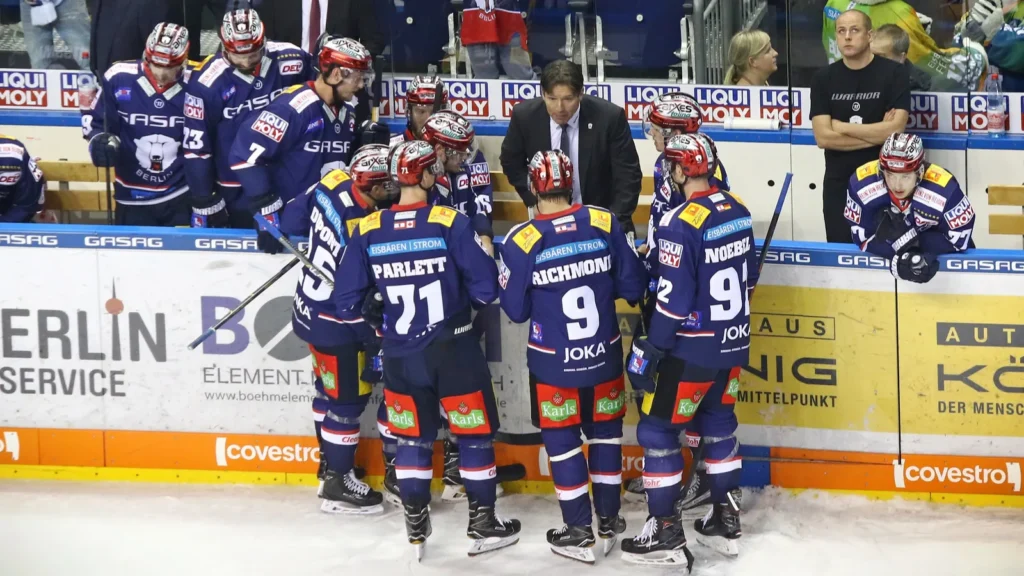
NHL coaches face a different kind of pressure at the deadline than fans ever see from the outside. Coaches ask a long list of questions when a new player arrives. Will he fit the locker room culture? Will chemistry with linemates come quickly? How will he handle a reduced or different role? These are not small concerns with only 20 games left in a season.
A coach who has a personal history with the incoming player faces far fewer unknowns. When there is no prior relationship, the behind-the-scenes work begins fast. Phone calls go out to trusted contacts who know the player’s personality, habits, and how he handles adversity in a new environment.
Fun fact: In 1987, the New York Rangers made one of the only true coach-for-draft-pick trades in NHL history, sending a first-round pick to Quebec to acquire head coach Michel Bergeron. No NHL team has ever traded a coach since. It backfired badly for both sides.
The human cost nobody talks about
Being traded mid-season is a disruption that hits players in ways that have nothing to do with hockey. A player has to say goodbye to teammates he has spent months with, pack up his life, arrange travel, and find somewhere to sleep in a new city. The hockey transition is just one layer of a much bigger upheaval.
Players with families face extra stress. Kids are in school. Doctors need to be changed. A familiar home becomes a hotel room overnight. The locker room on the receiving end rarely sees any of this. Teammates who welcome a new arrival are welcoming someone who is managing a lot more than a new jersey number.
System overload is a real risk
A new player joining a team mid-season has to absorb months of knowledge in a matter of days. NHL coaching staff contributors have explained that the biggest mistake a coach can make is overwhelming an arriving player with too much information at once. Forecheck systems, penalty kill assignments, power play roles, and defensive zone responsibilities. That is a lot to absorb before the next game.
The smarter approach is to simplify. Coaches focus on where the player will contribute most and let him play through the adjustment. Small corrections come daily as coaches watch the film and identify what needs fine-tuning. The goal is comfort first, then optimization.
When sellers ship out beloved players
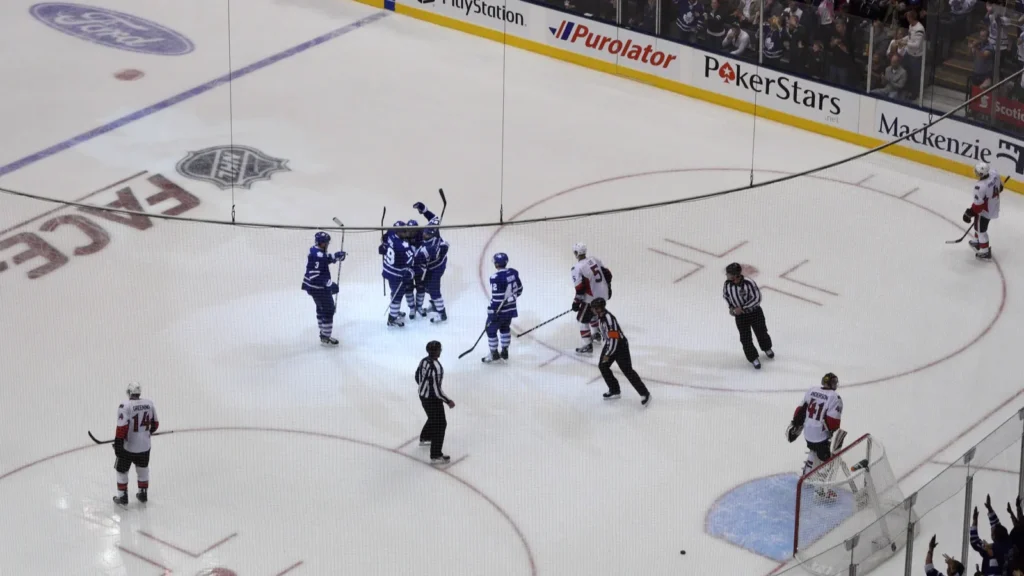
When a team trades away a respected veteran, the remaining players feel it. Boston Bruins forward Morgan Geekie described this after Trent Frederic was traded to the Oilers, saying that the team was affected and that people sometimes forget players are human, too. Frederic was not just a roster piece. He was a friend and a teammate whom guys had known for years.
Selling teams must rebuild their emotional foundation with less experienced players who are now being asked to step up. That shift in responsibility can be jarring for a young roster. How the coaching staff manages the transition often determines whether the final stretch of the season becomes a confidence builder or a discouraging collapse.
Fun fact: When the Boston Bruins traded Ray Bourque to Colorado in March 2000, he had played 1,518 games for the franchise over 21 seasons.
Strong identity protects the room
The teams that weather the deadline best are the ones that already know exactly who they are. Analysts looking at teams like the Minnesota Wild have argued that a strong, ego-light locker room culture is the best protection against trade-deadline disruption. When veterans lead well, and younger players have a real voice, new arrivals tend to slot in instead of standing out awkwardly.
The culture absorbs the change rather than fracturing under it. Columbus Blue Jackets GM Don Waddell has emphasized protecting team chemistry at the trade deadline. In 2025, he explained that pulling a key player out of the room would be ‘pretty devastating’ and ‘the wrong message’ to fans, coaches, and players, a stance shaped in part by what the group has gone through in the wake of Johnny Gaudreau’s death.
The complementary piece vs. the disruptor
Coaches around the league, including former Minnesota Wild bench boss Dean Evason, have talked about how deadline additions that don’t address an identified need can actually disrupt a room, forcing them to adjust their structure around a player who doesn’t quite fit.
The trades that work best are the complementary ones. When Butch Goring was dealt to the Islanders, he did not arrive expecting to be the top center. He accepted his role behind Bryan Trottier and fit perfectly. Those trades do not create waves. They quietly make the whole boat faster without rocking it at all.
TL;DR
- The NHL trade deadline creates weeks of anxiety in locker rooms before a single deal is made.
- Coaches worry about culture fit, role adjustment, and player psychology when integrating new additions.
- Players traded mid-season face major personal disruptions beyond just learning a new system.
- Selling teams lose veteran leaders and must rebuild their emotional foundation quickly.
This article was made with AI assistance and human editing.
If you liked this, you might also like: