Baltimore Orioles win arbitration case
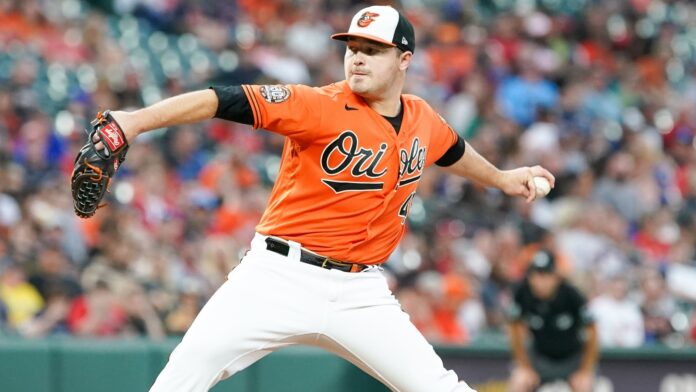
The Baltimore Orioles secured their first salary arbitration victory of the year by defeating pitcher Keegan Akin. This ended a streak where players had won all five previous decisions in 2026.
Akin, who had requested $3,375,000, was instead awarded $2,975,000. The arbitration panel, including John Stout, Jeanne Charles, and Samantha Tower, ruled after hearing arguments that balanced his performance with the team’s proposal.
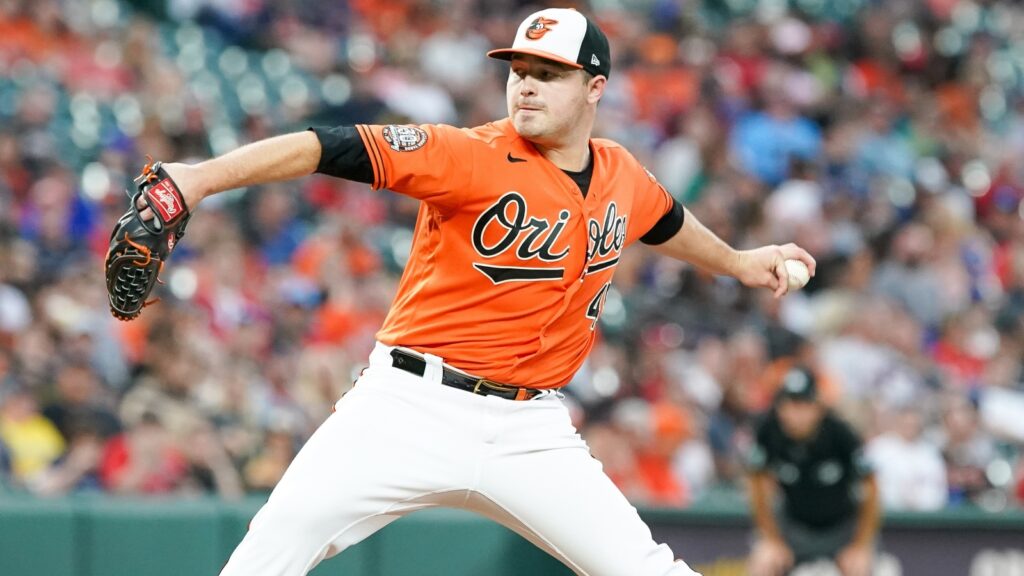
Keegan Akin’s 2025 season performance
Akin, a 30-year-old left-handed pitcher, posted a 5-4 record with a 3.41 ERA and eight saves in 64 relief appearances last season. He struck out 59 batters while walking 33 in 63 and one-third innings.
Before this arbitration, Akin earned $1,475,000. Despite solid stats, the arbitration panel felt the Orioles’ counteroffer was fair, taking into account his career numbers and contribution to the team over the past season.
Akin’s major league career
Over six seasons, all with the Orioles, Akin has a 16-22 record, a 4.48 ERA, and 11 saves. His experience as a reliable bullpen option has been consistent but not dominant.
Akin is eligible to become a free agent after the 2026 World Series. This arbitration outcome sets a baseline for his potential earnings and negotiations in the future, marking a key career milestone.

Players lead arbitration decisions this year
Before Akin’s case, MLB players had won all five arbitration decisions in 2026. This demonstrates how player performance often carries significant weight, especially for those with strong statistics or record-setting achievements.
The string of victories highlighted the power of arbitration in balancing player and team interests. Teams now face pressure to justify counteroffers, ensuring fair compensation without overpaying for performance.

Tarik Skubal sets arbitration record
Two-time Cy Young Award winner Tarik Skubal won his arbitration case on Thursday. He was awarded a record $32 million instead of the Detroit Tigers’ $19 million offer.
Skubal’s dominant pitching and elite performance last season made this award a milestone for arbitration, showing that extraordinary talent can set new financial precedents for pitchers across the league.
Other notable arbitration victories
Catcher Yainer Diaz received $4.5 million after the Houston Astros offered $3 million. Right-hander Kyle Bradish earned $3.55 million instead of the Orioles’ $2,875,000 proposal.
Right-hander Graham Ashcraft was awarded $1.75 million rather than Cincinnati’s $1.25 million offer, and Edwin Uceta received $1,525,000 instead of Tampa Bay’s $1.2 million. These outcomes demonstrate the arbitration process balancing performance and fairness.
Pending arbitration decisions
Two cases had been argued with decisions postponed. Toronto left-hander Eric Lauer is seeking $5.75 million versus the team’s $4.4 million offer, and Atlanta left-hander Dylan Lee requested $2.2 million against $2 million.
These pending rulings keep fans and teams anticipating outcomes that may influence the remaining arbitration hearings. They highlight how performance statistics and contract history play critical roles in the arbitration process.
Upcoming arbitration hearings
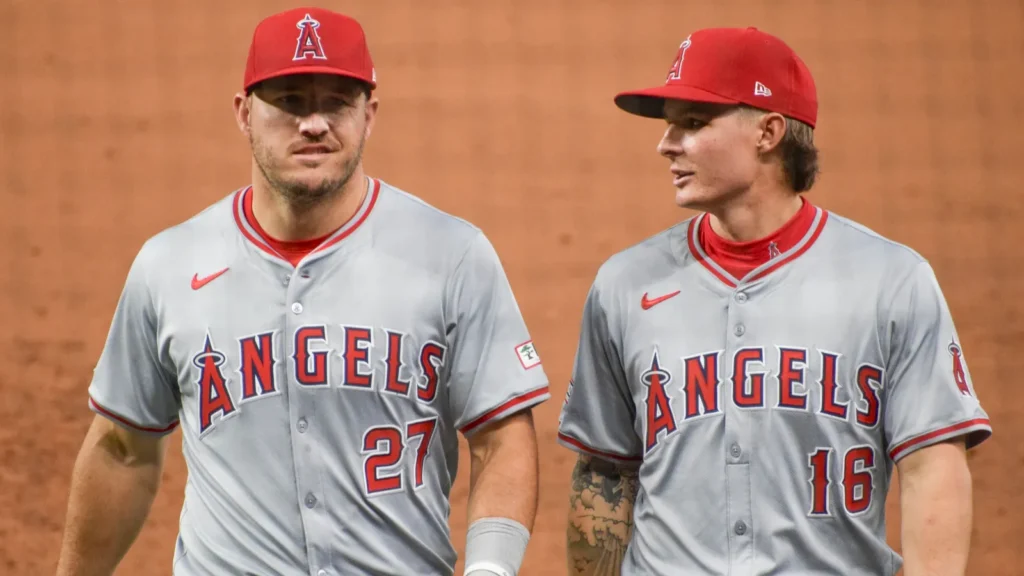
Five players are scheduled for hearings next week. Kansas City left-hander Kris Bubic is seeking $6.15 million against $5.15 million, while Milwaukee catcher Willson Contreras wants $9.9 million versus $8.55 million.
The Los Angeles Angels’ Reid Detmers, Miami Marlins’ Calvin Faucher, and Reds catcher Tyler Stephenson will also have hearings. Each case could affect contract negotiations and team budgets for 2026.
Understanding the arbitration process
Salary arbitration allows players and teams to submit proposed salaries, with an independent panel deciding which figure is fair. This ensures compensation reflects performance and contribution.
Players often use career statistics, awards, and season performance as evidence. Teams counter with comparative analysis and budget considerations. Arbitration maintains balance between rewarding talent and managing payroll effectively.
Financial implications for MLB teams
Winning or losing arbitration can impact team payroll planning. Orioles’ victory over Akin reduces financial exposure, while large awards like Skubal’s record $32 million payout increase budget pressure for other clubs.
Teams must weigh short-term earnings against long-term strategic goals, including player development and free-agent signings. Arbitration outcomes directly influence how teams manage contracts in a competitive league.
fun fact: In 1957, the Los Angeles Dodgers and Chicago Cubs pulled off one of baseball’s wildest moves by trading their entire 25 man minor league rosters as the Dodgers prepared to move West and the Cubs looked for a fresh start.
Impact on players’ careers
Winning arbitration often validates a player’s performance, boosts confidence, and sets a precedent for future contracts. Akin’s award, though less than he requested, still recognizes his value to the Orioles.
Large awards for players like Skubal, Diaz, and Bradish can elevate their market status, potentially influencing trades, endorsements, and long-term career opportunities within MLB.

Fan and media attention
Arbitration decisions attract significant media and fan attention. Fans closely follow cases to see whether players receive what they believe is fair compensation based on performance and potential.
Media coverage often compares player achievements, statistical records, and team strategies. These stories provide context to team management decisions and generate discussions among baseball enthusiasts nationwide.
If you enjoy diving into the moments that spark debates and define careers, take a look at some of MLB’s most iconic home runs that turned players into legends.
Looking ahead to the 2026 season
The remaining arbitration hearings will continue shaping contracts and salaries for the 2026 MLB season. Players and teams are keenly focused on outcomes as they prepare for spring training.
These decisions set precedents for future negotiations, and understanding the process helps fans appreciate how performance, consistency, and statistics translate into fair pay for professional athletes.
Curious how today’s MLB standouts were shaped long before the spotlight found them? Take a moment to explore the journey through the minors that helped turn raw talent into big league stars.
Think this ruling shifts the balance in future arbitration battles? Share your take in the comments and let us know whether you believe the Orioles got it right this time.
This slideshow was made with AI assistance and human editing.
Read More From This Brand: