
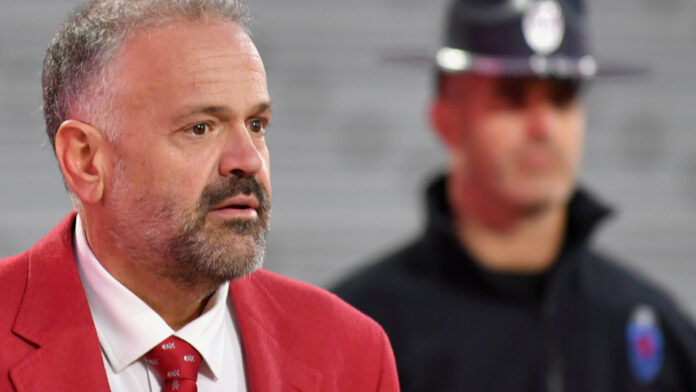
Nebraska fans might think they can fire Matt Rhule for a cheap price tag, but the math says otherwise. The cost to dismiss the coach just jumped to $63 million after he signed a two-year deal in October 2025. This figure represents a massive financial barrier that keeps the Cornhuskers stuck with him even if the team struggles.
Near the conclusion of his third season in the role, Rhule signed the extension. The contract now runs through the 2032 season. According to reports, the buyout number sits at $63 million. That sum is 90% guaranteed, which means the school owes almost the entire amount if they let him go. The deal was designed to keep Rhule from returning to his alma mater, Penn State, after James Franklin parted ways there.
The Real Price of a Buyout
Most people assume a buyout is a fixed number written in stone. In reality, it is often just the opening bid in a messy negotiation. An agent informed CBS Sports that “buyouts are often starting points in negotiations.” Schools and coaches sometimes work out a lower deal to save money or clear the books faster.
The situation gets more complicated when a coach finds a new job quickly. If a coach takes another gig, the new salary can offset what the old school owes. This is called an offset clause. It reduces the payout the original team has to write a check for. James Franklin faced a similar situation when he left Penn State. He was owed $49 million, but Virginia Tech’s hiring of him helped lower the final cost to the school.
A History of Creative Exits
Other coaches have faced even wilder numbers in recent years. Brian Kelly was owed $54 million when he left LSU. Although the school attempted to terminate him for cause to dodge payment, the legal conflict concluded with Kelly receiving his entire buyout. He is now working as an analyst for CBS Sports. These cases show that the number on the paper rarely matches the cash that actually changes hands.
Franklin admitted the situation was hard to accept during an interview with USA Today. He noted the internal conflict schools face when cutting ties. “You go through that deal, and you’re thinking, I don’t want to let them off the hook financially,” Franklin said. He added that the decision was about his family and his own happiness rather than just punishing the school.
The Future of Coaching Contracts
The Big Ten conference is also dealing with new rules that could change how coaches and schools spend money. A $49 million cap on NIL deals now limits how much schools can pay for athlete names and images. This rule took effect immediately after the Big Ten presidents announced it on October 28. It forces schools to rethink their entire budget for recruiting and roster building.
Ohio State coach Ryan Day has spoken out about needing more structure for these spending limits. He told reporters in Chicago, “I think we all would like to see more structure when it comes to the salary cap and then how things are handled above the salary cap.” Day wants to see the cap go higher so programs can keep paying players.
While the conference changes how much money flows to players, the buyout rules stay strict for coaches. Rhule’s contract does not require him to accept a new job if it is not right for his career. CBS Sports observed concerning comparable agreements that a coach need not accept a position “if such position is not in the best interest” during their coaching career. This clause gives Rhule some power if Nebraska tries to push him out. The Cornhuskers must now decide if they can afford to keep a coach with a $63 million exit fee or if they will try to negotiate a lower price.