
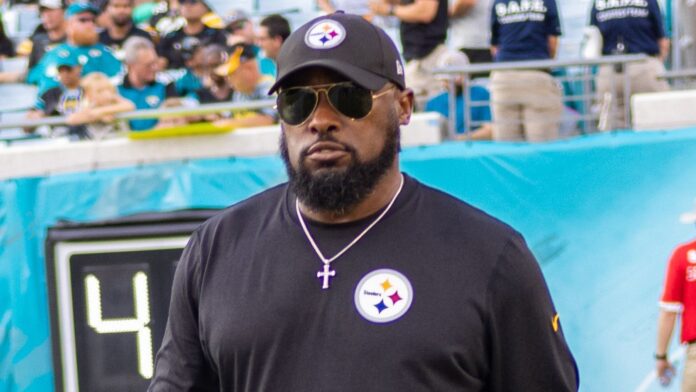
Mike Tomlin has openly defended his continued loyalty to the Pittsburgh Steelers while working as an NBC football analyst.
During an October 14, 2026 appearance on New Heights, Tomlin explained that his relationships with the team remained important after 19 seasons as its head coach. He said he would not pretend otherwise or apologize for supporting the organization, while emphasizing that he still had a broadcasting job to do.
Tomlin coached Pittsburgh from 2007 through the 2025 season, winning Super Bowl XLIII and finishing every regular season with a record of .500 or better. He stepped down on January 13, 2026.
Tomlin’s long relationship with Pittsburgh
Tomlin became the Steelers’ head coach in 2007, succeeding Bill Cowher. He inherited a franchise with a strong winning tradition and maintained its place among the NFL’s consistently competitive teams during nearly 2 decades in charge.
His tenure included a Super Bowl XLIII victory over the Arizona Cardinals following the 2008 season. Pittsburgh won 27-23, giving Tomlin a championship early in his head-coaching career and reinforcing his standing among the league’s leading coaches.
Tomlin also became known for his consistency. He did not record a losing regular-season record during his time as Pittsburgh’s head coach, a notable achievement in a league where rosters, injuries and competitive conditions change every season.
Why accusations of bias can follow a former coach
Former coaches who discuss their old teams often face scrutiny over whether they can separate personal loyalty from analysis. A positive assessment of a familiar franchise can be interpreted as favoritism, even when it reflects a sincere football judgment.
That tension is especially visible when a former coach moves into media commentary. Audiences expect informed analysis, but they may also wonder whether personal relationships or years of shared history influence the way a team is discussed.
Still, supporting or speaking positively about a former employer does not automatically establish bias. A fair assessment depends on the specific statement, the evidence behind it and whether the speaker applies consistent standards when discussing other teams.
Tomlin’s coaching record shaped his public reputation
Tomlin’s career with Pittsburgh included a Super Bowl championship, multiple postseason appearances and a sustained record of competitiveness. Those achievements helped make his views on the Steelers especially relevant to fans and analysts.
His coaching style was often characterized by blunt public comments and an emphasis on accountability. He regularly addressed difficult questions about performance, preparation and expectations, while defending his players and staff when he believed criticism overlooked important context.
That history helps explain why a comment about Pittsburgh could draw attention beyond a routine sports discussion. Tomlin is not simply a former coach with passing familiarity; he was responsible for the franchise’s football direction for nearly 20 years.
The difference between loyalty and impartial analysis
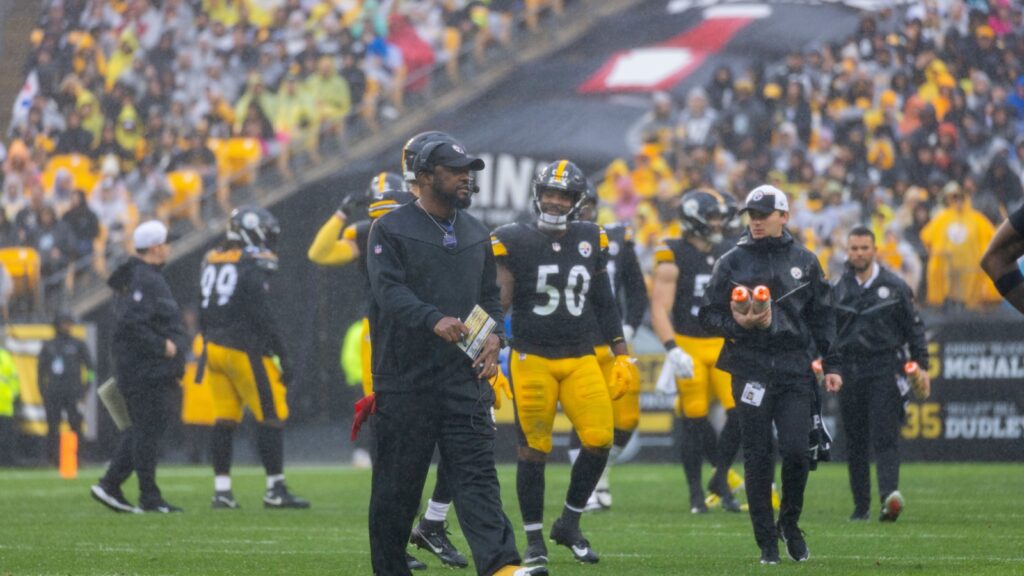
Loyalty is common in professional sports. Coaches develop relationships with players, staff members and team executives, and those connections do not necessarily disappear when a job ends. A former coach may reasonably remain proud of an organization’s achievements.
Impartial analysis, however, requires separating those feelings from the evidence. If a commentator praises Pittsburgh, the useful question is whether the assessment matches the team’s actual performance, roster strengths, injuries and results rather than whether the speaker has a personal connection.
That distinction matters for audiences trying to evaluate sports commentary. A claim of bias should be grounded in a specific example, not inferred solely from a person’s employment history or public affection for a team.
The Steelers’ identity remains tied to high expectations
Pittsburgh’s history includes 6 Super Bowl championships, tied for the most in NFL history with the New England Patriots. That legacy helps explain why discussion of the franchise often comes with expectations that extend beyond a single season.
The Steelers have long been associated with physical defense, continuity and a strong organizational identity. Those themes formed part of the environment Tomlin inherited and helped sustain during his tenure as head coach.
Historical success, though, does not guarantee future results. Any assessment of the current team should consider its present roster, coaching staff and performance rather than rely exclusively on past championships or the reputation built during Tomlin’s years in Pittsburgh.
What Tomlin actually said
Tomlin addressed his allegiance to the Steelers during an October 14, 2026 appearance on New Heights with Jason and Travis Kelce.
Asked about favoring Pittsburgh in his NBC commentary, he explained that 19 seasons with the organization had created lasting relationships. He said he would not pretend he no longer cared about the team.
“Everybody knows where my heart is and where my support is, and I’m not apologizing for that,” Tomlin said. He also emphasized that he had a broadcasting job to do.
Fun fact: Mike Tomlin became the youngest head coach in NFL history to win a Super Bowl at 36 years and 323 days.
Tomlin’s legacy provides context for his remarks
Tomlin’s championship, 19-season tenure and uninterrupted run of non-losing regular seasons remain central to his Pittsburgh legacy.
His comments on New Heights made clear that leaving the coaching job did not end his support for the Steelers. He defended those personal loyalties while acknowledging his responsibilities as an NBC analyst.
That distinction provides the context for his remarks: Tomlin openly supports his former team, while the accuracy and fairness of his broadcasting work can be assessed through his analysis.
TL;DR
- Mike Tomlin coached the Pittsburgh Steelers from 2007 through the 2025 season and stepped down in January 2026.
- He led Pittsburgh to a 27-23 victory over Arizona in Super Bowl XLIII.
- During an October 2026 appearance on New Heights, he openly defended his continued loyalty to the Steelers.
- Tomlin said he would not apologize for supporting the organization while emphasizing his broadcasting responsibilities.
- His remarks acknowledge personal allegiance without establishing that his football analysis is inaccurate.
Read More From This Brand:
- Mike Tomlin speaks about Mike McCarthy’s Steelers role
- Mike Tomlin set for major HBCU appearance after NBC debut
- Mike Tomlin challenges Cowboys’ late-game strategy during NBC analysis
This article was made with AI assistance and human editing.