Mookie Betts shares update amid Dodgers push
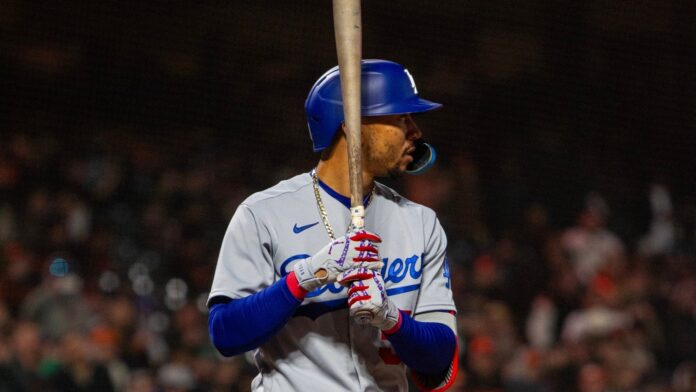
Mookie Betts remains one of the biggest names shaping the Los Angeles Dodgers’ season, but recent developments have added new layers to his journey this year. As the team pushes through a demanding MLB schedule, attention has shifted toward his status, his role in the lineup, and how the Dodgers are adapting around him.
There’s more happening behind the scenes than the headlines show, and the impact could stretch deeper into the season than expected. Fans are now watching closely to see how this situation unfolds in the weeks ahead.
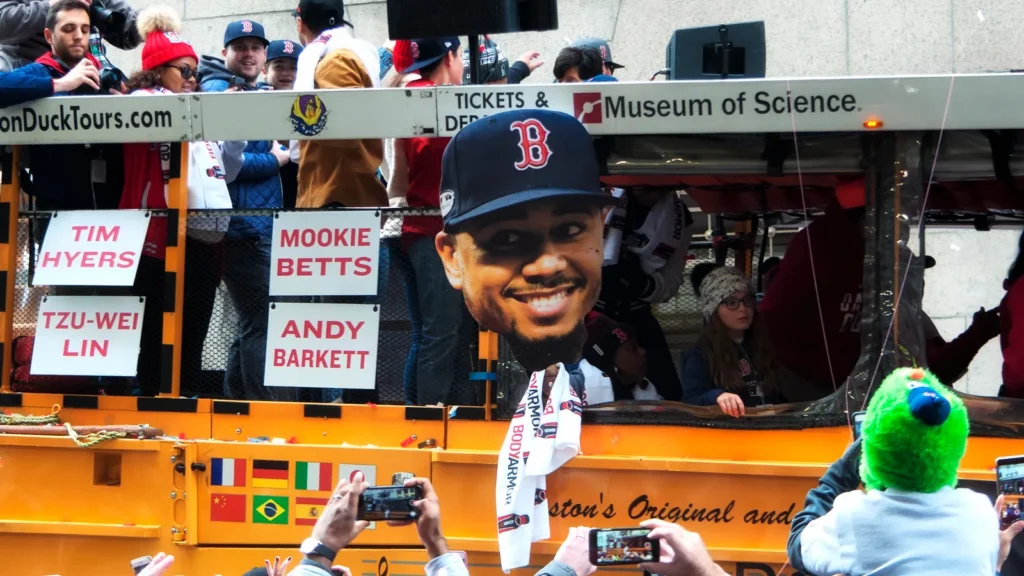
Positional flexibility shapes Dodgers’ strategy
The Dodgers use Betts in multiple defensive and lineup roles depending on matchups. This flexibility allows the coaching staff to adjust strategy without losing offensive strength.
His experience across the infield and outfield gives the team more options during tight game situations. It also helps the Dodgers manage roster depth more efficiently over a long season.
Injury incident disrupts early rhythm
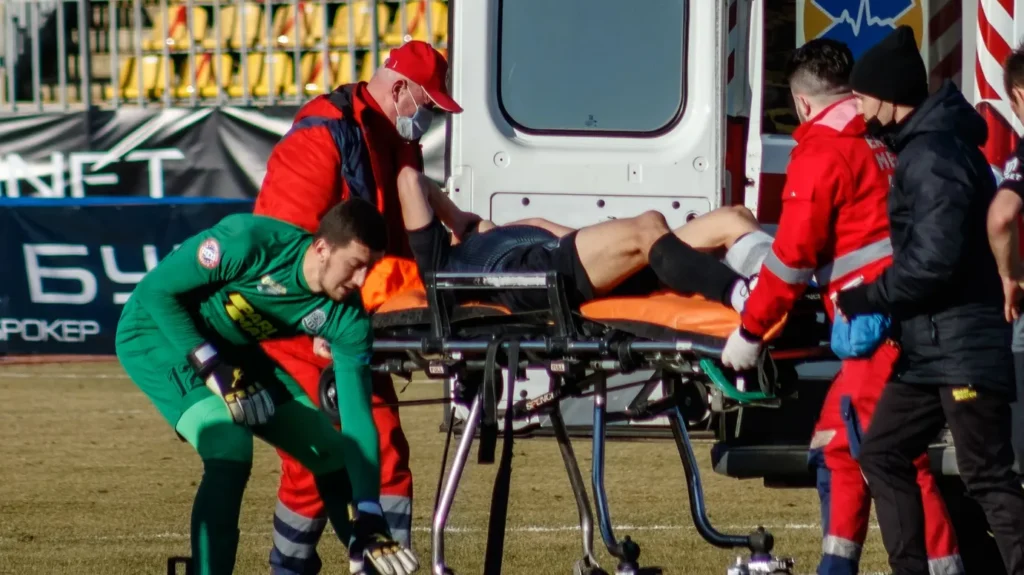
Mookie Betts was placed on the injured list after being diagnosed with a right oblique strain during a game against the Washington Nationals. The injury occurred while he was running the bases, and he experienced discomfort, leading to his early exit from the game.
Medical imaging confirmed the oblique strain, and the Dodgers officially placed him on the injured list for recovery. Oblique injuries are known to affect rotational movement, which is important for hitting and running, making rest and rehabilitation necessary before return.

Training staff prioritizes controlled recovery structure
The Dodgers manage oblique injuries using standard MLB rehabilitation procedures that focus on gradual recovery and controlled workload. Players recovering from oblique strains typically begin with light activity before progressing to more intensive baseball movements.
Medical staff monitor recovery closely and adjust activity levels based on how the player responds to treatment. This approach is widely used across Major League Baseball to reduce the risk of reinjury and ensure full recovery before returning to play.

Rehab process emphasizes physical rebuilding
Mild to moderate oblique strains in Major League Baseball are typically treated with a structured rehabilitation process that includes mobility work, core strengthening, and a gradual return to throwing and hitting activities. These steps are designed to restore rotational strength and stability in the torso.
Medical staff monitor recovery progress and adjust training intensity based on the player’s response to activity. The goal of this approach is to safely return athletes to full baseball movements while minimizing the risk of reinjury.
Veteran influence remains active off the field
Mookie Betts is widely recognized as a veteran leader for the Los Angeles Dodgers due to his postseason experience and long-term success in Major League Baseball. Players with his level of experience are often regarded as important influences in clubhouse culture and team preparation.
He is also known for maintaining a calm and focused presence in high-pressure situations, which helps stabilize team performance during long seasons. His leadership is often reflected in how he prepares for games and supports overall team discipline.
Interesting fact: The Los Angeles Dodgers franchise was established in Brooklyn in 1883 and was originally known as the Brooklyn Dodgers before relocating to Los Angeles in 1958.

Defensive alignment adjusts across infield roles
Major League Baseball teams frequently adjust their defensive alignments when key players are unavailable due to injury. Utility players are often used to cover multiple infield positions in order to maintain defensive stability and roster balance.
Managers also use these situations to evaluate different lineup combinations and defensive setups throughout the season. This approach reflects a common strategy in modern baseball focused on flexibility and depth management.

Return timeline depends on swing recovery progress
Return from an oblique strain depends on when a player can safely perform rotational movements such as swinging a bat without discomfort. These injuries affect core muscles used in hitting, so recovery must be gradual.
MLB teams typically monitor a player’s progress and adjust activity levels step by step based on medical evaluations. Organizations like the Dodgers prioritize full recovery and avoid rushing players back too early in order to reduce the risk of reinjury.
Team chemistry tested during roster rotation
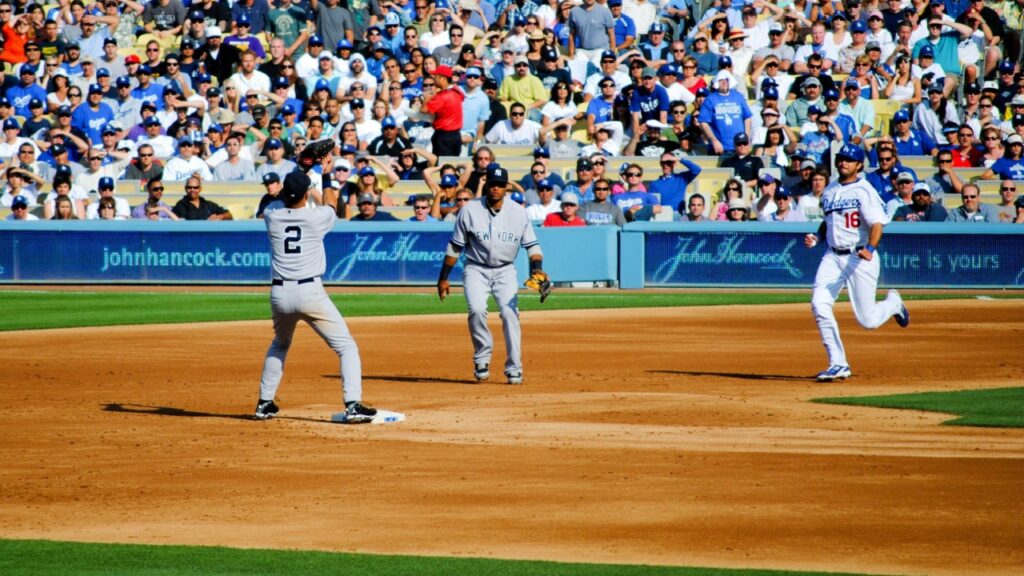
Major League Baseball teams frequently adjust their batting orders and defensive combinations when key players are unavailable due to injury or rest. These changes allow managers to evaluate different lineup configurations and matchups throughout the season.
Such situations often provide opportunities for bench and utility players to take on expanded roles. This approach is a standard part of roster management and helps teams maintain competitive balance over a long MLB season.

MLB injury trends highlight oblique recovery challenges
Oblique injuries are considered among the more difficult muscle strains in baseball because they directly affect rotational movement used in hitting and throwing. Recovery times vary depending on severity, workload, and how quickly a player regains full core strength.
This type of injury is especially challenging for hitters because even small discomfort can reduce swing power and timing. Similar injuries are commonly seen across MLB, including hamstring strains (like Mike Trout’s recurring hamstring issues), shoulder strains (such as Justin Verlander’s past shoulder management periods), and lat or back strains affecting pitchers’ rotation mechanics.
Interesting fact: The Dodgers have won eight World Series championships (including 1955 in Brooklyn and several in Los Angeles, most recently in 2024).
Mental preparation remains part of recovery routine
Major League Baseball players recovering from injury often remain mentally engaged with the game by studying film, reviewing matchups, and staying in communication with coaches and teammates. This is a common part of modern sports rehabilitation.
Mental involvement during recovery can help athletes maintain awareness of game situations and support readiness when they return to play. This approach is widely recognized in sports psychology as part of a complete return-to-play process.
The internet is also talking about Jose Ramirez reaching a historic games played mark with the Guardians.
Season outlook remains steady for Dodgers organization
The Los Angeles Dodgers are widely regarded as one of the most competitive teams in Major League Baseball, known for strong roster depth and sustained performance over multiple seasons. The organization typically focuses on long-term success by maintaining consistency across a full MLB season.
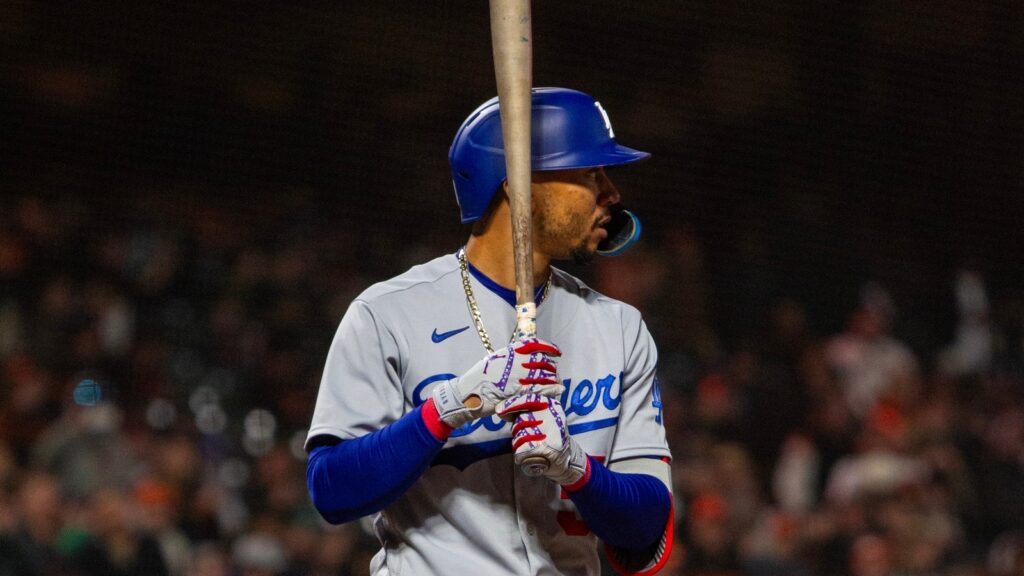
Mookie Betts is a core player in the Dodgers lineup based on his career achievements and role within the team. His return to full health is expected to restore an important part of the team’s overall offensive and defensive structure.
In other news, Mariners’ Cal Raleigh breaks homer drought with solo shot vs Rangers.
Do you think the Dodgers can stay dominant until he returns, or will his absence change their momentum? Share your thoughts in the comments!
This slideshow was made with AI assistance and human editing.
Read More From This Brand: