In the NFL (National Football League), some players don’t just play their position well; they change what that position means. These players force coaches, opponents, and fans to think differently about how the game is played. Whether by speed, power, skill, or versatility, they stretch the boundaries of what was expected.
This article explores several NFL stars who redefined their positions. We’ll look at linebackers, wide receivers, cornerbacks, and more. Then we’ll answer common questions and wrap up what their legacies mean.
How Edge Linebackers Got Reinvented: Lawrence Taylor
One of the biggest changes in defensive positioning came through Lawrence Taylor. Before Taylor, the outside linebacker role often focused on reading plays and reacting. Taylor turned it into an attacking role.
He combined rare speed and power for an off-edge pass rusher and forced offenses to change protections and schemes to account for him.
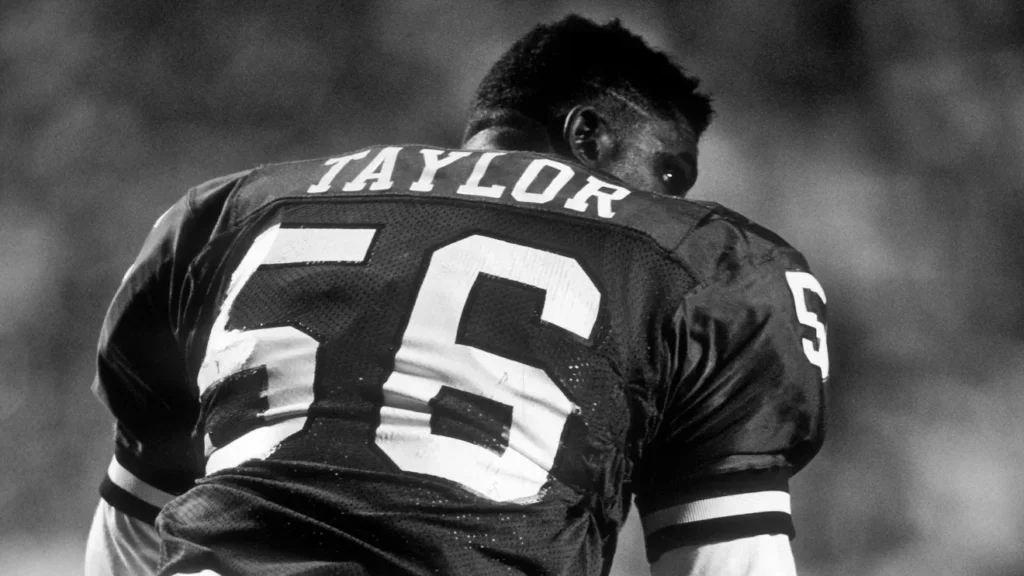
Taylor won the AP Defensive Player of the Year award three times (1981, 1982, 1986) and was named the NFL’s Most Valuable Player in 1986, one of only two defensive players ever to earn that honor. His 1986 season and sustained dominance are widely credited with shifting expectations for outside linebackers toward hybrid pass-rush and edge roles.
Because of Taylor, outside linebackers in many defensive systems became more like hybrid pass rushers, expected not just to defend but to attack. His style pushed changes in how teams build offensive lines, how offenses choose formations, and how defenses deploy linebackers.
Wide Receivers Raised Up: Don Hutson, Jerry Rice, Randy Moss
Wide receiver is a position with several legends who redefined it. Let’s look at three: Don Hutson, Jerry Rice, and Randy Moss.
Don Hutson (Packers, 1930s–1940s)
He was an early game-changer. In a run-heavy era, he introduced precision route-running that looks familiar today. When he retired, he held many receiving records, including 488 receptions, 7,991 yards, and 99 touchdowns, numbers unheard of for his time.
He showed how much a receiver could change a game.
Jerry Rice (1985–2004)
He set the modern gold standard for route precision, work ethic, and big-game performance. He finished his career with the most receptions (1,549), receiving yards (22,895), and receiving touchdowns (197) in NFL history. Rice’s combination of technique, durability, and production raised what teams expect from elite receivers.
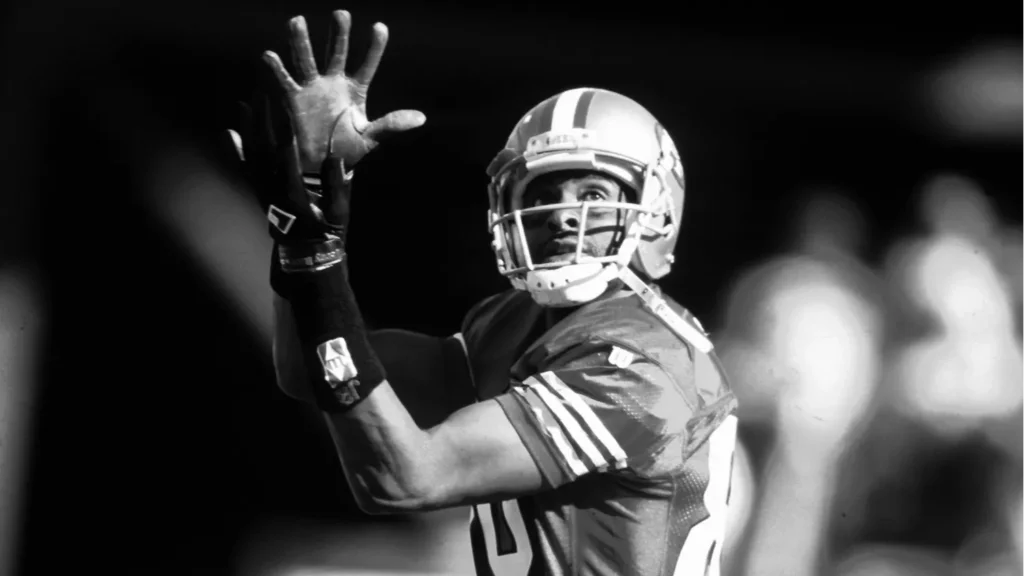
Randy Moss
He changed the idea of the deep threat. His speed, leaping ability, and knack for winning contested catches forced defenses to respect vertical routes on nearly every snap. Moss set the single-season record for receiving touchdowns with 23 in 2007 and finished his career with 156 total.
His presence made teams plan for the possibility of an instant deep strike on any down.
By comparing these players, we see an evolution: early receivers were rare and used in simple ways; later, receivers became focal points, capable of changing games by themselves. The skill set expanded to include speed, agility, creativity in routes, reliable hands, and toughness.
Cornerbacks, Returners, and Versatility: Deion Sanders and More
Some players redefined positions not just by being great, but by being versatile or pushing the limits of what was thought possible.
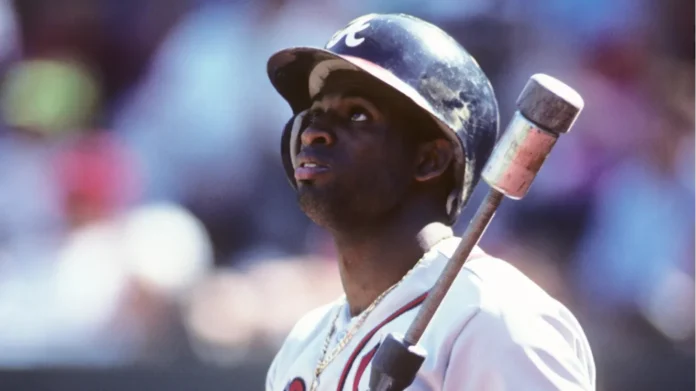
Deion “Prime Time” Sanders
He set a new standard for cornerbacks. He combined lockdown coverage with game-breaking return ability and occasional offensive snaps. Sanders’ mix of elite coverage, instincts, and playmaking changed how teams value and use cornerbacks.
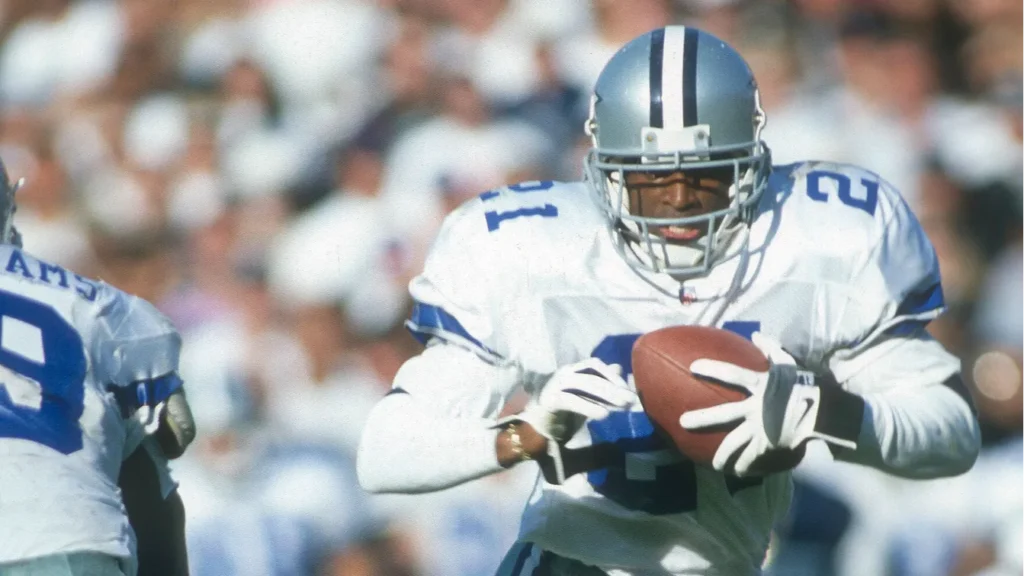
His ability to shut down top receivers and make explosive plays on special teams showed that one player could influence multiple phases of the game.
Deebo Samuel
Modern players have blurred positional lines even more. Deebo Samuel created a hybrid role, often called a “wide back,” a receiver who also runs between the tackles.
His versatility forces defenses to defend him like both a running back and a wide receiver.
Taysom Hill
Similarly, Taysom Hill of the New Orleans Saints has been used as a quarterback, rusher, receiver, and special-teams contributor. He’s often called a “Swiss Army knife” player for his ability to fill so many roles.
These players show that being locked into one single duty, like “just cornerback” or “just receiver,” is less important than having tools that help the team in many ways. That changes how teams build rosters, how coaches scheme, and even how players train.
Frequently Asked Questions
Q1: What does it mean to “redefine a position”?
To redefine a position means a player plays that role in a way nobody before had — new skills, a new style, or an impact that forces coaches and teams to change how the position is used across the league.
Q2: Are there quarterbacks who redefined their role?
Yes. Players such as Randall Cunningham and Steve Young expanded the dual-threat idea in earlier eras, and more recently, Lamar Jackson showed how elite running and passing ability can reshape offensive game planning. These quarterbacks made defenses prepare for both the run and the pass from the same player.
Q3: Can rule changes affect how positions are redefined?
Definitely. Rule changes that limit defensive contact with receivers and emphasize quarterback protection opened up the passing game. This affected how receivers, cornerbacks, and even linebackers play, changing strategies on both sides of the ball.
Q4: Is versatility part of redefining a position?
Yes. Players who can fill more than one role — like a receiver who also runs or a linebacker who can rush and cover — force coaches to design new plays and roster strategies. Examples include Deion Sanders, Deebo Samuel, and Taysom Hill.
Q5: Who are some current players to watch?
Teams now prize hybrid skill sets — players who can run, catch, rush, or cover depending on game situations. Younger stars with that flexibility are likely to become the next generation to redefine their positions.
Conclusion
- Innovation in football often comes from players who refuse to fit into neat boxes.
- Lawrence Taylor remade the outside linebacker as an attacking force.
- Don Hutson, Jerry Rice, and Randy Moss each raised the bar for wide receivers in different eras.
- Deion Sanders and modern hybrids like Deebo Samuel and Taysom Hill showed how versatility can create major strategic advantages.
- Their legacies changed play-calling, roster construction, and what young players aspire to be.
- These trailblazers did more than win awards — they forced the game itself to evolve.
- In the future, new players will continue redefining what it means to play every position in the NFL.
Read More
- NFL Players Who Overcame Career-Threatening Injuries To Make A Comeback
- How Jackie Robinson Changed American Sports Forever
- Greatest Super Bowl Moments That Shaped Football History
This article was made with AI assistance and human editing.