
Some players reshape basketball forever, even without championship rings on their fingers.
Certain NBA legends leave behind more than statistics and highlight reels. They fundamentally alter the game itself through their unique dominance and innovation. These athletes force the league to rewrite its rulebook in response to their extraordinary skills.
Championships often define greatness in basketball, but these players achieved something arguably more lasting without ever hoisting the Larry O’Brien Trophy. Their impact transcended titles and changed how future generations would play the game.
Let’s explore the players whose legacies live through rules that still govern today’s NBA.
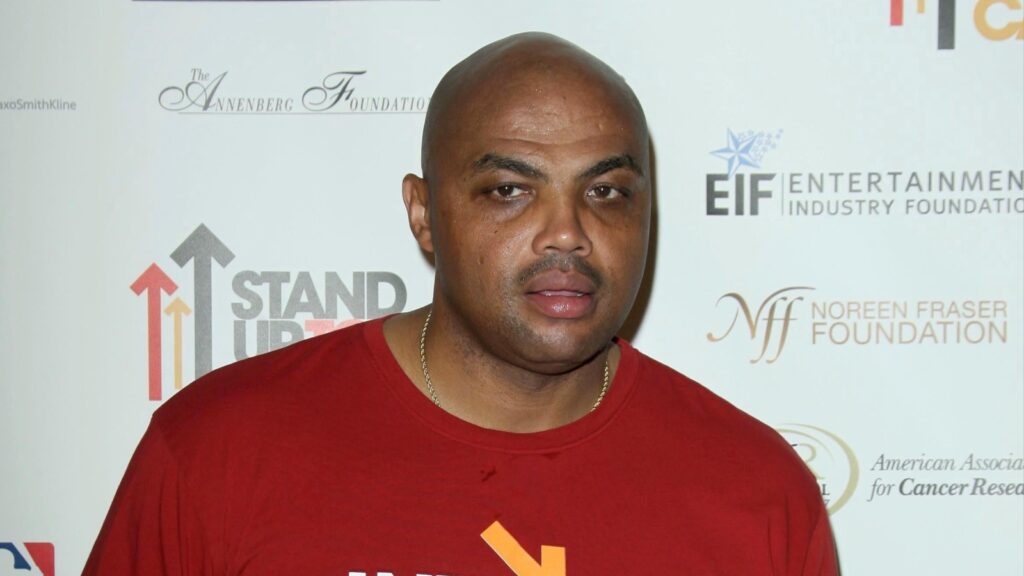
Charles Barkley and the Five Second Rule
The undersized power forward used his physicality to dominate defenders in ways the league had never seen before.
Charles Barkley stood only six feet four inches tall but played power forward with remarkable effectiveness. He would back defenders down for extended periods using his wide frame and exceptional strength. His trademark move involved positioning his backside against opponents and slowly powering toward the basket.
The NBA introduced the five-second rule in 1999, limiting how long offensive players could dribble with their backs to the basket below the free-throw line. Barkley never won a championship despite reaching the Finals in 1993 with the Phoenix Suns. His playing style fundamentally changed offensive strategy and forced defenders to adapt.
Reggie Miller and the Leg Kick
Miller’s three-point shooting prowess came with a controversial technique that drew countless fouls throughout his career.
Reggie Miller revolutionized perimeter shooting with his quick release and incredible range during his time with the Indiana Pacers. He developed a habit of kicking his legs outward during jump shots to create contact with approaching defenders. This tactic resulted in numerous free throws and four-point plays.
The league eventually emphasized stricter enforcement against shooters who unnaturally extend their legs to initiate contact with defenders. Miller reached the NBA Finals in 2000 but lost to the Los Angeles Lakers. His influence extends beyond the rule change to modern shooters who must now be more careful.
Trent Tucker and the 0.3 Second Clock
A miraculous last-second shot against the Chicago Bulls sparked one of basketball’s most technical rule changes.
On January 15, 1990, Trent Tucker caught an inbound pass and released a three-pointer with only 0.1 seconds remaining on the clock. The shot counted, and the Knicks defeated the Bulls 109 to 106, sparking immediate controversy about whether such a play was physically possible. Bulls coach Phil Jackson protested vigorously.
The NBA subsequently established that at least 0.3 seconds must remain for a catch-and-shoot attempt to count as valid. Tucker later won a championship with the Chicago Bulls in 1993, but the rule bears his name from his Knicks days. Only tip-ins or alley oops are permitted with less than three-tenths of a second.
Allen Iverson and the Arm Sleeve Fashion
Medical necessity transformed into a cultural phenomenon when the Answer started wearing compression on his elbow.
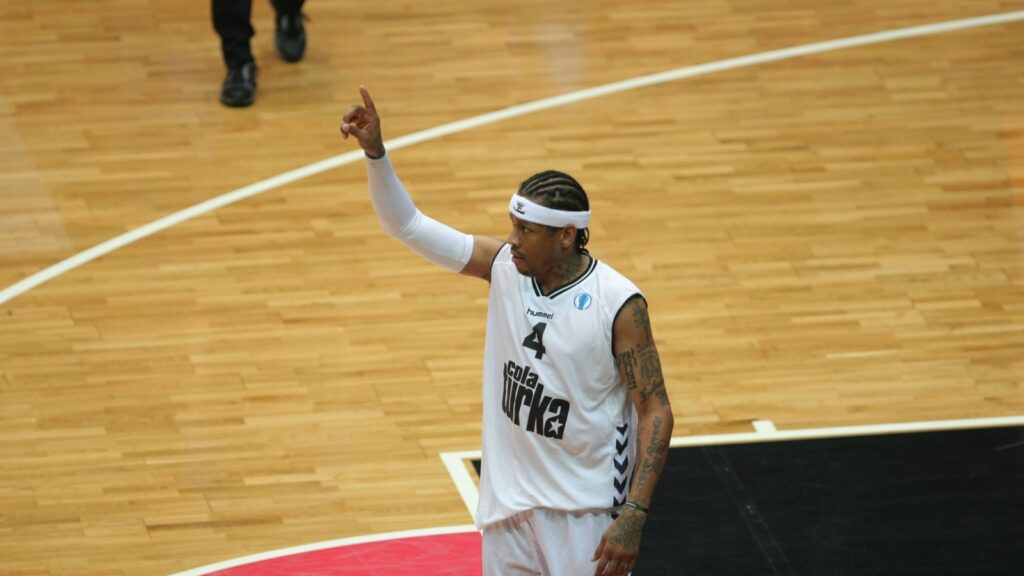
Allen Iverson began wearing an arm sleeve on January 21, 2001, due to bursitis, causing his right elbow to swell significantly. Sixers trainer Lenny Currier created a compression sleeve from stockinette material to help Iverson manage the painful condition. That same night, Iverson scored 51 points against the Toronto Raptors.
The sleeve became Iverson’s signature accessory throughout his career and sparked a massive trend across all levels of basketball worldwide. By 2008, arm sleeves had become the most popular non-apparel items sold by the league in the NBA, according to NBA Store representatives. Iverson reached the Finals in 2001 but never captured a championship despite his cultural impact.
Wilt Chamberlain and Multiple Rules
The most dominant player in basketball history forced the league to change rules on multiple occasions.
Wilt Chamberlain was so athletically superior that he could throw the ball toward the basket during free throws and dunk it. He would take two steps after releasing the ball and slam it through before it descended naturally. His physical dominance around the basket was unmatched in his era.
The NBA banned crossing the free-throw line plane during free-throw attempts specifically because of Chamberlain’s unique approach. The league also widened the lane from 12 feet to 16 feet in 1964 to reduce his effectiveness near the rim. Chamberlain won two championships, but most rule changes occurred during seasons where he fell short.
George Mikan’s Lane Widening Legacy
The first NBA superstar forced the league to literally redraw the court to limit his dominance.
George Mikan stood six feet ten inches and revolutionized basketball as the game’s first true dominant big man during the late 1940s. The NBA widened the free-throw lane from 6 feet to 12 feet in 1951 to push him farther from the basket and give opponents a fighting chance. The change became known as the Mikan Rule.
However, Mikan does not qualify for this list because he won five NBA championships with the Minneapolis Lakers between 1949 and 1954. His impact on rule changes remains legendary, even though he achieved championship success unlike others mentioned here. The lane widening fundamentally altered how basketball would be played for generations.
The Broader Impact on Modern Basketball
Rule changes designed to limit individual dominance have shaped today’s faster, more balanced style of play.
These rule changes collectively pushed basketball toward a more balanced offensive approach, emphasizing ball movement and spacing over individual dominance. The restrictions on backing defenders down and kicking legs out forced players to develop more versatile skillsets. Modern stars must adapt to rules created because of past legends.
The evolution continues as each generation produces players who test the boundaries of what rules permit and prompt new adjustments. Championships define careers in public memory, but rule changes define how the game itself evolves across decades. These players without rings achieved a different form of basketball immortality.
TL;DR
- Charles Barkley’s physical backing down style led to the five-second rule limiting post-ups below the free-throw line.
- Reggie Miller’s leg kick on jump shots prompted stricter enforcement against shooters creating unnatural contact with defenders.
- Trent Tucker’s 0.1-second shot resulted in the rule requiring 0.3 seconds minimum for catch-and-shoot attempts.
- Allen Iverson popularized the arm sleeve as both a medical necessity and a cultural fashion statement across all of basketball.
- These players changed how basketball is played forever, despite never winning NBA championships during their careers.
Read More:
- NBA legends who quietly built dynasties behind the scenes
- The NBA mistakes rebuilding teams keep repeating
- The hidden NBA stats casual fans never notice
This article was made with AI assistance and human editing.