Baseball’s greatest rivalries didn’t just shape seasons; they shaped entire eras of the sport.
These matchups carried history, personality clashes, and high-stakes drama that fans still talk about today. From coast-to-coast showdowns to century-long grudges, rivalries turned ordinary games into must-watch events.
Many of these battles defined how teams built rosters and how players approached pressure moments. They created icons, unforgettable highlights, and generations of loyal fanbases.
Let’s take a closer look.
The Yankees–Red Sox rivalry set the standard
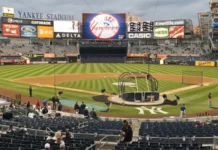
Few rivalries in sports carry the weight and history of the Yankees–Red Sox.
This rivalry took shape long before the modern era, fueled by trades, heartbreaks, and postseason showdowns. Its turning point came with Babe Ruth’s sale to New York in 1919, a moment that shifted baseball’s power balance for decades.
The intensity heightened during the late 20th century as both teams fought for AL supremacy. The 1970s saw heated confrontations, and the 2003–2004 ALCS battles cemented this rivalry in modern lore. Boston’s historic comeback from a 3–0 deficit in 2004 remains one of the sport’s defining postseason moments.
Dodgers vs. Giants brought West Coast electricity
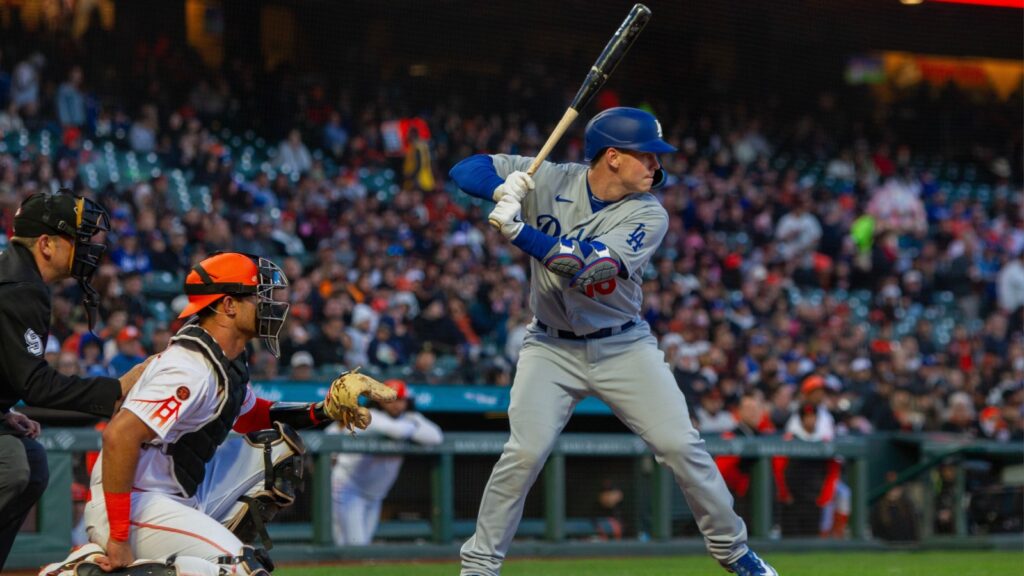
The Dodgers–Giants rivalry transitioned flawlessly from New York to California.
Originally born in the 19th century, it became a fierce contest between borough-loyal fanbases in New York. When both franchises moved west in 1958, they brought their animosity and history along with them.
The rivalry gained a new identity as the teams became pillars of West Coast baseball. From the Willie Mays era to the Dodgers’ modern surge, they repeatedly battled for division titles. Games between the two still draw massive crowds and deliver tight, emotional finishes.
Cardinals–Cubs rivalry defined Midwest baseball
The Cardinals–Cubs rivalry is built on geography, tradition, and contrasting team identities.
Separated by a short train ride, the teams built a century-long competition shaped by fan energy. Their matchups often dictated summer conversations across the Midwest.
The rivalry intensified with divisional realignment and modern postseason stakes. The 2015 NLDS marked their first playoff meeting and added historical significance. Even in rebuilding years, Wrigley vs. Busch matchups remain some of MLB’s most anticipated games.
The 1970s Yankees–Athletics clash fueled postseason battles
The 1970s created a unique rivalry between the powerhouse Yankees and the dynasty-building Athletics.
Oakland dominated early in the decade with three straight titles from 1972–74. Their blend of swagger, power, and personality made every matchup a spectacle.
By the mid-1970s, the Yankees emerged as the A’s biggest playoff threat. Their ALCS battles featured tight pitching duels and high-drama moments. This rivalry helped shape the era’s postseason identity and showcased the sport’s growing popularity on national TV.
Braves–Mets rivalry lit up the NL East
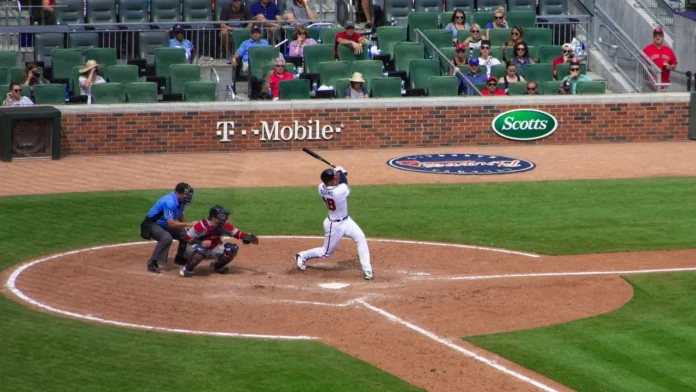
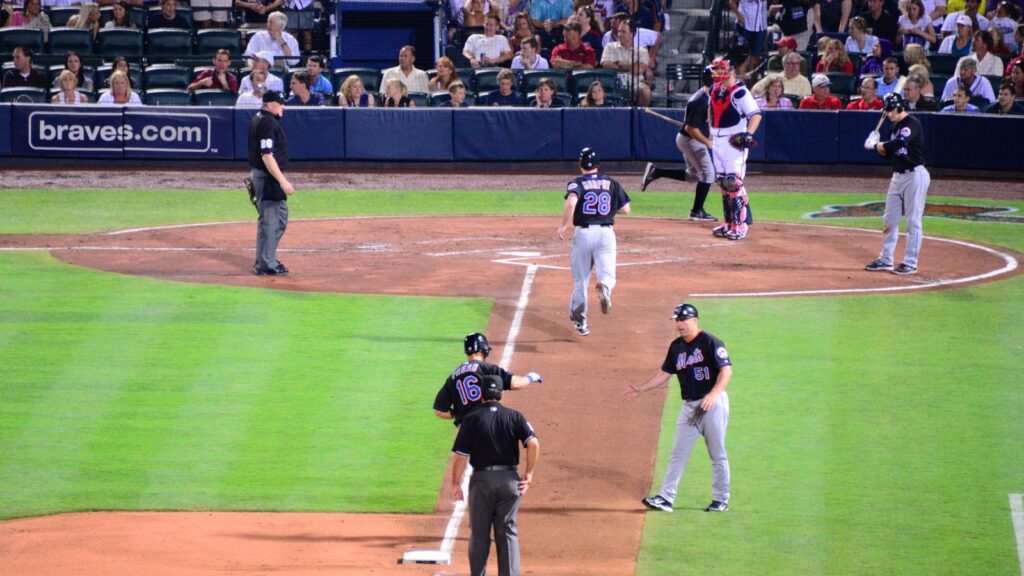
The Braves–Mets rivalry captured a new generation of fans during the 1990s and early 2000s.
Atlanta dominated the NL East behind its elite pitching rotation. The Mets, chasing postseason relevance, repeatedly collided with the Braves in crucial divisional matchups.
Their 1999 battles, including the NLCS, defined the height of their competition. Games were emotional, fiery, and filled with standout performances. Even as both franchises evolved, that era remains one of the most storied in division history.
The Red Sox–Yankees player feuds added character
Individual rivalries helped elevate the Yankees–Red Sox tension even further.
Players like Pedro Martínez and Derek Jeter symbolized opposite sides of baseball culture. On-field altercations, including the famous 2003 ALCS brawl, became defining moments.
These player-driven storylines brought added fire to every matchup. Fans anticipated each head-to-head appearance, knowing emotions often ran high. It showed how personal competition could amplify team-wide rivalry energy.
The Tigers–White Sox rivalry powered the AL Central
Though not as nationally recognized, Tigers–White Sox matchups shaped several AL Central races.
During the early 2000s and mid-2010s, both teams fought for postseason relevance. Their rosters often featured big personalities and powerful hitters.
Games between them routinely carried playoff implications. Detroit’s strong pitching staffs collided with Chicago’s heavy bats. Their clashes produced memorable late-season drama year after year.
Yankees–Dodgers brought historic World Series stakes
Yankees–Dodgers is one of baseball’s most iconic cross-league rivalries.
This matchup defined multiple World Series through the 1940s, ’50s, and ’60s. The teams brought contrasting styles and enormous fan bases to every clash.
Their rivalry symbolized the sport’s expanding reach and evolving identity. From Jackie Robinson’s era to Reggie Jackson’s heroics, these matchups created timeless highlights. Even today, interleague meetings still feel like marquee events.

The Phillies–Mets rivalry sparked East Coast tension
The Phillies–Mets rivalry peaked in the late 2000s with playoff races filled with drama.
Both teams fielded talented lineups with strong personalities. Their games often featured tight finishes and intense crowd reactions.
The rivalry created a defining chapter for NL East baseball. Late-season collapses, comeback wins, and vocal fanbases intensified every meeting. It stands as one of the division’s most exciting eras.
How rivalries shaped baseball’s culture
Rivalries didn’t just impact standings; they shaped how fans connected with the sport.
They influenced player legacies, media attention, and team identity. Generations grew up associating specific teams with unforgettable October moments.
These rivalries helped baseball evolve alongside American culture. They made the sport more accessible, emotional, and nationally captivating. From coast to coast, they gave fans something bigger to cheer for.
Why rivalries still matter today
Modern baseball continues to thrive because rivalries remain at its core.
Even as the game changes, long-standing matchups retain their emotional pull. Fans circle rivalry dates on the schedule months ahead. The next generation will build its own rivalry moments. Whether through new stars, postseason battles, or historic comebacks, rivalries evolve with the sport. But their impact remains timeless.
TL;DR
- Baseball’s golden eras were defined by rivalries that shaped seasons and fan culture.
- Yankees–Red Sox, Dodgers–Giants, and Cardinals–Cubs led the sport’s most historic battles.
- Playoff clashes, player feuds, and regional identities fueled these iconic matchups.
- Rivalries continue to anchor baseball’s identity and fan passion today.
Read More:
The Rise of Two-Way Players in Modern Baseball
How MLB Teams Use Sports Psychology to Gain an Edge
Why Left-Handed Pitchers Have Always Been MLB’s Biggest X-Factor
This article was made with AI assistance and human editing.