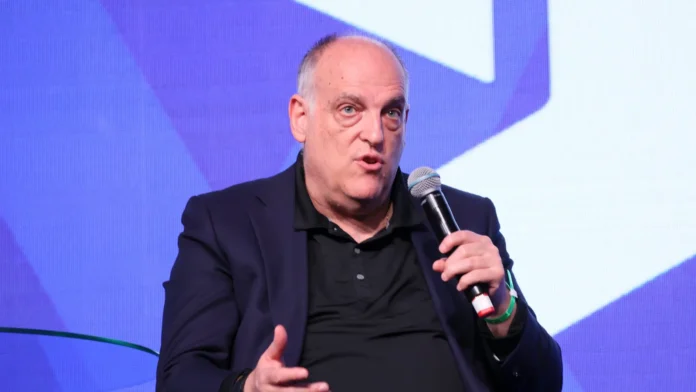
Javier Tebas calls for Infantino exit
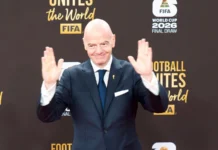
FIFA President Gianni Infantino faced a public resignation call from La Liga President Javier Tebas on July 21, 2026, two days after Spain won the World Cup final in New Jersey.
Tebas told La Gazzetta dello Sport that Infantino’s time should end. He argued that federation support protects the FIFA president and discourages potential challengers from entering the scheduled March 2027 election.
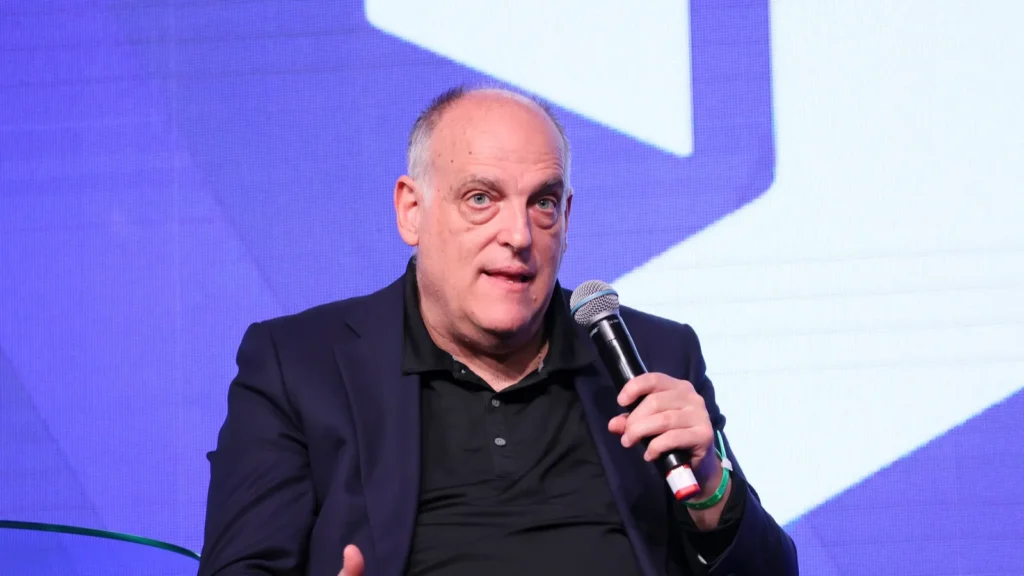
Javier Tebas criticizes FIFA governance
Tebas described FIFA’s system as “rotten at its core.” He said critics privately oppose Infantino but avoid entering the presidential election because they expect to lose to the heavily supported incumbent.
His comments focused on FIFA governance rather than Spain’s World Cup victory. More than 200 member associations had pledged support for Infantino before the presidential vote scheduled for March 18, 2027.
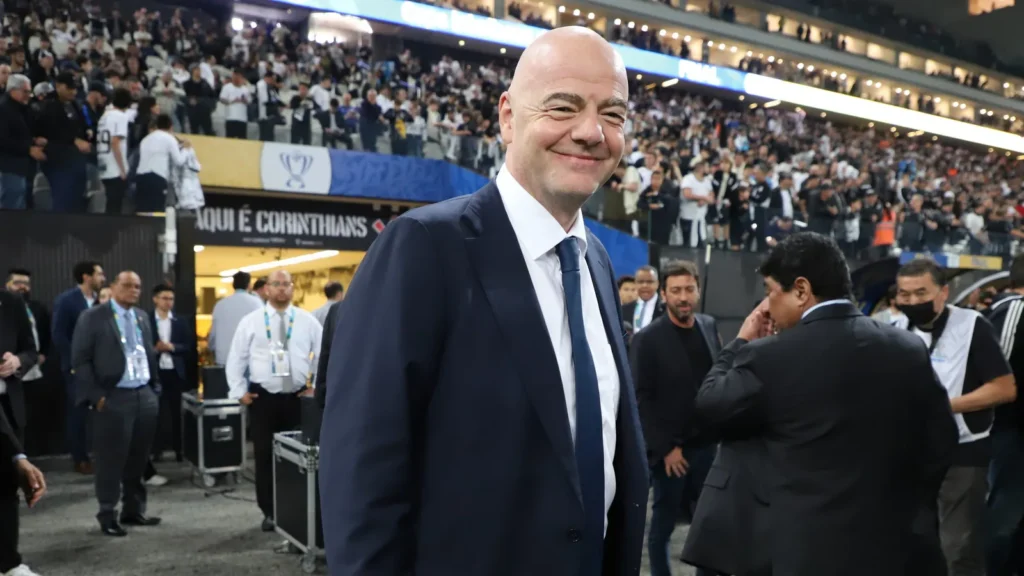
Gianni Infantino seeks another term
Infantino became FIFA president in 2016 and said in April 2026 that he intended to stand for re-election. The vote for the 2027-31 term is scheduled for March 18, 2027, in Rabat, Morocco.
More than 200 of FIFA’s 211 member associations had reportedly backed Infantino for another term. No major opposing candidate had entered the presidential race publicly as of July 24, 2026.
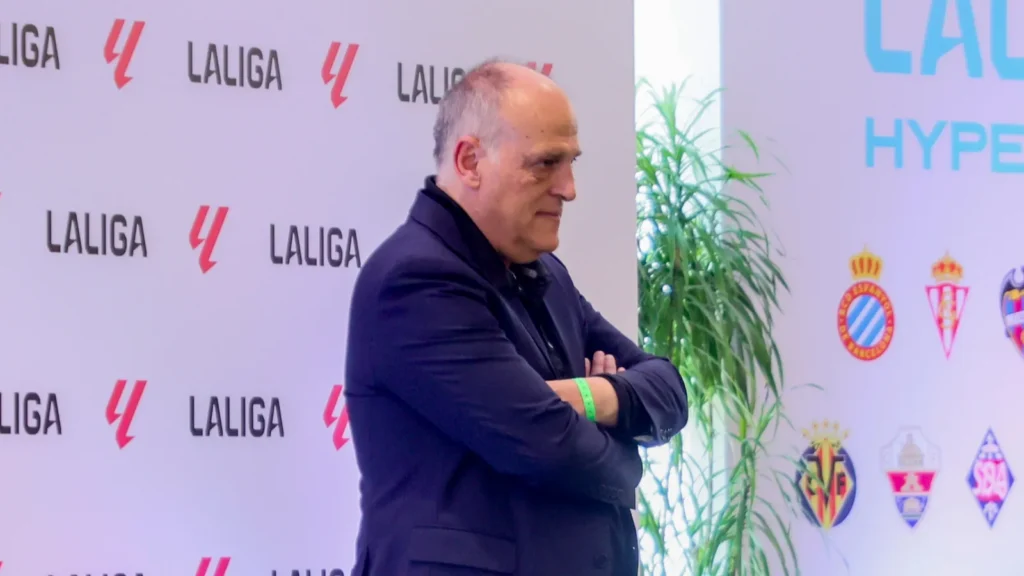
Javier Tebas defends domestic leagues
Tebas argued that expanding international competitions harms domestic leagues. He said national competitions sustain football and support tens of thousands of jobs through clubs and regular activity across every annual season.
He contrasted that structure with a World Cup lasting about 40 days and involving a minority of players. Tebas said FIFA’s expansion decisions threaten the wider football industry operating throughout the year.
FIFA considers 64-team World Cup
CONMEBOL formally proposed expanding the 2030 World Cup from 48 to 64 teams. FIFA had discussed the proposal but had not approved the planned change globally as of July 24, 2026.
The 2030 tournament will stage matches in Spain, Portugal, Morocco, Argentina, Paraguay, and Uruguay. Tebas said that increasing participation would place further pressure on domestic competitions and the crowded international calendar.
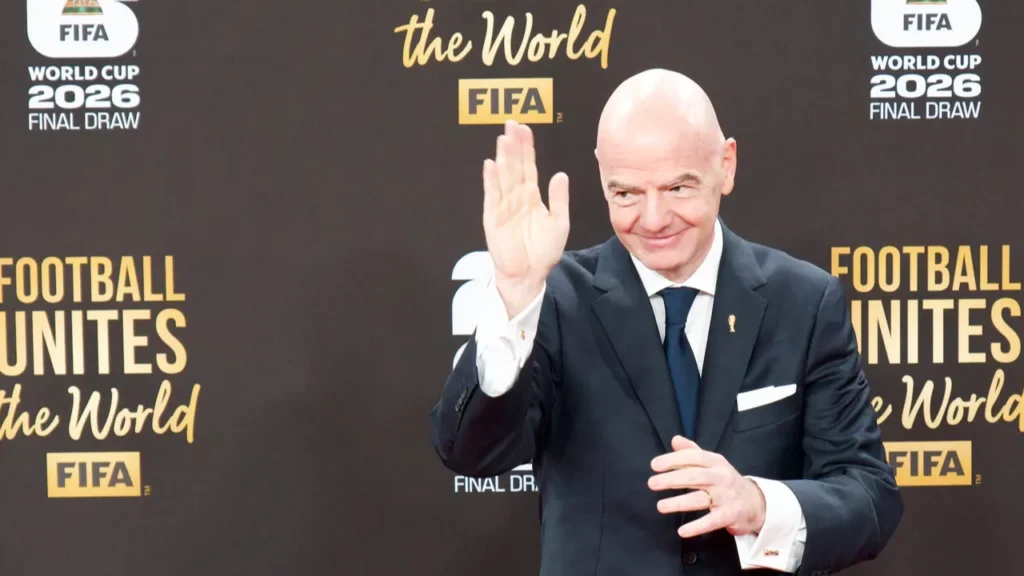
FIFA mandates hydration breaks
FIFA required 3-minute hydration breaks midway through both halves of every 2026 World Cup match. The policy applied across all 104 games, including matches played in cooler conditions or covered venues.
FIFA used the rule to support player welfare during a tournament played across varied summer conditions. Critics said the scheduled pauses disrupted match rhythm and created additional advertising opportunities for broadcasters.
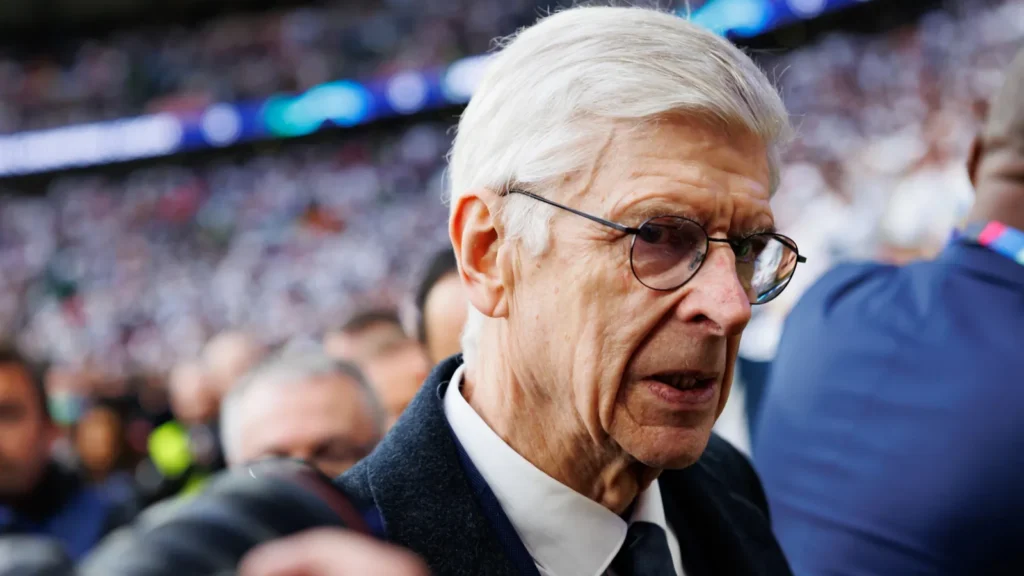
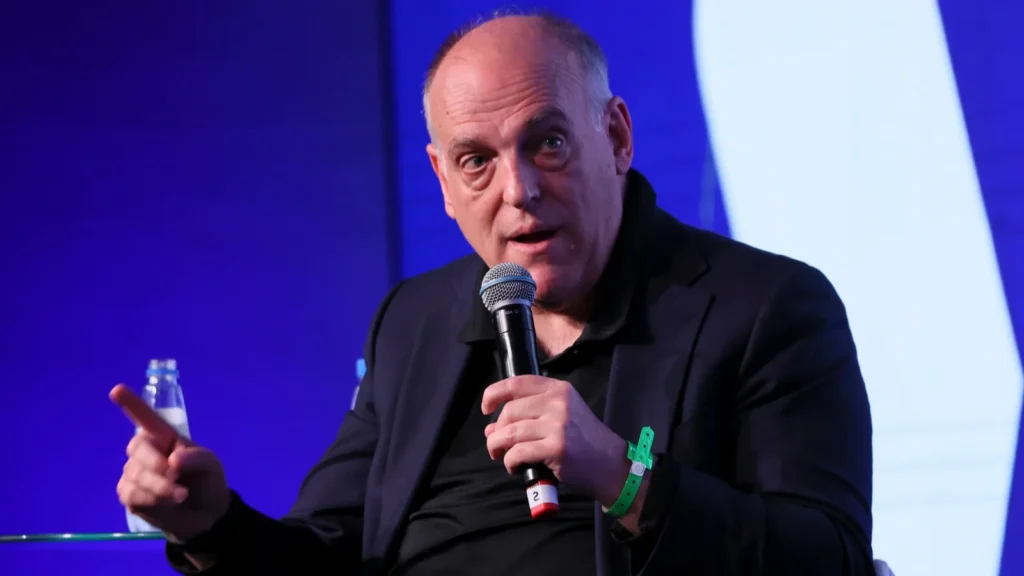
Javier Tebas rejects break policy
Tebas called the hydration policy misleading because La Liga uses cooling breaks only during genuine heat. Other critics also questioned the need for mandatory breaks in cooler conditions or covered venues.
Arsène Wenger, FIFA’s chief of global football development, said the breaks did not appear to affect match results. FIFA planned a post-tournament review before deciding whether to use them in future competitions.
FIFA extends World Cup halftime
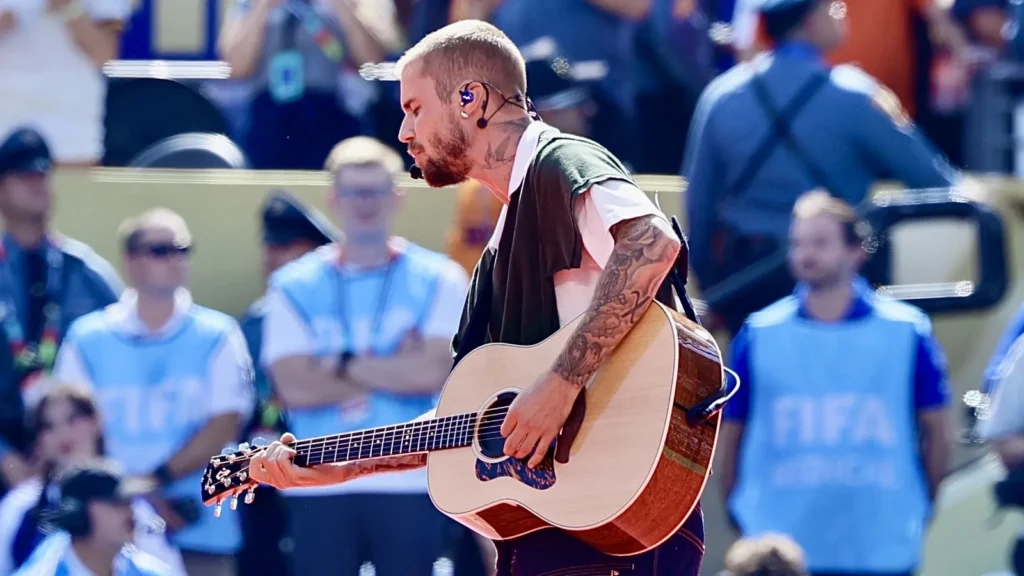
The World Cup final featured a 27-minute halftime interval instead of the standard 15. Spain defeated Argentina 1-0 after extra time at New York New Jersey Stadium on July 19, 2026.
Tebas linked the extended interval to FIFA’s commercial priorities. The final included a halftime entertainment show, which added to public debate over the tournament’s growing use of scheduled presentation breaks worldwide.

FIFA projects record revenue
FIFA projected about $8.9 billion in revenue in 2026, with broadcasting rights accounting for the largest share. The expanded 48-team World Cup included 104 matches and increased ticketing, sponsorship, and television inventory worldwide.
Infantino later said FIFA’s revenue for the entire 2023 to 2026 financial cycle could exceed $15 billion. The estimate covers the entire 4-year cycle rather than just the World Cup tournament.
Supporters demand FIFA reforms
Football Supporters Europe criticized high ticket prices, transportation costs, communication failures, and governance decisions during the tournament. The organization called for structural reforms involving clubs, leagues, players, supporters, FIFA Council, and Congress.
Its statement argued that commercial spectacle received greater attention than matchgoing supporters. The group also questioned FIFA’s relationship with political leaders and said the tournament damaged trust in global football governance.
Javier Tebas warns about jobs
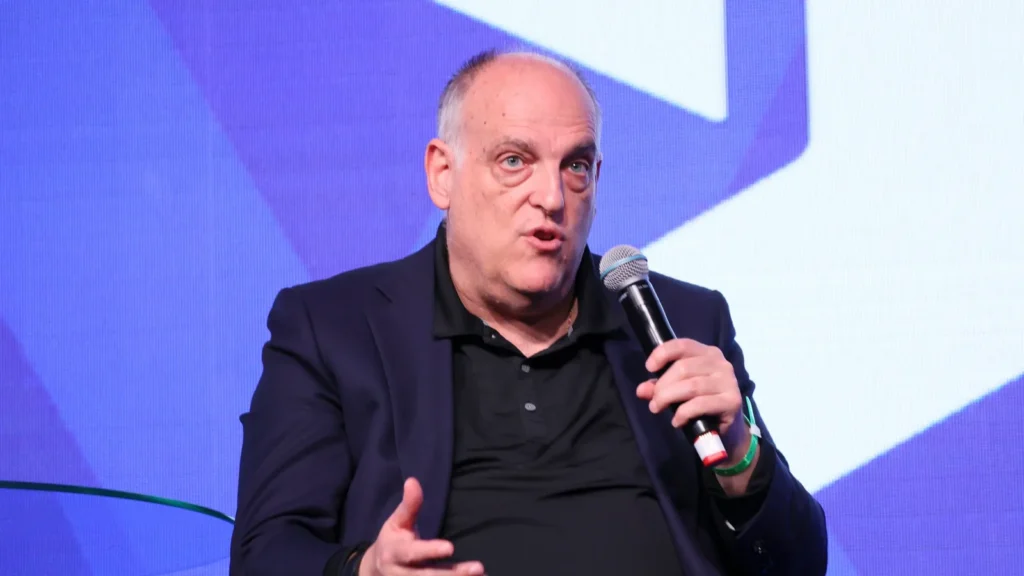
Tebas said the wider football industry generates tens of thousands of jobs and depends on domestic competitions. He argued that FIFA was prioritizing a 40-day tournament involving a minority of players.
His criticism framed international expansion as both an economic and a sporting issue. Tebas said domestic leagues require greater protection because they support year-round competition, employment, and the broader professional football system.
FIFA defends global investment
FIFA says World Cup revenue supports football development across its 211 member associations. Infantino argued that higher income enables the organization to fund football programs and infrastructure projects globally.
FIFA expects Forward development investment to reach $2.7 billion during the 2027 to 2030 cycle. The organization says it has invested $5.1 billion in global football development during Infantino’s presidency.
Erling Haaland’s response turned Tom Holland’s dinner invitation into a possible celebrity meeting. Dive into how the invitation began and what brought the Manchester City striker and ‘Spider-Man’ actor into the same conversation.
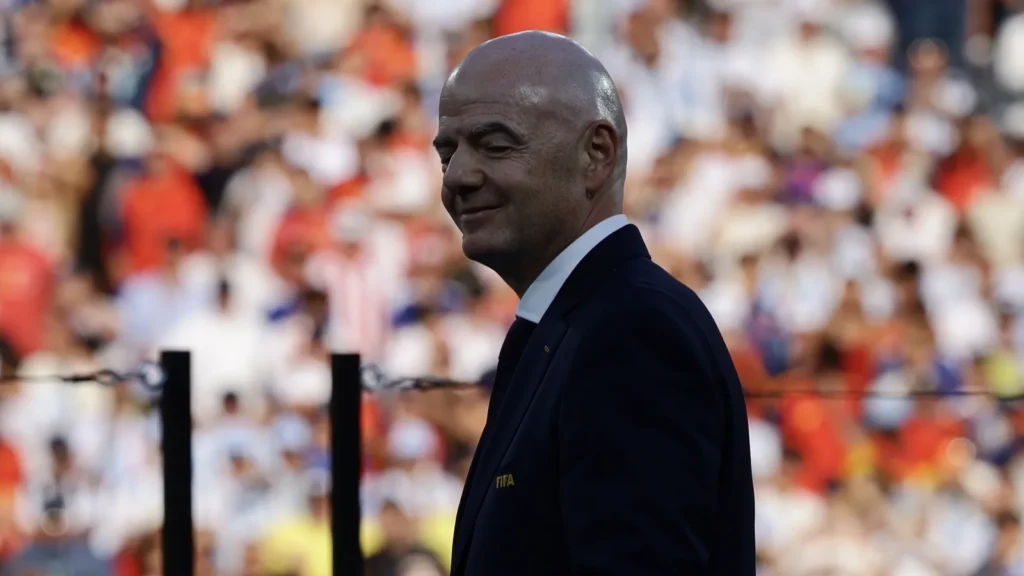
Gianni Infantino retains support
Tebas’ resignation demand gained attention because he leads Spain’s top professional league. His comments followed Spain’s World Cup victory and focused on governance, tournament expansion, commercial policy, and domestic football interests.
Infantino remained FIFA president as of July 24, 2026. With reported support from more than 200 member associations and no major announced challenger, Tebas’ criticism did not immediately alter FIFA’s leadership position.
Donald Trump’s appearance at the World Cup trophy ceremony drew a divided reaction from the crowd. Dive into what triggered the boos and how the moment unfolded during the post-match presentation.
Should FIFA protect domestic leagues more closely, or does Gianni Infantino’s global expansion strategy justify Javier Tebas’ criticism? Like the post and share your thoughts in the comments below!
This slideshow was made with AI assistance and human editing.
Read More From This Brand: