Stephen A. Smith criticizes WNBA policy
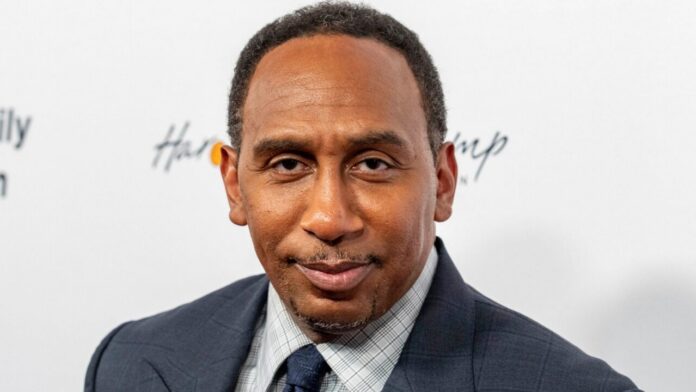
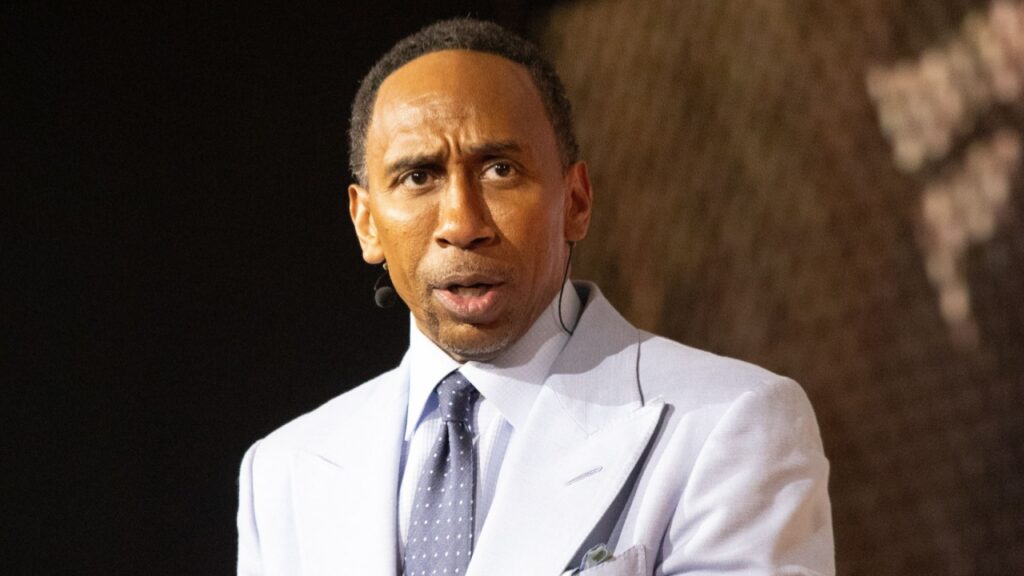
Stephen A. Smith said the WNBA created an opening for political attacks by failing to explain certain player eligibility rules clearly. He directed his criticism at league leadership rather than individual players.
Smith argued that clearer standards and firmer public guidance could reduce confusion when outside groups enter league debates. His comments focused on governance, consistency, and the WNBA’s response when disputes become political.
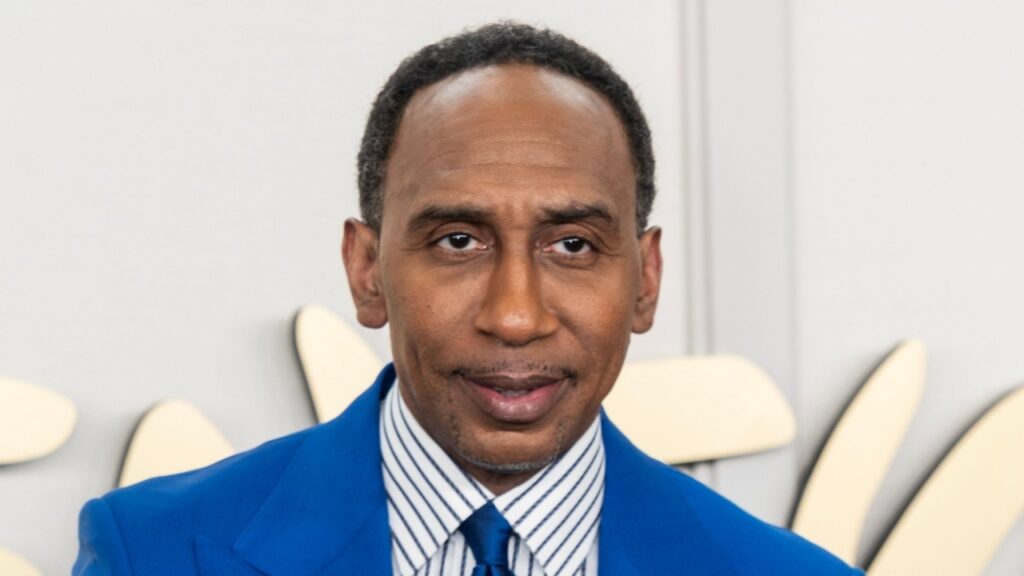
Stephen A. Smith cites league leadership
Smith said the WNBA needs stronger leadership when public controversies reach the league. He argued that uncertainty gives political groups more room to shape discussion across professional women’s basketball.
He emphasized that his criticism targeted the league office rather than players. Commissioner Cathy Engelbert separately told team leaders that disputed policy questions would receive more discussion through league meetings and listening sessions.

WNBA says no immediate eligibility matter exists
The WNBA said on Aug. 12 that there were no immediate eligibility matters affecting the league. It also said it would continue discussions with stakeholders in the coming weeks and months.
Engelbert had already described the subject as complex and nuanced in a memo to team presidents and general managers. She said the league would continue conversations with teams and the Players Association and offer additional discussions and listening sessions.

WNBA agreement sets eligibility rules
The WNBA collective bargaining agreement contains basic player eligibility language and draft requirements. Public debate increased because critics argued that the existing wording did not answer every possible future scenario.
That uncertainty became central to Smith’s criticism. He said the league should establish clearer standards to prevent future disputes from escalating, while the WNBA maintained that no immediate eligibility issue affected the current competition.

Enes Kanter Freedom challenges policy
Former NBA player Enes Kanter Freedom announced plans involving the 2027 WNBA Draft and said he wanted to challenge the league’s eligibility language. His public declaration did not establish formal eligibility.
Royce White made a similar announcement shortly afterward. The WNBA did not rule that either former NBA player qualified for the draft, and league officials said no immediate eligibility matter affected current competition.
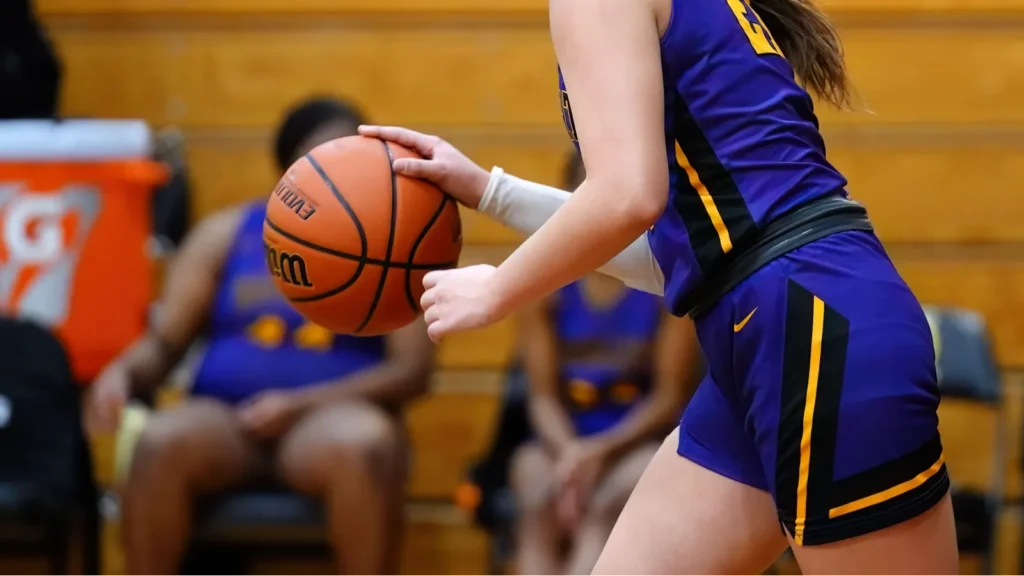
Sophie Cunningham enters wider debate
Indiana Fever guard Sophie Cunningham became part of the wider debate after a July 21 profile included comments she had made earlier about rules governing women’s athletic competition more broadly.
Cunningham later said she had answered a question rather than independently starting the discussion. She also said she wanted public attention to return toward basketball while Indiana continued its 2026 season.
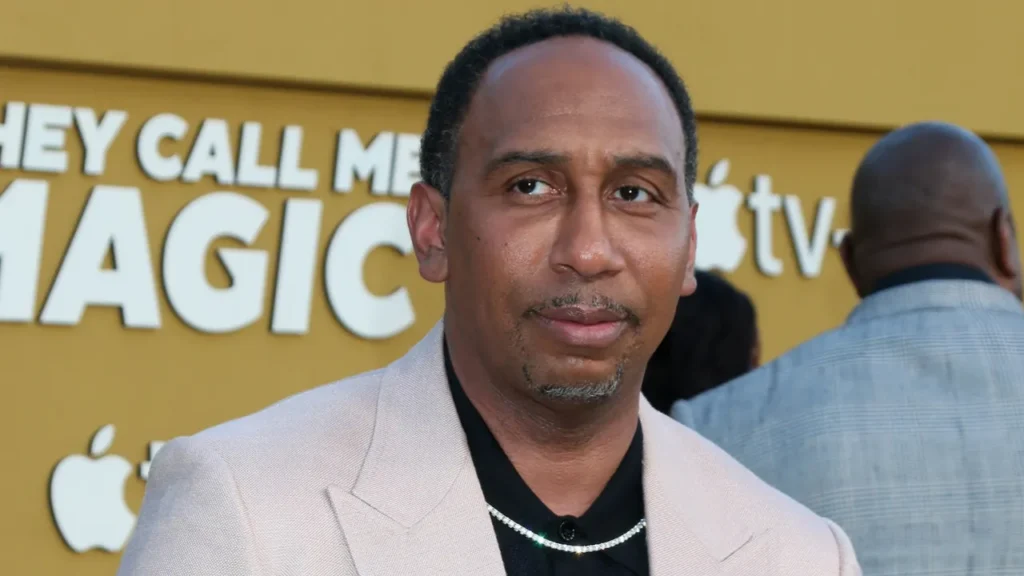
Stephen A. Smith backs Cunningham
Smith said he supported Cunningham’s position on protecting women’s athletic competition while questioning how political figures responded to her. He argued that the issue had become increasingly tied to partisan messaging.
His criticism went beyond agreement with Cunningham. Smith said the WNBA should remove uncertainty through clearer policy because unresolved questions give political actors more room to define public debate around the league.

James Uthmeier enters WNBA debate
Florida Attorney General James Uthmeier entered the conversation after DiJonai Carrington received a Flagrant Foul 2 during an August 8 game between Chicago and Indiana at the United Center in Chicago.
Uthmeier said similar conduct in Florida could result in legal action. No criminal charges were filed against Carrington, and the WNBA game occurred in Chicago rather than Florida that weekend.
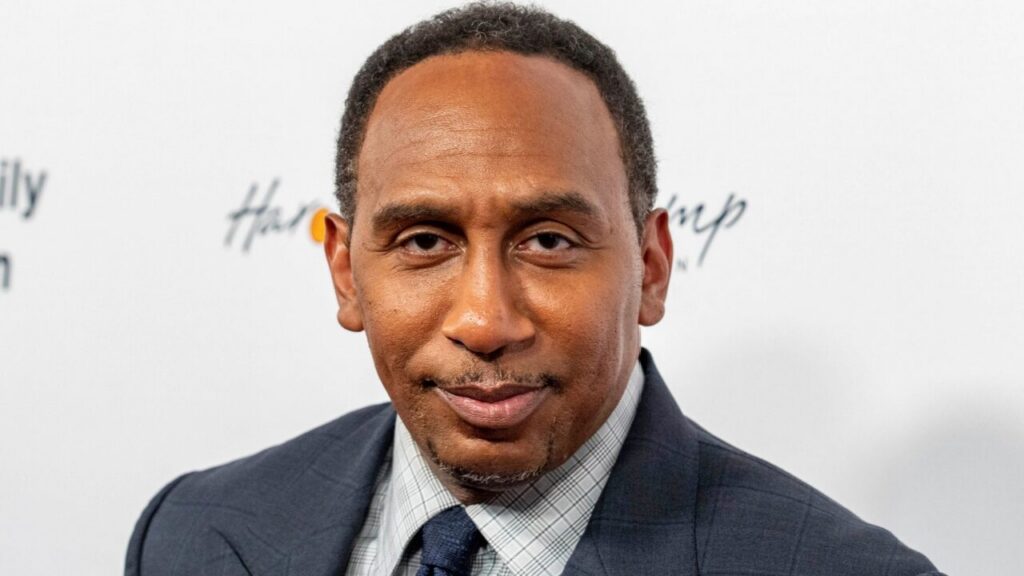
Stephen A. Smith questions response
Smith questioned whether Uthmeier would have reacted the same way if a player with different political views had been involved. He presented that possibility as speculation rather than a confirmed motive.
Smith also said complaints about politicization were not enough. He argued that league leaders needed clearer standards and stronger decisions if they wanted fewer outside groups in the discussion of professional women’s basketball.
Fun fact: Stephen A. Smith has played tech expert Brick on the soap opera General Hospital since 2016, turning a lifelong viewing habit into an acting side gig.
WNBA expands policy discussions
Engelbert told team presidents and general managers that the league would continue discussing disputed policy questions. She described the subject as complex and said additional listening sessions would be offered.
The WNBA later discussed the issue during an anti-hate task force meeting that also addressed online abuse directed at players. League officials said stakeholder conversations would continue in the coming months.
WNBA calls for respectful debate
The WNBA also said public debate should not demean or marginalize people. The statement framed respectful treatment as part of the league’s broader response while policy discussions with stakeholders continued.
That position accompanied the league’s message that no immediate eligibility matter affected competition. Officials said further conversations would continue, leaving any broader policy response subject to additional review and discussion.
WNBA enters major business change
The policy debate comes during a period of major business change for the WNBA. A new seven-year collective bargaining agreement began in 2026 and officially runs through the 2032 season.
That agreement created a $7 million salary cap for 2026 and introduced broader revenue sharing for players. The league projected more than $1 billion in salaries and benefits across the seven-year deal.
Caitlin Clark made WNBA history again with her fourth career triple-double, adding another milestone to her fast-rising résumé. Dive into the numbers behind the performance and why the league celebrated the moment.
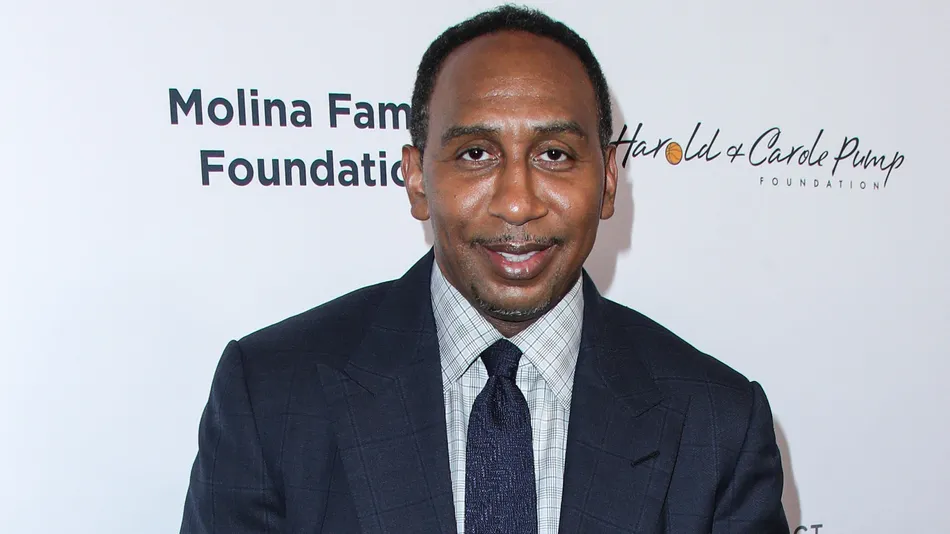
Stephen A. Smith calls for clearer rules
Smith’s central argument is that the WNBA should clarify disputed eligibility rules before political controversy grows further. He blamed league leadership for leaving uncertainty while also criticizing political actors who use that uncertainty to shape the debate.
The WNBA has said there are no immediate eligibility matters affecting the league and that it will continue discussions with stakeholders. Because player eligibility rules are collectively bargained, any change would need to be negotiated with the WNBA and WNBPA through the formal bargaining process.
Megyn Kelly’s criticism of Caitlin Clark quickly drew backlash from fans and commentators. Dive into what Kelly said, why the remarks caused such a strong reaction, and how Clark became part of the debate.
Do you agree with Stephen A. Smith that clearer WNBA rules would reduce political disputes, or should the league handle these questions differently? Share your thoughts in the comments below!
This slideshow was made with AI assistance and human editing.
Read More From This Brand: