
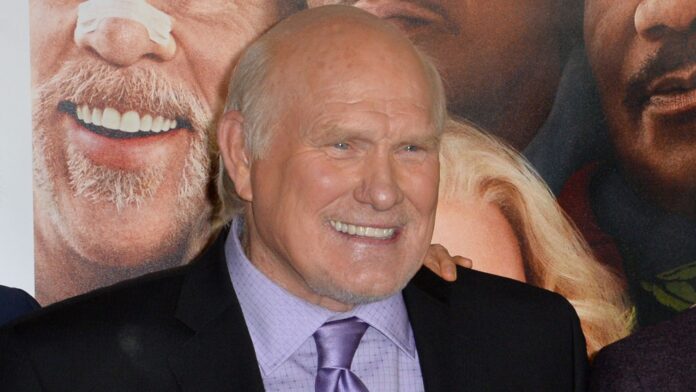
Terry Bradshaw has spent more than five decades around football, first as a quarterback and later as a television voice. The four-time Super Bowl champion sees a league shaped by technology, replay, and precision. During an appearance on Real Time with Bill Maher, Bradshaw argued that those changes have altered the character of the sport.
He said the NFL is chasing a “perfect game” at the expense of mistakes and emotion. His comments renewed debate over whether officiating improves football or diminishes its spontaneity. The discussion comes as the league continues to expand replay technology and officiating support.
Bradshaw believes the NFL has become too analytical
Bradshaw’s central complaint was about the growing role of technology in determining what happens on the field. Speaking with Maher, he pointed to high-definition video, numerous cameras, and replay as tools that can turn tiny movements into reasons for penalties or overturned plays.
“It’s just that they’ve just made the game too analytical,” Bradshaw said during the discussion. He argued that football loses something when every play can be dissected after the whistle, particularly when replay reveals technical details that were difficult to see in real time.
The former Steelers quarterback specifically contrasted today’s precision with the imperfections of his playing era. He said collisions, pass interference, bad calls, angry fans and the artistry of an exceptional play were part of what made football great. Bradshaw remains part of the modern NFL’s television ecosystem through his long-running role with FOX.
His decades at FOX have given him a close view of how broadcasts, replay and officiating have changed alongside the sport itself. He also questioned whether every close call needs to be settled conclusively, arguing that some uncertainty was part of the football experience he remembers.
The NFL has built an increasingly sophisticated replay system
The league’s current replay operation is far more extensive than the system Bradshaw experienced as a player. The NFL’s Art McNally GameDay Central in New York works with replay officials and on-field crews, using synchronized camera angles and other technology during reviews.
The system now covers scoring plays, turnovers, failed fourth-down attempts, clock situations and other reviewable situations. The NFL says its replay process is designed to make reviews faster and more accurate while preserving the referee’s role in making the final ruling.
The league’s technology has also evolved well beyond the old sideline monitor. Since 2021, the NFL has used Hawk-Eye technology to review multiple time-synchronized angles, while referees use Microsoft Surface tablets rather than the traditional “under the hood” setup.
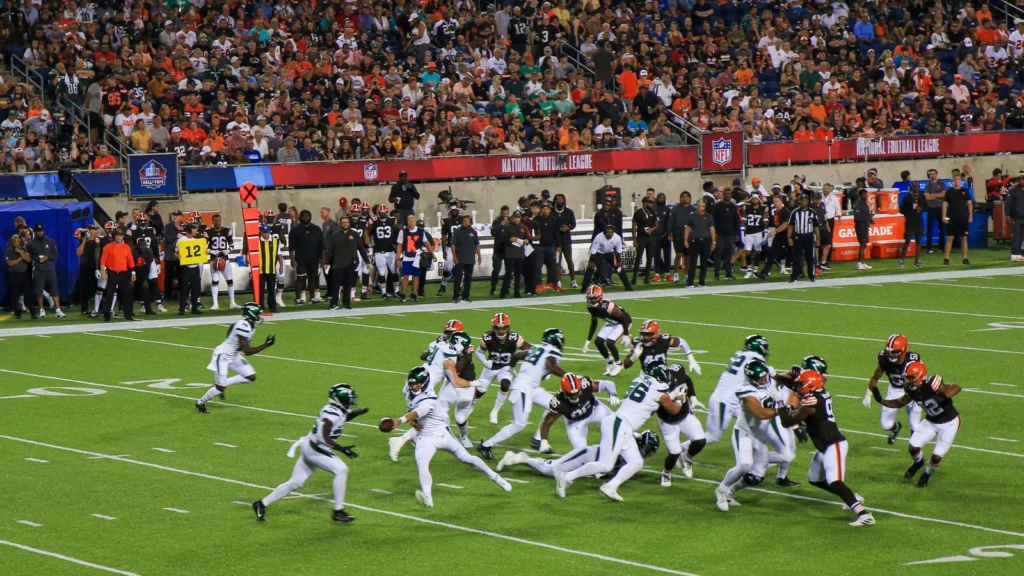
The 2026 rulebook continues to define replay and officiating support. A 2025 rule change expanded Replay Assist, so league personnel can advise officials on specific, objective aspects of a play when clear and obvious video evidence exists. The 2026 rules separately allow league personnel to consult officials about potential player disqualifications.
Bradshaw’s criticism goes beyond the replay itself
Bradshaw’s comments were also connected to the broader differences between his era and today’s NFL. He argued that modern players should not automatically be judged against earlier generations because they played under different rules and in a different football environment.
That distinction matters when Bradshaw discusses quarterbacks from different eras. Rules governing contact with receivers, protection for quarterbacks, and the use of replay have changed significantly, making direct comparisons more complicated than simple statistics or championship totals.
Bradshaw also pushed back on the idea that the most decorated quarterback should automatically be considered the greatest player ever. During the same conversation, he acknowledged Tom Brady’s seven Super Bowl victories while emphasizing that players from different eras operated under different conditions.
His comments fit a pattern that has followed Bradshaw throughout his broadcasting career. He has remained outspoken about changes in the sport, including player safety, quarterback play, and how modern football is evaluated. It has also made Bradshaw a recognizable voice in discussions about how the game continues to evolve.
Fun fact: The NFL first tested instant replay during the 1978 preseason, adopted it for the regular season in 1986, rescinded the system in 1992 and brought it back in 1999.
The debate reflects two different ideas of what football should be
The NFL’s approach is built around getting important decisions right. Its replay system uses centralized support, multiple camera angles, and clear-and-obvious evidence standards, while league officials review plays throughout the season to improve consistency.
Bradshaw’s perspective places greater value on the uncertainty of a live game. His preference is for the artistry of a play to survive small imperfections rather than being erased because a replay reveals a technical violation that was difficult to see in real time.
Neither side of the debate changes the fact that football has become more technologically precise. The league has invested heavily in tools that can identify details unavailable to officials and fans during Bradshaw’s playing career, and those tools now influence decisions at nearly every stage of a game.
Bradshaw’s remarks, therefore, land on a familiar fault line between accuracy and spontaneity. His generation saw a game in which officials had fewer ways to correct mistakes, while today’s NFL has made video review a central part of how controversial plays are settled. The disagreement is not simply about nostalgia. It reflects a tradeoff between correcting errors and preserving the immediacy of a live contest.
TL;DR
- Terry Bradshaw says the modern NFL has become too analytical in its pursuit of a “perfect game.”
- He argues that collisions, pass interference, bad calls, angry fans, and the artistry of great plays helped define football.
- The NFL now uses centralized replay support, synchronized video and Hawk-Eye technology to assist officiating.
- Bradshaw’s comments highlight his preference for some uncertainty while the NFL continues using technology to assist officials during reviews.
If you liked this story, don’t forget to follow us for more exclusive content.
This article was made with AI assistance and human editing.
If you liked this, you might also like: