Hockey is one of the most exciting and physical sports in the world. The sound of skates cutting into the ice, the sharp crack of a stick, and the roar of the crowd all make the game thrilling. But one part of hockey that grabs the most attention is the body check.
When two players collide near the boards or in open ice, fans often jump to their feet in excitement. However, body checking is not just about crashing into someone; it is a skill that takes timing, precision, and respect for the game.
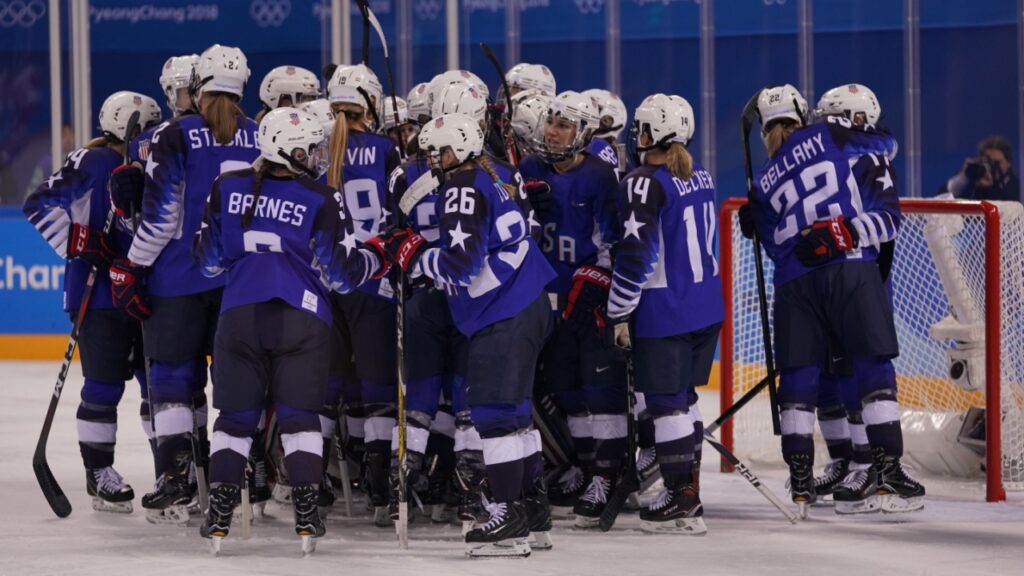
Many people outside hockey see checking as intimidation or violence. But in reality, it is an important part of the game’s strategy and defense. When done right, it can change the flow of a match, stop an opponent’s attack, or help regain puck control.
When done wrong, it can lead to penalties, injuries, or even fights. To truly understand checking, we have to see it not as brute force but as a craft that blends power, timing, and awareness.
The Purpose and Technique of Checking
Understanding the Role of Checking
The main goal of a body check is not to hurt someone but to separate an opponent from the puck. It is a defensive move used to stop offensive plays, regain possession, or slow down fast players. Every check should serve a purpose.
Good players know that reckless hits often hurt their own team through penalties or bad positioning. Smart checking, on the other hand, can change the momentum of the game.
A proper check starts with reading the play. Players have to understand where the puck is going and anticipate the opponent’s next move. They keep their knees bent, shoulders square, and eyes focused on the puck carrier’s chest, not the puck itself. This helps them stay balanced and avoid dangerous head contact.
Timing and Positioning
Timing is everything. A check delivered too early or too late can lead to a penalty. If a player hits before the puck arrives, it is called interference. If they hit from behind or target the head, it can lead to a suspension. That is why positioning is key.
Players angle their bodies to direct opponents toward the boards or away from open ice. This helps control space and forces turnovers without unnecessary roughness.
A successful check looks clean and purposeful. The player stays on their skates, uses their body’s core strength, and follows through just enough to make an impact. Coaches train players to use their hips and shoulders instead of leading with elbows or sticks. This not only makes the check legal but also safer for both players.
Different Types of Checks
There are several kinds of body checks used in hockey. Each one serves a specific role depending on the situation.
Hip check: This is when a player lowers their stance and uses their hips to knock an opponent off balance. It is most effective along the boards.
Shoulder check: The most common type, where the player leads with the shoulder to make firm but fair contact.
Open-ice check: Done in the middle of the rink, this requires great timing because it can cause big collisions. Players must keep it clean to avoid penalties.
Stick check: While not a body check, this move uses the stick to poke or lift the opponent’s stick, stopping them from shooting or passing. It shows that checking is not always about physical impact but about smart defensive play.
The Fine Line Between Skill and Intimidation
Physicality vs. Violence
Checking brings energy and emotion to hockey, but it must never cross into aggression. The goal is to play tough but fair. Players who use checks only to scare or hurt others miss the real purpose of the move. True professionals understand that intimidation should come from skill and control, not from violence.
Referees and league officials work hard to make sure the game stays safe. Rules against hits to the head, boarding, or charging are there to protect players. Over the years, the NHL has made stricter rules to reduce concussions and neck injuries. Modern hockey teaches players to respect their opponents and the sport itself.
The Mental Aspect of Checking
Checking is also a mental game. A well-timed hit can change how opponents play. When a player is checked hard but fairly, they may start to rush passes or avoid certain areas of the ice. This gives the defensive team an advantage. But intimidation alone cannot win games. If a player focuses only on hitting, they may miss defensive coverage or leave their zone open.
The best checkers know when to make contact and when to hold back. They think about the flow of the game, their teammates’ positions, and the score. A smart check can inspire confidence in the team, showing that they are controlling the pace and energy.
Respect and Sportsmanship
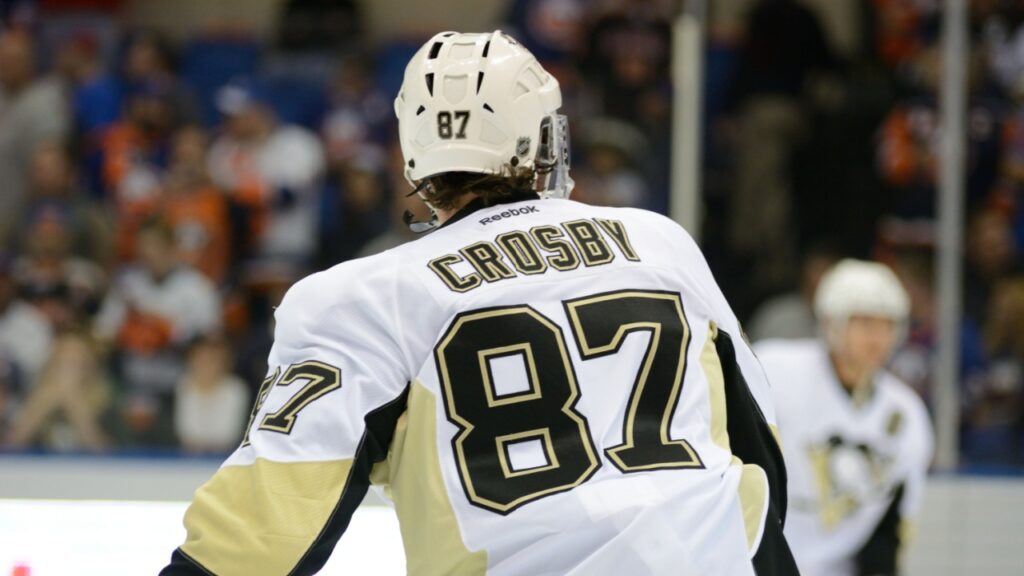
Checking also reveals a player’s character. After a clean hit, professionals often help their opponent up or tap their shoulder to show respect. This sense of sportsmanship reminds everyone that hockey is still about teamwork, discipline, and respect. The greatest players, from Wayne Gretzky to Sidney Crosby, value skill and control over brute force.
When young players learn to check, coaches emphasize safety and respect first. They are taught never to hit from behind or target the head. Youth leagues even introduce checking gradually so players can build strength and balance before full contact. This keeps the game fun, competitive, and safe.
How Checking Shapes the Game
Game Momentum and Strategy
A well-executed check can completely change the direction of a game. When a defender delivers a strong, clean hit, it can energize the team and crowd. The sudden burst of energy often boosts team morale and can shift the game’s tempo. Momentum is a powerful force in hockey, and checking is one of the tools that can spark it.
Teams often use checking to control the pace of play. In a close game, defensive checking slows down offensive rushes. In an aggressive game, it can wear down opponents and create scoring chances. Successful teams know how to balance checking with puck control and skating.
Role of Checking in Modern Hockey
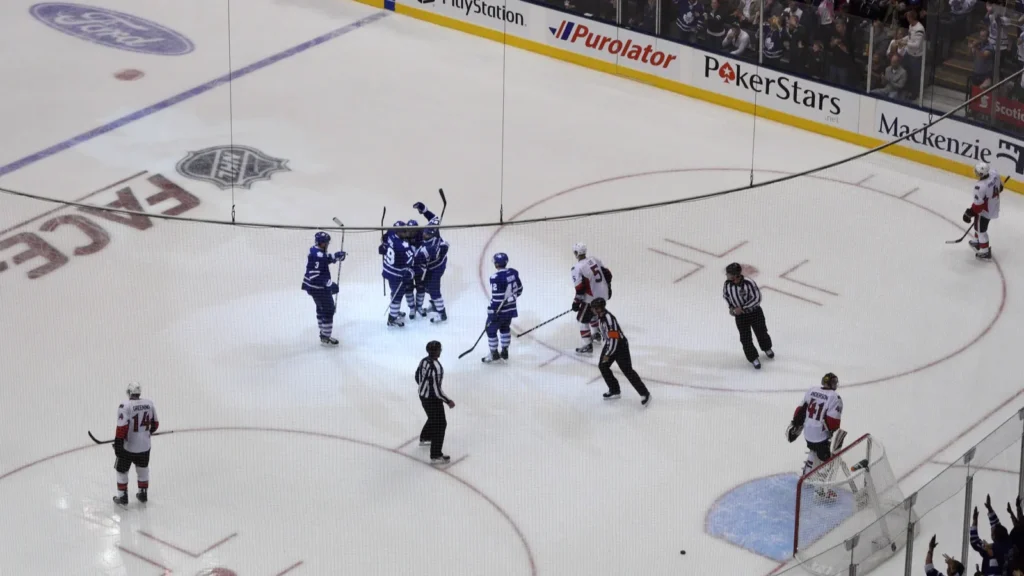
Today’s hockey has evolved. Players are faster, stronger, and more strategic. Coaches now focus on positioning and puck possession more than just physical play. While checking is still part of the sport, it is used more carefully and skillfully than ever before. The emphasis is on smart defense, not reckless collisions.
With video reviews and stricter penalties, players have become more mindful. They now practice safer techniques, like angling and stick positioning, to avoid penalties. This shift has made the game faster, cleaner, and more exciting to watch.
Impact on Team Defense
Team defense relies heavily on coordinated checking. Each player must know their role in applying pressure. Defensemen use body checks along the boards to stop wingers, while forwards backcheck to slow attackers. Even goalies benefit when defenders clear opponents away from the crease using body position instead of brute strength.
The goal is to make the opponent uncomfortable without crossing the line. By staying disciplined, teams can control the puck more often, reduce penalties, and build trust among teammates. Checking, when done right, is teamwork in motion.
Frequently Asked Questions
What is the main purpose of checking in hockey?
The main goal is to separate the opponent from the puck and regain control, not to injure or scare them.
At what age can players start checking?
In most youth leagues, checking begins around ages 13 to 15, after players learn proper skating, balance, and body control.
Can checking lead to penalties?
Yes, if a player hits illegally, such as from behind, to the head, or after the whistle, it can result in a penalty or suspension.
Is checking allowed in women’s hockey?
Body checking is not allowed in most women’s leagues, though body contact and physical play within limits are still part of the game.
Why do players sometimes fight after a big check?
Fights often happen when a player feels a hit was too aggressive or unnecessary. However, referees usually step in quickly to prevent escalation.
Conclusion
- Checking is both a skill and a form of art that requires balance, timing, and control
- Its true purpose is to separate players from the puck, not to harm or intimidate
- A clean check can change the flow of the game, inspire teammates, and energize the crowd
- Smart players understand the mental side of checking and use it strategically, not recklessly
- Respect and safety are the foundation of great hockey; the best players hit hard but fair
- Modern hockey continues to evolve, focusing on skill, speed, and respect for the game’s spirit
Read More
- How NHL Expansion Has Changed the Game’s Geography
- The Truth About NHL Home Ice Advantage
- NHL Trades That Changed Hockey Forever
This article was made with AI assistance and human editing.