When you think of exciting moments in football, one of the most heart-pounding is the scenario where a team is trailing (or tied) with only a couple of minutes left on the clock and has the ball. That scenario is where the two-minute drill shines, the team hustles, plays snap fast, the clock ticks down, and every decision matters.
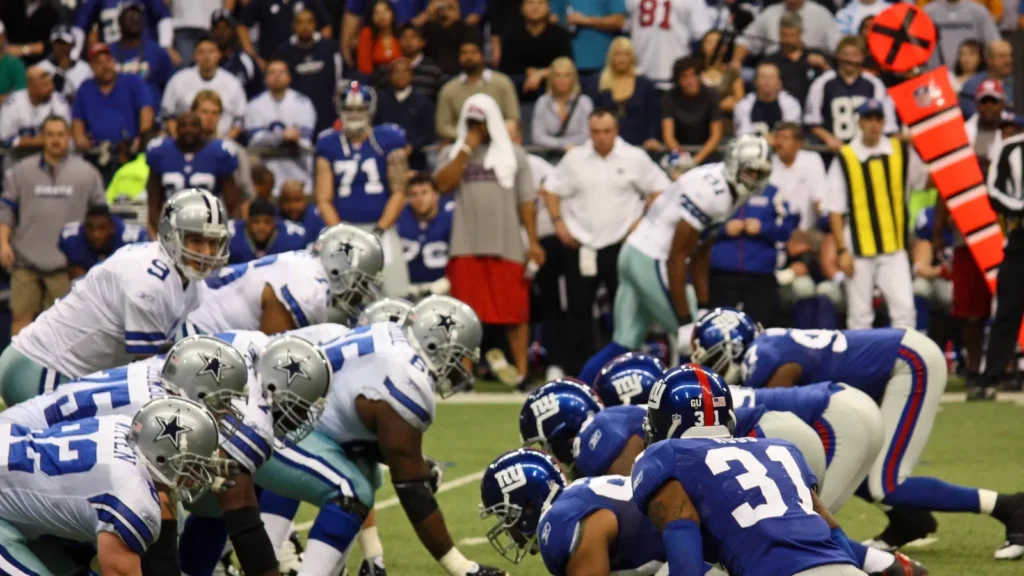
In the NFL (National Football League), this dramatic situation is often the difference between victory and defeat. In this article, we’ll dive into what the two-minute drill is, how teams prepare for it, the strategies and tactics they use, and common questions about it.
What Is the Two-Minute Drill?
The two-minute drill is an offensive strategy used when time is running out, usually near the end of the first half or the end of the game, and the team with the ball needs to score quickly. The term comes from the idea that about two minutes are remaining, though in practice it can be a little more or a little less.
Teams switch into a hurry-up mode, trying to move the ball fast, stop the clock when they can, and get into scoring position.
Key Points:
- It often begins around the time of the two-minute warning, a built-in stoppage that happens when about two minutes remain in the second and fourth periods. The two-minute warning always stops the clock.
- The offense might skip or shorten the huddle, snap the ball faster, use sideline routes (so receivers can step out of bounds and stop the clock), and use other clock-management techniques. These are standard hurry-up tactics reported by major sports outlets.
- Because every second counts, errors that may be tolerable earlier (penalties, missed reads) can kill the drive in a two-minute situation.
The Preparation Behind the Two-Minute Drill
When you watch a team execute a two-minute drive smoothly, it often looks like they were ready for it. That is no accident. NFL teams practice these exact scenarios, so when they happen live, players and coaches make fewer mental mistakes.

Practice and Repetition
Teams routinely rehearse two-minute situations in camp and in-season practice periods. Coaches will simulate realistic timing and timeout counts so players build the right habits and timing under pressure.
Game Plan & Clock Awareness
Preparation includes knowing opponent tendencies, which personnel matchups work best, and how many timeouts are available. Analysts and coordinators study data to recommend the best plays and clock-management choices.
Role Clarity and Execution
Every player has a clear job: receivers know when to get out of bounds, backs know when to run patterns for quick throws, and linemen know protection priorities. Mental errors increase late in games because of fatigue and noise, so role clarity is vital.
Tactics and Strategy of the Two-Minute Drill
Here’s how teams typically run the two-minute drill, the plays, the clock management, and common choices you’ll see.
Play Selection & Clock-Stopping
- Sideline routes and outs: receivers step out of bounds to stop the clock after the catch.
- Quick passes, screens, and draws: used to get the ball into playmakers’ hands when defenses play shallow or “prevent.” These plays can gain yards quickly and are common in hurry-up situations.
- Spiking the ball: A quarterback who takes the snap and immediately throws the ball to the ground (a legal spike) stops the clock but costs a down; the NFL rule requires the spike to be immediate (no delayed fake).
- Hurry-up/no-huddle: getting to the line quickly, avoiding full huddles, and snapping the ball faster so the offense can run more plays before time runs out.
Timeouts and Field Position
Timeouts are a safety valve for the offense. With more timeouts, a team can be more deliberate; with none, the offense must rely on plays that stop the clock or accept more risk. Field position also matters: starting at your own 20 means more yards and more time needed than starting near the opponent’s 40.
Adjusting in the Red Zone
Inside the opponent’s 20-yard line, play calling often shifts. There is less room to step out of bounds, so quarterbacks and coordinators may target the middle of the field or the end zone with higher-risk, higher-reward throws.
Defensive Responses
Defenses commonly use “prevent” or soft deep coverage late to limit big plays and force the offense to work the clock. Offenses try to counter with quick throws, spreads, or pick/rub concepts to create short-to-intermediate completions.
Real-Game Examples & Why It Matters
To see why the two-minute drill matters, watch how it plays out in real games and how teams that master it benefit.
Example: A Late Comeback Drive
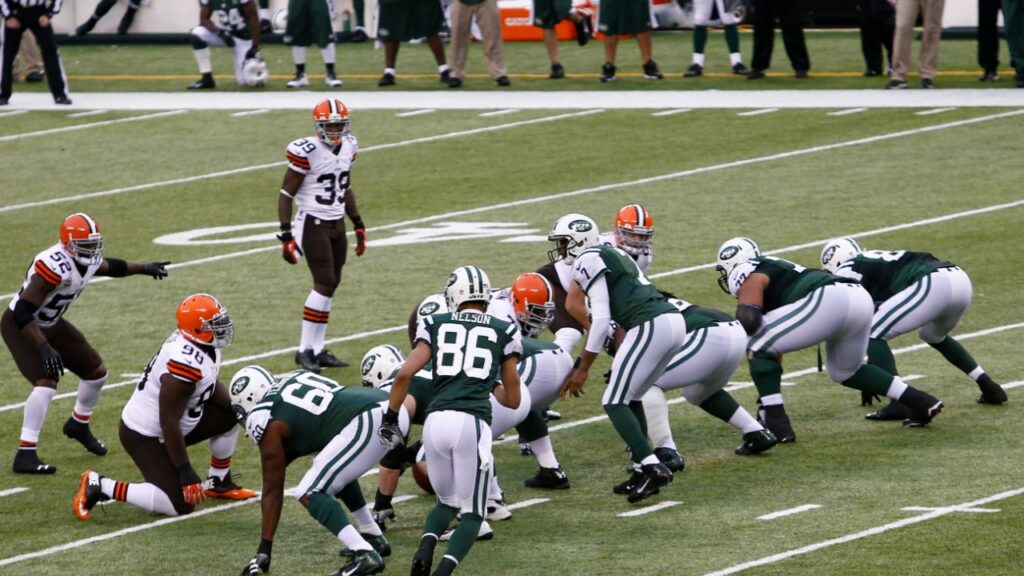
One clear, verified example is the Seattle Seahawks’ late drive on Nov. 17, 2024, when Geno Smith scored a 13-yard touchdown with 12 seconds left to beat the San Francisco 49ers 20-17. That drive showed clock management, play selection, and execution under pressure. (Team and news accounts describe the 11-play, 80-yard drive.)
Why It Matters
- Game outcomes: Success in late-game, time-pressured situations can flip a game’s result. Teams that are prepared and limit mental mistakes have better results in those situations.
- Momentum and morale: Completing a late drive can energize the comeback team and demoralize the opponent.
- Game management for the leading team: The team in front must also handle the clock and field position to prevent the opponent’s late push.
Key Trends
Preparation, quick reset between plays, and good timeout management increase the chance that a two-minute drive succeeds. The name “two-minute” is symbolic; sometimes teams must run the hurry-up with slightly more or less time, but the urgency and clock focus are the same.
Frequently Asked Questions (FAQs)
Q: Does the two-minute drill always start exactly at two minutes remaining?
A: No. The two-minute warning triggers around two minutes left and stops the clock, but teams may begin hurry-up work a bit before or after that mark, depending on the game situation and clock status. The two-minute warning itself is an automatic stoppage at about two minutes in the second and fourth quarters.
Q: Why do offenses throw more than run in the two-minute drill?
A: Passes can stop the clock (incomplete passes or sideline catches) or gain more yards quickly without chewing as much clock as runs, so passing gives the offense more ways to control the clock while moving.
Q: Can the two-minute drill be used when a team is ahead?
A: Usually, the team ahead will try to run out the clock (running plays, staying in bounds) instead of a hurry-up scoring drive. The two-minute drill is mainly an urgency mode for teams that need points.
Q: What happens if the team has no timeouts?
A: Without timeouts, the offense must rely on plays that stop the clock (sideline catches, incompletions, spikes) or push the pace even faster. Not having timeouts reduces flexibility and increases the risk of a failed drive.
Q: Do teams only practice the two-minute drill at the end of halves?
A: No. Teams practice hurry-up and two-minute scenarios regularly, during camp and in practice drills, to build speed, timing, and role clarity, even when more time remains.
Q: How important is field position?
A: Very important. Starting farther away requires more yards and more precise clock management; starting closer lets a team be more aggressive with play calling.
Conclusion
- The two-minute drill is one of the most thrilling and high-pressure moments in NFL football.
- It demands speed, precision, urgency, and smart clock management.
- Teams that stay composed, manage timeouts well, and execute cleanly often win games.
- Those who falter under pressure face heartbreak.
- Success depends on both tactics and mental toughness.
- Key tactics: sideline throws, hurry-up snaps, and strategic timeouts.
- Players must stay calm under pressure and think fast.
- It’s the moment where heroes rise, mistakes stand out, and games are decided.
Read More
- How the NFL Keeps Fans Hooked Every Year
- Forgotten NFL Teams and Why They Disappeared
- Greatest Super Bowl Moments That Shaped Football History
This article was made with AI assistance and human editing.