
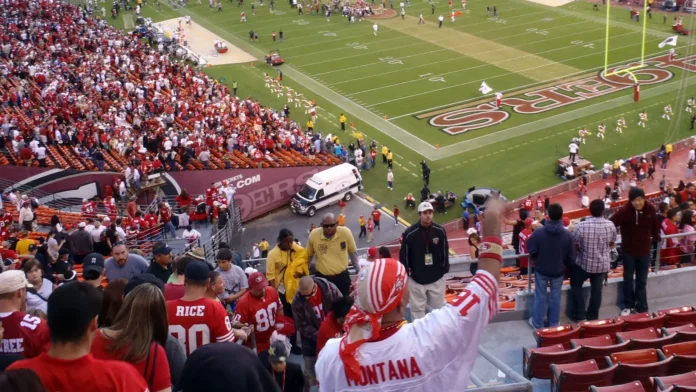
Going to an NFL game is no longer just about watching players chase a ball across the field.
Over the decades, the experience inside stadiums has changed drastically, from simple seating and basic snacks to high‑tech seats, immersive environments, gourmet food, mobile apps, and fan zones.
The evolution of NFL stadium experiences reflects broader shifts in technology, entertainment expectations, economics, and fan culture.
In this article, we’ll explore how fan experiences have developed, highlight major changes defining game day, and look at what lies ahead.
From Bleachers to Big Screens – The Early Era
Seating, Sightlines, and Basic Amenities
In the early days, NFL stadiums offered simple seating, often benches, limited amenities, and few premium options. Fans made do with what was available, tailgating in parking lots, cheering, and embracing the community atmosphere.
The Beginning of Video Screens
Large video boards, or jumbotrons, were introduced to help fans see replays, stats, and close-ups from distant seats. This was an early attempt to make the stadium experience more engaging.
Tailgating and Atmosphere
Tailgating became a signature part of the game day, with fans arriving early to grill, play games, and socialize. Legendary stadiums became known for tradition, atmosphere, and the sense of community they created.
Limitations and Challenges
Despite growing fan bases, early stadiums faced challenges such as long concession lines, outdated facilities, and limited connectivity. These limitations highlighted the need for future upgrades.
The Rise of Tech and Premium Experiences
Premium Seating and Luxury Amenities
From the early 2000s, stadiums introduced luxury suites, club levels, and upgraded seating to improve comfort and offer fans special experiences. Lounges, better sightlines, and high-quality food became part of the game day.
Connectivity and Digital Enhancements
Stadiums began adding Wi‑Fi, mobile ticketing, and mobile ordering to improve convenience. Early digital enhancements allowed fans to interact with apps, access stats, and enjoy a more connected experience.
Enhanced Audio-Visual and Immersive Elements
Massive high-resolution video boards, ribbon boards, and improved sound systems were installed to create a more immersive experience and bring fans closer to the action.
Varied Food, Hospitality, and All-Day Entertainment
Food options expanded beyond standard fare, and stadiums began offering pre‑game events, lounges, and entertainment areas. The goal was to make each visit a full-day experience.
Challenges
Even with these improvements, costs increased, and fans expected faster service and better connectivity. Stadiums had to manage both crowd flow and network capacity to keep fans satisfied.

The Modern Era and Future Trends
Ultra-Connectivity and Mobile Integration
Modern stadiums focus on providing fast and reliable wireless networks for fans to stream, post on social media, and order concessions from their seats. Apps allow fans to customize their experience and stay connected throughout the game.
Immersive Audio-Visual and Sensory Experiences
New stadiums use advanced sound systems and high-definition video boards to create a live, immersive atmosphere. Fans can enjoy a heightened sense of being part of the action.
Inclusive Design and Fan Choice
Stadiums are now more attentive to accessibility and personalization. Features like fan zones, technology-enabled lounges, and diverse food options ensure a better experience for all attendees.
AR/VR and Emerging Technologies
While full AR and VR features are still developing, the infrastructure is being built to allow fans to engage in interactive and immersive experiences in the future.
Enhanced Concessions and Convenience
Stadiums have introduced self-service kiosks, mobile ordering, and cashless payments to reduce lines and improve convenience. The goal is to keep fans focused on the game while enjoying a seamless experience.
Game Day as a Full Destination
The modern NFL stadium treats each game as an event day, not just the game itself, but an entertainment and community experience. Fans can arrive early, explore fan zones, enjoy pre-game festivities, and share their experience online.
Frequently Asked Questions
Why has the stadium fan experience changed so much?
Television and streaming make it easy to watch games at home. Stadiums now offer premium amenities, connectivity, and entertainment to attract fans.
Will AR and VR be common in NFL stadiums soon?
The infrastructure is being developed for AR/VR, and teams are exploring these experiences. They are not yet widespread but are expected to grow in the coming years.
What are fan zones, and how do they enhance experience?
Fan zones are areas where fans can participate in interactive games, lounges, and entertainment beyond watching the game. They make a stadium visit more engaging and social.
Are older stadiums being upgraded, or are new ones being built?
Both. Some teams build new stadiums with modern features, while others retrofit existing venues with improved audio-visual systems, better connectivity, and premium spaces.

Conclusion
- NFL stadium fan experiences have evolved from basic seating and snacks to immersive, high-tech entertainment events.
- Technology, premium amenities, connectivity, and full-day experiences now define game day.
- Modern stadiums focus on inclusivity, personalization, and seamless fan engagement.
- Fans today attend games not just to watch football but to enjoy comfort, community, and interactive experiences.
- Future trends include enhanced AR/VR, more sustainable practices, and hybrid live/digital experiences.
Read More
- The Role of Team Chemistry in NFL Success
- Why the NFL Draft Is the Most Anticipated Offseason Event
- The Art of the Two-Minute Drill in the NFL
This article was made with AI assistance and human editing.