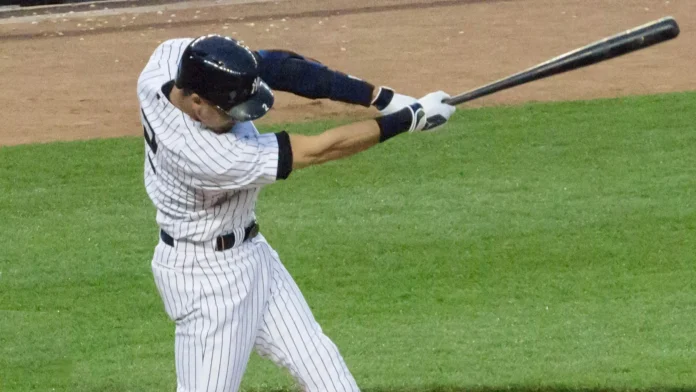
In the world of baseball, one rule has changed how teams think about offense, strategy, and even careers: the designated hitter rule. Over time, the role of the designated hitter, often called the “DH,” has evolved from an experiment to a cornerstone of modern Major League Baseball.
This article explores the beginnings of the DH, how it developed, the debates it inspired, and what it means for players, teams, and fans today.
The Birth of the DH in Major League Baseball
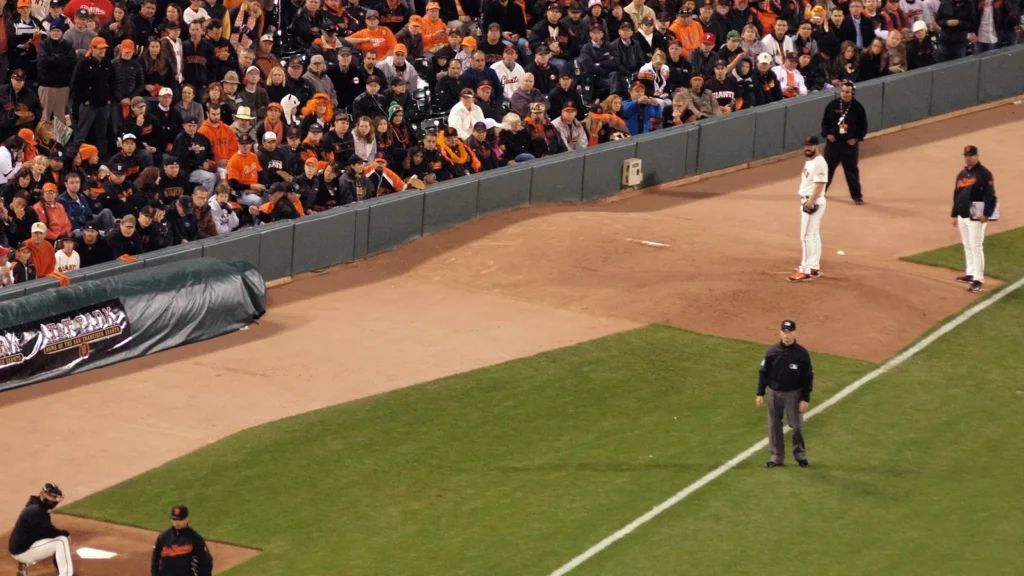
In the late 1960s, especially after the pitching-dominant 1968 season known as the “Year of the Pitcher,” offense in baseball had fallen dramatically. Fans were seeing fewer hits and home runs, and some team owners worried that the lack of action was hurting attendance. Major League Baseball, and especially the American League, wanted to make the game more exciting and bring more offense to the plate.
The idea began to spread: what if the pitcher did not have to bat? Pitchers were rarely strong hitters, and their turns at bat often slowed the game. The proposal was simple: a player could be chosen to bat in place of the pitcher, but that player would not play defense. This player would be called the designated hitter.
On January 11, 1973, the American League officially approved the DH rule for a trial period. A few months later, on April 6, 1973, in a game between the New York Yankees and the Boston Red Sox, Ron Blomberg became baseball’s first official designated hitter. He stepped into the batter’s box and walked with the bases loaded, making history as the first DH in Major League Baseball.
That moment marked the beginning of a new era. Teams in the American League could now bring in a strong hitter who did not need to play defense, while pitchers no longer had to bat. This gave managers new flexibility and gave fans more offense and excitement to watch.
Evolution and Expansion of the Role

Over the next several decades, the DH rule evolved and expanded. After its trial period, the American League decided to keep the rule permanently because it achieved its main goal of bringing more offense and interest to the game.
Meanwhile, the National League chose to keep its traditional system, where pitchers batted and everyone played both offense and defense. This created a noticeable difference between the two leagues and gave each its own playing style.
As the years passed, the DH position became more than just a spot for an extra hitter. It became a role where aging sluggers, players with weaker defensive skills, or stars who needed rest could still contribute. Many great players extended their careers because they could still hit even if they could no longer field at the same level.
In postseason and interleague games, things were a bit more complicated. From 1976 until 1985, the World Series used the DH only in even-numbered years. Starting in 1986, the rule changed to follow the home team’s league rules: if the game was played in an American League park, the DH was used; if in a National League park, the pitcher batted.
Finally, after nearly five decades of debate, a major change came in 2022. The National League officially adopted the DH rule, creating what is now known as the universal DH. For the first time, both leagues in Major League Baseball used the same rule, ending the long-standing difference between them.
From its experimental start in 1973 to its full acceptance in 2022, the DH transformed from a bold idea into one of the game’s most important and permanent features.
Impact, Controversy, and Strategy Shifts
The designated hitter rule brought both benefits and controversy to baseball.
Positive Impacts
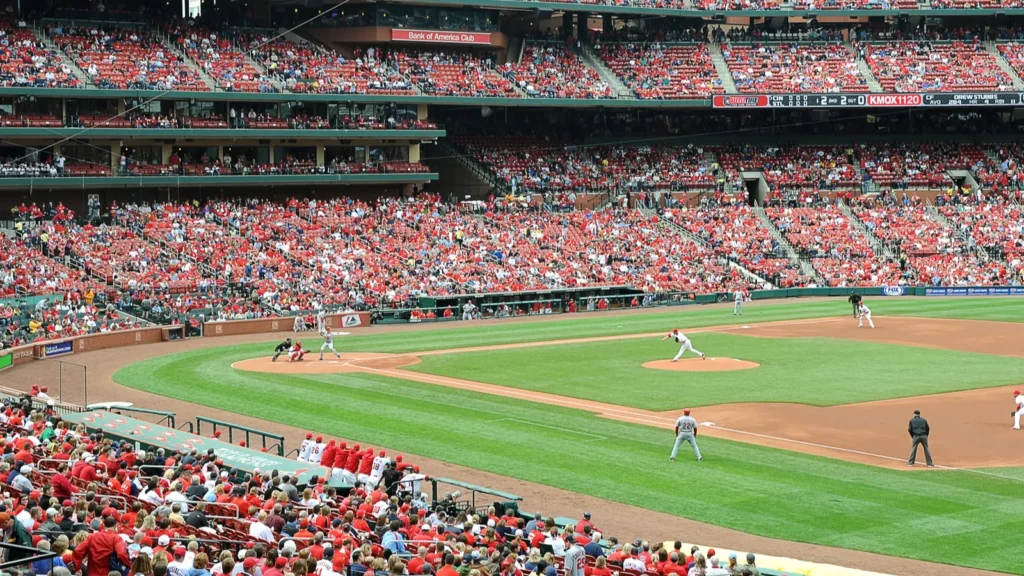
More offense: Allowing a skilled hitter to replace the pitcher raised offensive output across the American League. Teams scored more runs on average, and fans saw more exciting games filled with home runs and hits.
Player longevity: The DH role helped players extend their careers. Many veterans who could still hit well but struggled defensively continued to play for several extra seasons.
Fan enjoyment: More action and offense often made the game more appealing to fans who enjoyed seeing powerful batting performances.
Controversies and Criticisms
Strategy reduction: Traditionalists argue that the DH removes some of the game’s strategy. Without the pitcher batting, managers no longer need to make tough decisions about pinch-hitting or performing double switches late in games.
Loss of tradition: Many fans feel that baseball’s original design included every player, pitchers included, both batting and fielding. They believe the DH takes away from that long-standing tradition.
Two-league imbalance: For nearly fifty years, American League teams used the DH and National League teams did not. That difference affected team construction, pitching styles, and even outcomes in interleague play and the World Series.
Strategic Changes
Lineup construction: The DH gave managers new ways to build lineups. Teams could keep strong hitters in the game even if their fielding skills declined, while younger or better defenders filled positions in the field.
Rest management: Players who usually played in the field could take partial rest days by being the DH, keeping their bat in the lineup while preserving their energy.
Match-up control: Managers could use the DH spot to create favorable match-ups, such as choosing left-handed hitters against right-handed pitchers, without worrying about defensive alignment.
Pitcher management: With pitchers no longer batting in DH games, managers could focus on pitching performance alone, making substitutions based solely on the game situation and fatigue rather than batting order.
Overall, the DH changed how teams approached offense, roster management, and in-game strategy. It also redefined how players could age within the sport, offering a second life to many hitting specialists.
Frequently Asked Questions
Q: What exactly is a designated hitter (DH)?
A: A designated hitter is a player who bats in place of the pitcher but does not play in the field. The pitcher still pitches, but another player takes his turn at bat.
Q: When did the DH rule start in Major League Baseball?
A: The American League adopted the DH rule on January 11, 1973. The first official DH plate appearance took place on April 6, 1973, when Ron Blomberg of the Yankees walked with the bases loaded.
Q: Did both leagues always use the DH?
A: No. For almost fifty years, only the American League used the DH. The National League joined in 2022, when Major League Baseball adopted the universal DH.
Q: Why was the DH rule introduced?
A: It was created to increase offense, since pitching had become dominant and games had fewer runs. The rule aimed to make baseball more exciting and fan-friendly.
Q: Does the DH rule affect strategy?
A: Yes. The DH removes the need for managers to pinch-hit for pitchers and allows more flexibility with lineups and rest days. It also changes roster planning and how teams manage players over a season.
Q: Are there special rules for the DH?
A: Yes. The DH must be named on the lineup card before the game begins. If the DH takes a defensive position at any point, the team loses the DH for the rest of the game.
Conclusion
- The designated hitter began as an experiment to increase scoring and fan excitement.
- It became a defining part of the American League and later expanded to both leagues in 2022.
- The DH gave new life to aging hitters and allowed for more flexible lineup construction.
- Traditionalists still debate its impact, arguing that it reduces strategy and breaks from baseball’s roots.
- Despite differing opinions, the DH remains one of the most significant changes in baseball history.
- Today, with the universal DH in effect, the rule stands as a permanent and essential part of Major League Baseball’s future.
Read More
- NFL Players Who Overcame Career-Threatening Injuries To Make A Comeback
- How Jackie Robinson Changed American Sports Forever
- Greatest Super Bowl Moments That Shaped Football History
This article was made with AI assistance and human editing.