Hidden deep in the NFL rulebook are provisions that rarely see daylight but can completely alter the course of a game.
From forgotten scoring opportunities to referee powers that sound almost fictional, these obscure regulations remind us that football’s complexity runs far deeper than the plays we see every Sunday. Coaches who understand these rules gain strategic advantages that casual fans never notice.
Some of these rules have historical roots dating back to rugby, while others emerged from specific controversies that forced the league to address loopholes. Either way, they prove that in the NFL, knowledge of the rulebook can be just as valuable as athletic talent.
Let’s dive into the rules that operate in the shadows.
The Fair Catch Kick Scores Without Opposition
This forgotten rule lets teams attempt uncontested field goals after fair catches.
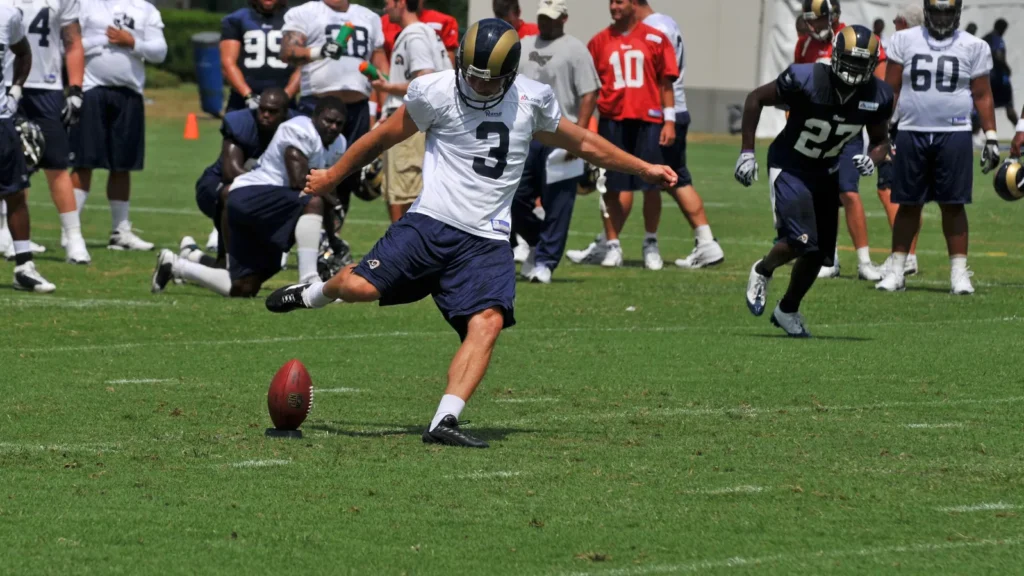
The fair catch kick allows teams to try a free kick from the spot of a fair catch for three points. The defense must stand at least ten yards away and cannot rush the kicker during the attempt. Cameron Dicker of the Los Angeles Chargers made a 57-yard fair catch kick in December 2024, the first successful attempt since 1976.
Fair catch kicks happen so infrequently because most fair catches occur far outside field goal range for teams. If the attempt fails, the opposing team gets possession from the spot of the kick, creating risk for the kicking team. Only seven successful fair catch kicks have occurred in recorded NFL history.
Emergency Quarterback Rules Change Roster Decisions
Teams can designate a third quarterback without using active roster spots under specific conditions.
The emergency third quarterback rule returned in 2023 after the San Francisco 49ers lost both quarterbacks in the NFC Championship Game. The third quarterback must be on the 53-man roster and can only enter if both active quarterbacks become injured or ejected. This player cannot run wildcat formations or play special teams when activated during games.
However, the emergency quarterback can only play if genuine injuries or disqualifications occur, not from coaching decisions. If either injured quarterback gets cleared to return, the emergency quarterback must immediately leave the game. Teams without three quarterbacks on their active roster face disaster if injuries strike both signal callers. The regulation protects competitive integrity while acknowledging the quarterback position’s unique importance in modern football.
One-Point Safeties Exist But Never Happen
The NFL scoring system includes a theoretical one-point safety that has never occurred professionally.
A one-point safety occurs when the defense forces the offense into their own end zone during a conversion attempt. The offense must either fumble the ball backward or commit a penalty that pushes them into their own end zone. Despite being an official scoring possibility, this play has never happened in NFL history during actual games.
The extreme rarity comes from the improbable sequence of events required to create this situation during conversions. Most conversion plays either succeed quickly or fail without significant backward movement from the line of scrimmage. Defenses would need to not only take possession but also push the offense nearly 100 yards backward. The rule exists to cover every possible scenario, even those that may never actually materialize on the field.
Quarterback Snap Rules Create Strange Penalties
Missing the snap between the legs triggers automatic false start penalties under obscure quarterback regulations.
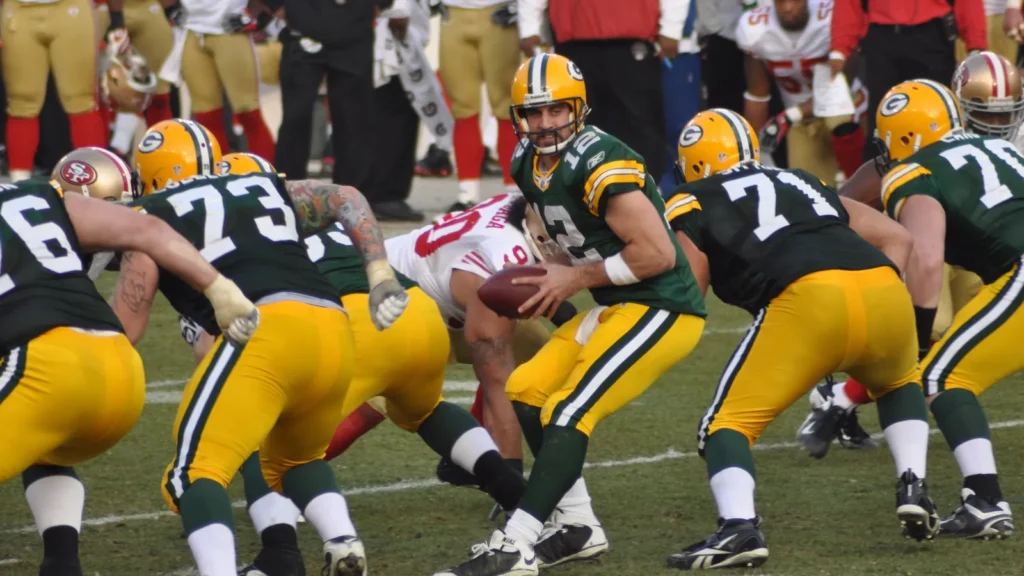
If the quarterback lines up under center and misses the snap as it passes between his legs, only he can touch it next. Any other player touching the ball first, even defenders, results in a false start penalty against the offense. This bizarre rule was last called during a Bears versus Eagles game in 2007.
The rule exists to prevent teams from gaining unfair advantages through intentional snap fumbles or trick plays. Quarterbacks nearly always recover these snaps immediately, making enforcement extremely uncommon during professional games. Most fans have never witnessed this penalty called in their entire football-watching experience.
Double Timeout Attempts Result In Unsportsmanlike Conduct
Coaches cannot call two consecutive timeouts during the same dead-ball period without receiving penalties.
Teams attempting to call multiple timeouts during a single stoppage receive a 15-yard unsportsmanlike conduct penalty. This prevents coaches from intentionally delaying games or attempting to ice opponents multiple times. The rule requires that play must resume between timeout calls.
The penalty can swing games when teams lose 15 yards for what seems like a simple procedural mistake. Officials must track timeout requests carefully to enforce this regulation properly during tense game situations. Many fans watching at home remain unaware that this rule exists until they see it called unexpectedly.
Voluntarily Going Out Of Bounds Draws Penalties
Punt coverage players can be penalized for deliberately stepping out of bounds during plays.
During punts, any member of the kicking team who voluntarily goes out of bounds to avoid contact with blockers before the play ends can receive a 15-yard penalty. This rule does not apply if the player is pushed out by an opponent or leaves the field for other reasons unrelated to avoiding a block.
The regulation prevents players from using the sideline as a shortcut to evade blocks while sprinting downfield, ensuring fair competition and maintaining the integrity of the coverage play. Kicking teams must maintain awareness of boundary lines while moving at full speed to avoid fouls.
Illegal Bat Rules Punish Intentional Ball Swatting
Players cannot bat loose balls in end zones, creating controversial, game-changing moments.
The illegal bat rule prevents players from swatting loose balls in any direction within either end zone. Seattle linebacker K.J. Wright illegally batted Calvin Johnson’s fumble out of bounds in 2015, costing Detroit possession at the one-yard line. The uncalled penalty helped Seattle win 13-10 and left the Lions winless at 0-4 that season.
The regulation applies to any player batting or punching loose balls that touch the ground in end zones. Most players instinctively try to recover fumbles rather than swatting them away from opponents during crucial plays. The controversy sparked discussions about making these judgment calls reviewable through instant replay to prevent future officiating mistakes.
TL;DR
- The fair catch kick allows uncontested field goal attempts after fair catches, used successfully only seven times in NFL history.
- Emergency third-quarterback rules let teams designate a third signal caller without using active roster spots under specific injury conditions.
- One point safeties exist in the rulebook, but have never occurred in an NFL game despite being theoretically possible.
- Obscure quarterback snap rules, timeout restrictions, and coin toss procedures can all result in unexpected penalties during games.
- Special teams regulations around boundaries and kickoff touches create strategic advantages most fans never notice or understand fully.
Read More:
- Leadership lessons from NFL captains that influence entire teams
- Breaking down the most dominant NFL defenses of all time
- The Role of Team Chemistry in NFL Success
This article was made with AI assistance and human editing.