

The difference between elite golfers and amateurs isn’t always about swing mechanics or raw talent.
While recreational players obsess over distance and equipment, tour professionals focus on strategic elements that dramatically improve performance without requiring perfect technique. These overlooked strategies separate weekend warriors from champions, yet most amateurs never incorporate them into their game.
Understanding and applying these professional approaches can transform your scores faster than any swing change. From course management decisions to practice habits, elite golfers think differently about the game at every level.
Let’s break down the critical strategies that separate the pros from everyone else.
Playing the Smart Miss Instead of the Perfect Shot
Elite players always consider where their misses will land before choosing a target.
Tour professionals think about good misses on every approach shot. They ask themselves where the easiest recovery would be if they miss the green. Since PGA Tour players miss one in three approach shots, accepting this reality becomes a strategic advantage rather than defeatist thinking.
Amateurs aim directly at tucked pins over water hazards without considering safe bailout areas. This aggressive approach leads to penalty strokes and big numbers that ruin scorecards. Professionals weigh risks against potential rewards and sometimes accept bogey to avoid double or worse.

Understanding Your Dispersion Cone Changes Everything
The range of possible outcomes from any club differs dramatically between skill levels.
Professional golfers pull the driver more often because their dispersion cone stays tight. Their misses land in recoverable rough rather than out of bounds. Amateurs miss the crucial point that their driver dispersion cone is considerably wider, often resulting in shots one fairway over or deep in hazards.
The pros would dial back to shorter clubs if they knew their driver could go anywhere. Recognizing your actual shot pattern rather than your best shot transforms tee box strategy. Taking 30 yards less distance while staying in play beats being 30 yards longer in the woods every single time.
Pace Control Separates Good Putters From Great Ones
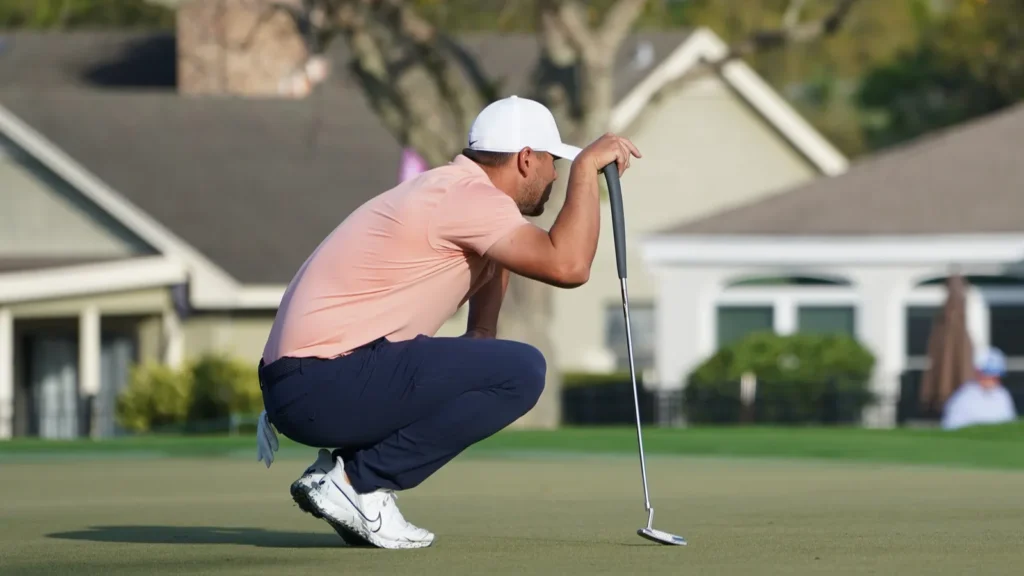
Most amateurs obsess over line while ignoring the more important element of speed.
Putting accounts for around 35-40% of strokes in any given round across all handicaps. Tour players understand that pace control determines whether putts drop or miss. A putt slightly off line with perfect pace often falls, while one on the perfect line with the wrong pace misses consistently.
Professional golfers have systematic processes for reading greens that amateurs rarely employ. They start as they walk up, look from multiple angles, and assess overall slope, breaks, speed, and grain. Most weekend players glance briefly and guess, leaving distance control to chance rather than practiced feel.
Mental Toughness Defines Elite Performance Under Pressure
The psychological aspect accounts for most of what separates champion golfers from the field.
Research in golf psychology reveals that psychological factors distinguish 70% to 85% of successful athletes rather than physical abilities. Jack Nicklaus famously stated that golf is 90% mental and only 10% physical. Tour professionals prove this truth through consistent performance despite inevitable bad shots during rounds.
Amateurs often linger on bad shots mentally, which affects confidence and leads to poor decisions on subsequent holes. Elite players quickly recover from setbacks, maintaining positive mindsets and focusing on the next shot rather than dwelling on past mistakes. This mental resilience prevents small setbacks from snowballing into larger disasters.
Targeted Practice Beats Random Range Sessions
Elite golfers practice with specific purposes based on statistical weaknesses.
Amateurs go to the range and hit balls aimlessly, hoping to get better. They hit a bunch of seven irons with no wind and wonder why scores don’t improve on the course. Professional players practice the same skills they’ll need during competition, replicating course conditions and working on identified weaknesses.
Golfers can improve handicaps by 3 to 5 strokes just by understanding their data and focusing practice time correctly. They don’t get dramatically better at golf, but stop working on the wrong things. Most golfers practice randomly rather than addressing the specific areas where they lose the most strokes to par.
Knowing Actual Distances Eliminates Guessing Games
Many amateurs overestimate club distances, which leads to poor selection and missed greens.
Tour professionals know their exact carry distances for every club in the bag. They chart these numbers and keep them readily available during rounds. Knowing that your seven iron consistently flies 145 yards rather than the 160 you hit once with a tailwind represents game-changing information for approach shots.
Weekend golfers spend money on GPS devices and rangefinders to know distances from fairways, but then guess at their own club distances. This disconnect causes consistent misses short or long of greens. Professionals also factor in wind and temperature, which have major influences on how far balls fly through different conditions.
The Middle of the Green Strategy Saves Strokes
Aiming at flag positions tucked in corners or behind bunkers costs amateur golfers unnecessary strokes.
Elite players resist the temptation to fire at every pin location. Their target stays the center of the green, which gives the largest margin for error. A slight miss hit still likely finds the putting surface, whereas aiming for tucked flags could result in hazards, rough, or difficult recovery positions.
This conservative approach allows two-putt opportunities on most holes while avoiding the short-sided predicaments that require perfect execution to save par. Professional golfers convert approaches into manageable putting distances rather than gambling on low percentage hero shots that rarely pay off for higher handicap players.

TL;DR
- Elite golfers prioritize smart course management over perfect shot execution.
- Understanding your dispersion cone and playing within your actual abilities prevents big numbers.
- Pace control in putting matters more than reading lines for consistent scoring.
- Mental toughness and resilience separate champions from talented players who plateau.
- Targeted practice based on statistical weaknesses improves scores faster than random range sessions.
Read More:
- Golf swing adjustments that quietly revolutionize performance
- The Best Golf Shots Ever Captured on Camera
- Unforgettable comebacks on the PGA Tour
This article was made with AI assistance and human editing.