
Baseball is more than just a sport.
It is full of traditions, customs, and codes of behavior that are not written down. These are called the unwritten rules of baseball. Even though they are not in the official rulebook, many players, coaches, and fans take them seriously. Still, as baseball changes, these rules spark heated debates.
Some people argue they are old-fashioned and unfair, while others say they are vital to the game’s respect and honor. In this article, we will explore the most controversial of these unwritten rules, explain why they matter, and look at how modern baseball is challenging or changing them.
What Are the Most Controversial Unwritten Rules?
In baseball, there are many unwritten rules, but some are more debated than others. Here are a few that often cause controversy:
1. Don’t Run Up the Score or Steal When Leading Big
One of the core unwritten rules says that if a team is winning by a large margin, you should not steal bases, swing at 3–0 counts, or try to embarrass the other team. The idea is to show respect and avoid rubbing it in.
This rule is tricky because there is no clear definition of a large margin. How many runs are too many? Which inning matters? The answer varies depending on the stadium, the inning, the situation, and individual opinions. Some managers believe that if a team is clearly ahead, scoring more is acceptable because the team earned it.
Critics argue that limiting effort kills competition and that showing restraint can feel disrespectful to your own team. Traditionalists say it preserves sportsmanship and humility. Because this rule is not written, it is often debated and sometimes ignored, which can lead to arguments or retaliation.
2. Don’t Show Off or Disrespect the Opponent
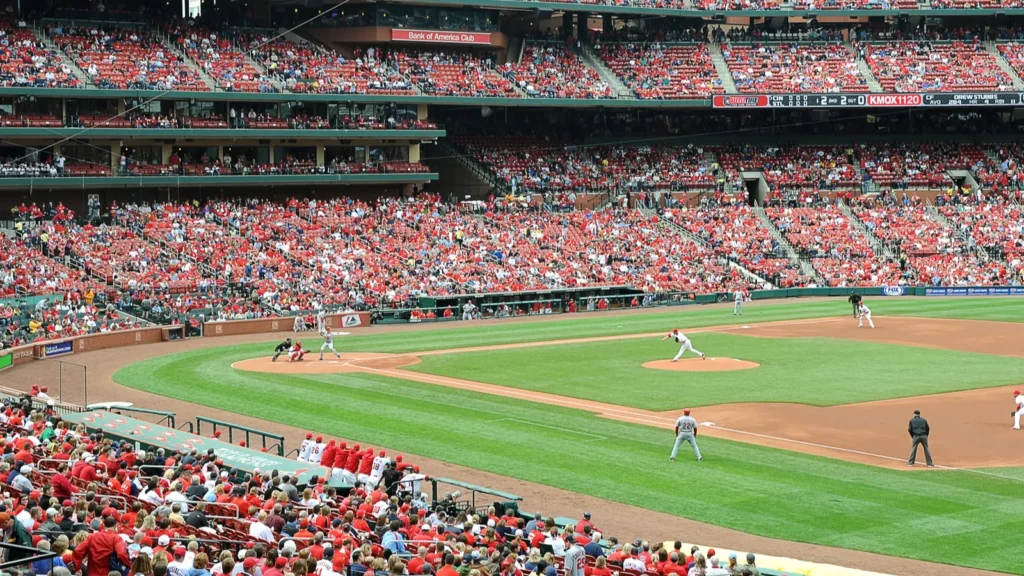
Another set of unwritten rules deals with how players behave after big plays. For example, do not flip your bat after a home run, slow jog around the bases, or celebrate too loudly. Traditionalists view these actions as disrespectful to the pitcher or the opposing team.
Many younger players today enjoy showing emotion, and fans often love celebrations. Sometimes, when a player appears to show up a pitcher, the opposing team may respond by throwing at him later in the game.
Critics call this dangerous and outdated, while supporters argue it maintains respect, discipline, and a code of honor. Generational differences and the evolving culture of baseball make this rule one of the most debated.
3. Pitcher Retaliation: If You Hit My Player, I Hit Yours
One of the most dangerous unwritten rules involves retaliation. When a pitcher hits a batter from the opposing team, there is often an expectation that someone will return the favor. This usually comes in the form of throwing at a batter later in the game.
Critics say retaliation is reckless and can lead to injuries, with no place in modern baseball. Supporters claim it defends teammates, sends a message of strength, and maintains a balance of respect. MLB has increasingly enforced penalties for dangerous pitches, including warnings, ejections, fines, and suspensions. Despite these rules, retaliation remains a controversial part of baseball culture.

Why Do These Rules Still Matter and Why They Are Changing
Tradition and Respect
For many players, especially veterans, these unwritten rules are part of baseball’s heritage. They teach younger players how to respect their teammates, opponents, and the game itself. Without these rules, some believe baseball could become too flashy or chaotic and lose a sense of dignity.
Changing Culture
Baseball today is different from decades ago. Players move between teams more often and know each other better. Fans now expect excitement, celebration, and personality. The traditional code of not showing emotion feels out of touch to younger players and many viewers.
Safety and Ethics
Safety concerns around retaliation have pushed critics to call for change. Some also argue that these rules discourage true competition. Teams should feel free to play hard even if they are winning.
Mixed Enforcement
Because these rules are unwritten, whether they are followed or punished depends on the situation, the players involved, and league enforcement. This inconsistency fuels frustration. Some people want these rules officially defined or eliminated, while others want to maintain them as part of baseball’s culture.
Frequently Asked Questions
Q: What exactly are unwritten rules?
A: These are informal codes of behavior in baseball. They are not in the official rulebook, but many players, coaches, and fans treat them as rules.
Q: Are unwritten rules real rules?
A: Not officially. They are based on tradition, etiquette, and sportsmanship. Because they are widely understood, they affect how players behave.
Q: Why do players follow them?
A: Some follow them to show respect for opponents, protect the game’s traditions, or avoid retaliation. Others follow due to pressure from teammates or older players.
Q: Why do people argue about them today?
A: Baseball is changing. Players are more expressive, the game is more analytical, and many old-school rules feel outdated. Because they are unwritten, people do not always agree on their meaning or application.
Q: Has MLB ever tried to write these down?
A: Not really. By definition, they are unwritten. MLB does punish dangerous behaviors, but most debates are about what is culturally acceptable rather than what is legally allowed.
Q: Do all players obey these rules?
A: No. Younger or more expressive players often break them. Some older players and teams still strongly support them.
Conclusion
- The unwritten rules of baseball are like an invisible codebook that guides player behavior, team responses, and fan expectations.
- These rules are debated because baseball is evolving with younger players, louder celebrations, and increased use of technology.
- Some believe these rules preserve the dignity and honor of baseball, while others think they keep the game stuck in the past.
- The tension between tradition and change is real, reflecting the choice between a stoic contest and a modern, expressive, competitive sport.
- Whether unwritten rules are good or bad depends on perspective, but their influence and the debates they spark will continue to shape the future of baseball.
Read More
- Top Home Run Records in MLB That Will Never Be Broken
- The Most Beautiful Golf Courses Around the World
- NBA’s 1992 Dream Team vs. the 2008 Redeem Team And Their Lasting Impact
This article was made with AI assistance and human editing.