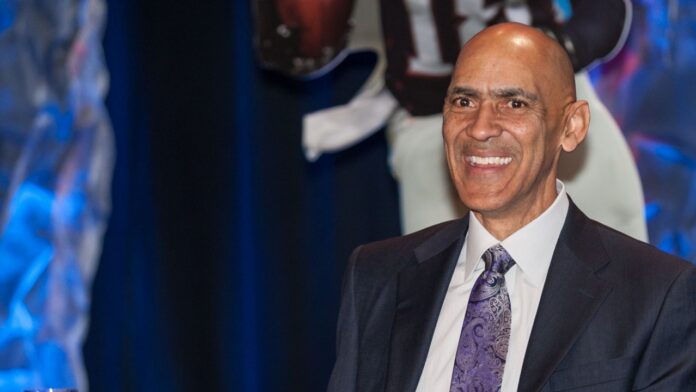
Tony Dungy is facing renewed criticism after refusing to disclose whether he voted for Bill Belichick in the Pro Football Hall of Fame’s Class of 2026 election. The former Indianapolis Colts coach addressed the controversy during an interview with Sage Steele, maintaining that he would not reveal his ballot.
The dispute has reignited questions about Belichick’s surprising first-year omission, the Hall of Fame’s voting process and the responsibility of those who select football’s most accomplished figures. Dungy has defended the process, but his refusal to identify his choice has done little to silence critics.
Dungy stands firm on keeping his vote private
Dungy addressed the controversy during an appearance on The Sage Steele Show, where he was asked why he continued to withhold information about his vote. Rather than confirm or deny his selection, he reiterated that he would not discuss it.
His position has remained consistent since the Hall of Fame announced its 2026 class. Dungy has explained that he respects the voting process and does not intend to identify individual choices, even when public reaction places him under pressure.
That response has frustrated fans who want greater transparency following Belichick’s omission. However, Dungy’s refusal to disclose his ballot does not establish how he voted, and speculation about his personal decision remains unconfirmed.
Belichick’s Hall of Fame omission sparked the controversy
Belichick’s failure to earn induction in his first year of eligibility shocked many football observers. The longtime New England Patriots coach won six Super Bowls as a head coach and built one of the NFL’s most successful dynasties alongside quarterback Tom Brady.
The selection committee reportedly consisted of 50 voters, and candidates needed 40 votes to reach the required threshold. Belichick did not receive enough support, prompting widespread criticism of the process and renewed scrutiny of those responsible for selecting inductees.
The decision did not erase Belichick’s accomplishments or mean he could never enter the Hall of Fame. Instead, it created a contentious debate over how a coach with his record could miss selection on his first ballot.
Dungy defended the voting process rather than naming voters
During his interview, Dungy emphasized that 50 people participated in the selection process. His position was that the committee’s collective decision should be respected rather than turning the controversy into a public effort to identify individual voters.
He also acknowledged the widespread belief that Belichick deserved induction. Dungy’s comments suggested that he could recognize the coach’s achievements while maintaining his commitment to the process that produced the final result.
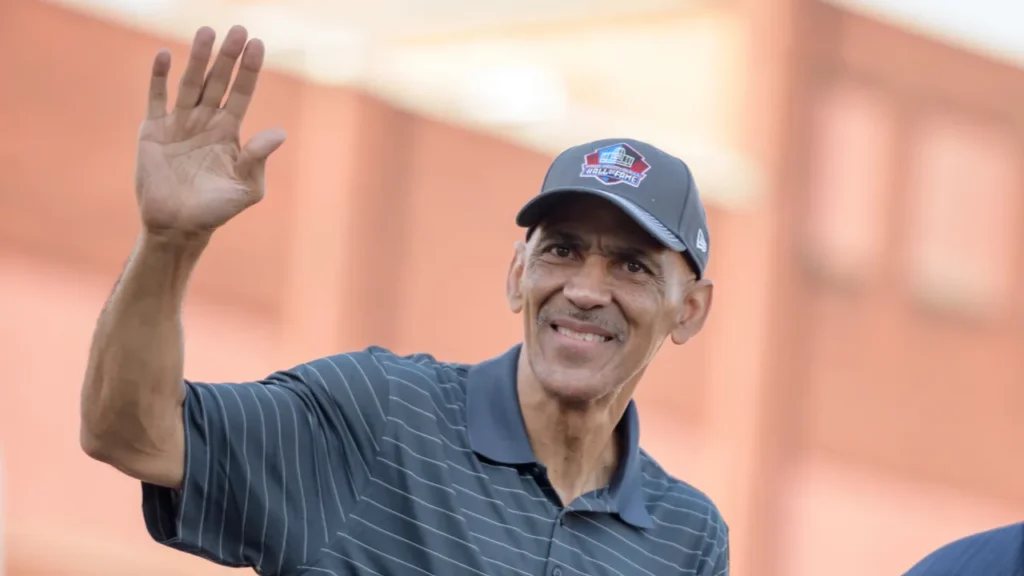
That distinction has become central to the debate. Supporters of confidentiality argue that voters should deliberate independently, while critics believe greater accountability matters when a decision involving a legendary coach generates such an extraordinary response.
Fans question Dungy’s silence
Dungy’s comments prompted renewed criticism on social media, with some fans questioning why he would not disclose his vote if he believed Belichick deserved recognition. Others speculated that the former Colts coach might have voted against his longtime rival.
Those accusations remain unverified. Dungy has not publicly confirmed that he voted against Belichick, and his refusal to reveal his choice cannot establish that he opposed the six-time Super Bowl-winning coach.
The reaction illustrates how a confidential sports decision can become a public controversy. Because the result disappointed many fans, Dungy’s position has attracted attention beyond the original Hall of Fame announcement, despite the absence of confirmation about his individual ballot.
Dungy and Belichick shared a competitive history
Dungy coached the Indianapolis Colts and Tampa Bay Buccaneers during a career that made him one of the NFL’s most respected leaders. His Colts teams regularly competed against Belichick’s Patriots, creating a rivalry shaped by important regular-season and playoff matchups.
The Patriots frequently stood between Indianapolis and its championship ambitions during the early 2000s. Those games helped establish Belichick and Dungy as prominent figures in the AFC, although their competitive history alone does not explain Dungy’s private voting decision.
The history nevertheless adds context to the current controversy. When accomplished coaches compete against each other for years, fans may interpret later disagreements through that rivalry, even when there is no evidence that personal feelings determined a professional judgment.
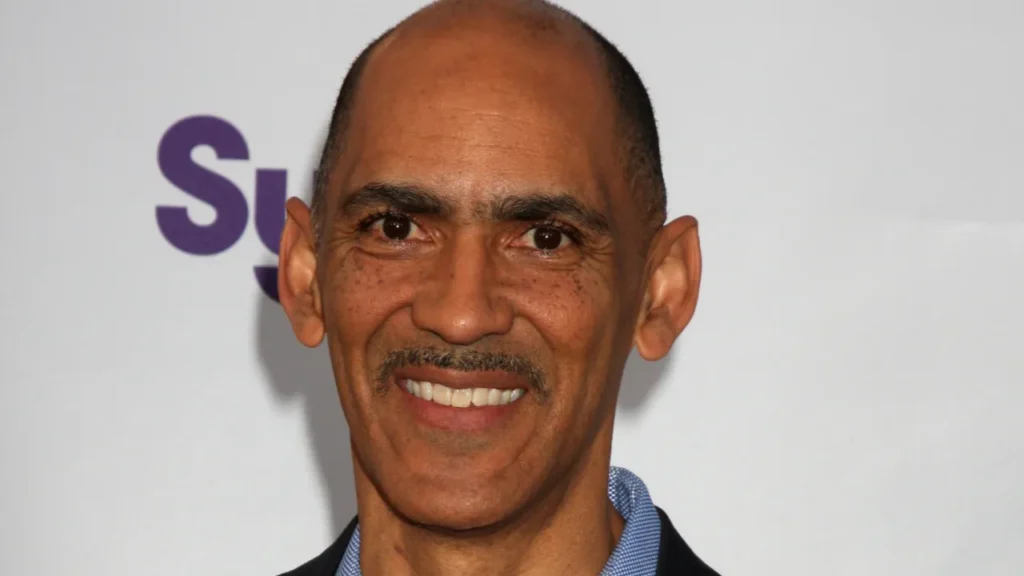
Hall of Fame changes its selection process for 2027
Bill Belichick’s unsuccessful 2026 candidacy intensified scrutiny of the Pro Football Hall of Fame voting process. He fell short of the required 40 votes from the 50-member selection committee.
For the Class of 2027, the Hall reduced its selection committee to 28 members. Each year, 25 members will vote and 3 will participate without voting. The changes also combine eligible modern-era and senior players into a single player pool.
The reforms followed a broader review of the selection process. They change future elections but do not reveal Dungy’s individual vote or establish why particular selectors declined to support Belichick.
Belichick’s coaching record remains difficult to overlook
Belichick’s résumé includes six Super Bowl victories as the Patriots’ head coach and two additional championships as the New York Giants’ defensive coordinator. His sustained success established him as one of the defining coaches of the modern NFL era.
His New England teams also reached nine Super Bowls, reflecting their consistency across multiple seasons. Those achievements have made his Hall of Fame omission particularly difficult for supporters to understand, regardless of their views on the selection process.
Still, Hall of Fame voting involves individual evaluations, eligibility rules and committee decisions. Belichick’s accomplishments remain part of his record, but the controversy demonstrates that even a celebrated career does not guarantee unanimous agreement among selectors.
Dungy’s Hall of Fame legacy extends beyond the voting dispute
Tony Dungy entered the Pro Football Hall of Fame in 2016. He led Indianapolis to a 29–17 victory over Chicago in Super Bowl XLI on February 4, 2007, becoming the first Black head coach to win a Super Bowl.
The game also marked the first Super Bowl featuring 2 Black head coaches, with Dungy facing Chicago’s Lovie Smith. Their meeting remains a significant milestone in NFL history.
Dungy continues to keep his 2026 Hall of Fame vote private. The dispute concerns Belichick’s unsuccessful election and the selection process; Dungy’s silence does not establish how he voted.
Fun fact: Super Bowl XLI was the first championship game in NFL history to feature two Black head coaches: Dungy and the Chicago Bears’ Lovie Smith.
TL;DR
- Tony Dungy refuses to reveal whether he voted for Bill Belichick’s Hall of Fame candidacy.
- Belichick failed to secure the required support for induction in the Class of 2026.
- Dungy says he respects the voting process and will not disclose his individual choice.
- The Hall of Fame revised its selection process for the Class of 2027, reducing the size of the voting committee.
- Dungy remains a Hall of Fame coach and the first Black head coach to win a Super Bowl.
Read More From This Brand:
- Tony Dungy shares his account of leaving NBC Sports
- Tony Dungy loses Hall of Fame voting power months after NBC exit
- “It makes no sense,” Tony Dungy pushes for an NFL scheduling change
This article was made with AI assistance and human editing.