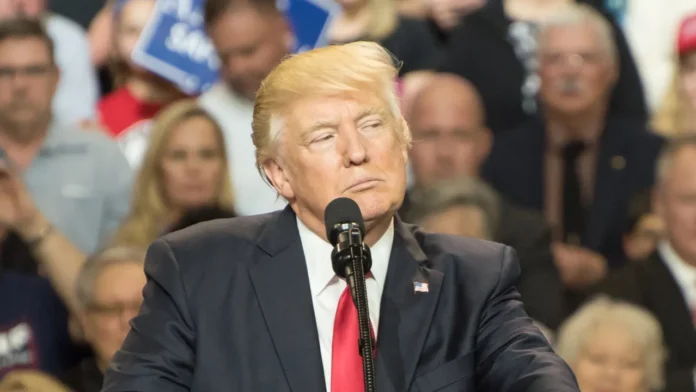
President Donald Trump celebrated a major legislative victory for college athletics after the Senate passed the Protect College Sports Act by a bipartisan 77-22 vote on Sept. 28. The measure now moves to the House, where its path remains uncertain.
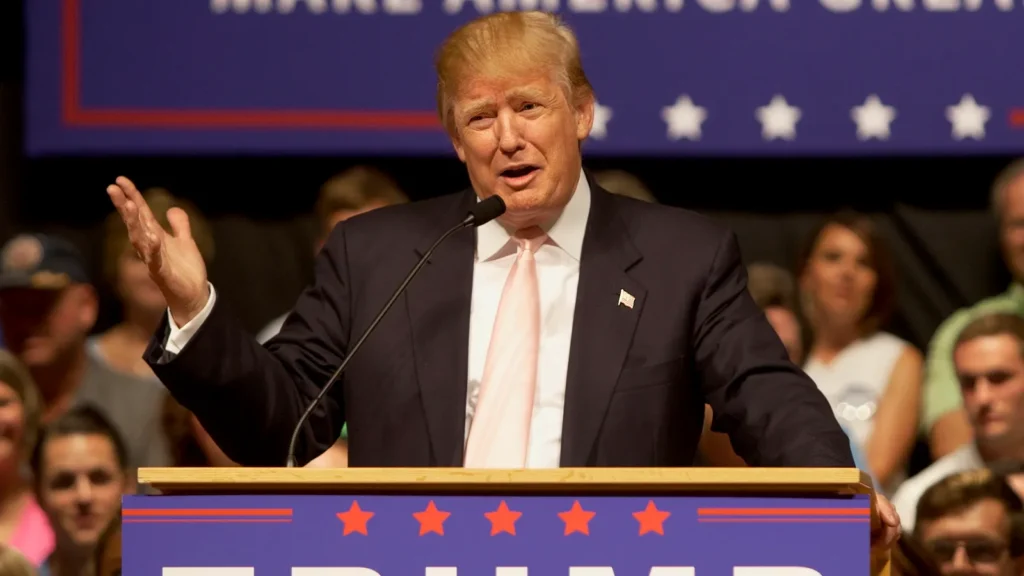
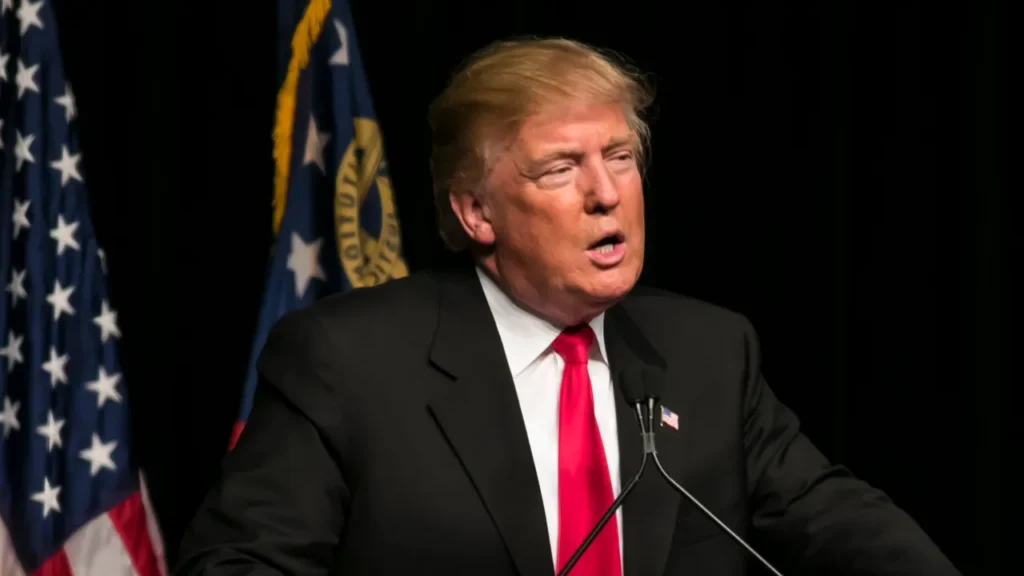
Trump called the Senate result “a really big deal” and said the legislation would “save college sports” and colleges themselves. He has repeatedly supported federal rules for an athletic system increasingly shaped by NIL deals, revenue sharing, transfers and legal disputes.
The Senate vote represents the strongest congressional movement yet toward a nationwide framework for college athletics. The bill would establish rules covering athlete compensation, scholarships, health care, transfers, and Olympic sports while giving schools clearer boundaries.
Trump welcomes the Senate breakthrough
Trump’s reaction came shortly after the Senate approved the legislation Monday night. In his social media post, he praised the result and specifically congratulated Randy Levine, the New York Yankees president, as well as others involved in advancing the measure.
The president has made college sports reform a priority during his second administration. In April, he signed an executive order calling for greater stability around eligibility, transfers, revenue sharing, and financial rules affecting college athletics.
Trump’s support also gives the legislation a clear potential destination if Congress completes the process. He said in August that he would sign the measure immediately if it reached his desk, putting additional pressure on lawmakers to resolve remaining disagreements.
Senate vote delivers bipartisan support
The 77-22 Senate vote showed unusually broad bipartisan backing for a major college sports bill. The legislation was introduced by Republican Sen. Ted Cruz of Texas and Democratic Sen. Maria Cantwell of Washington, who helped negotiate the final framework.
The Senate’s support followed several procedural votes during September. Lawmakers voted 74-24 to advance consideration, later approved the Cruz-Cantwell substitute 77-23, and cleared another procedural hurdle 74-25 before final passage.
The legislation also attracted backing from numerous athletic organizations and colleges. The Senate Commerce Committee said more than 380 colleges and universities and 32 collegiate athletic conferences had supported the measure before final passage.
NIL rules would get a national framework
One of the bill’s central goals is creating federal standards for name, image and likeness compensation. Rather than leaving athletes and schools to navigate a patchwork of rules, the measure would establish nationwide requirements governing NIL agreements and related payments.
The legislation would also require greater transparency around certain NIL arrangements and place restrictions on deals involving associated entities. Supporters argue those provisions could provide schools with clearer financial boundaries while preserving athletes’ ability to earn from their NIL rights.
Revenue sharing is another major element. The bill would allow schools to share athletic revenues with athletes under a federal framework, while establishing a hard limit and rules intended to prevent outside arrangements from creating workarounds.
Athletes would receive broader protections
The proposed law goes beyond compensation by addressing scholarships, health care, and academic protections. Division I schools would be required to cover out-of-pocket medical costs for sports-related injuries or illnesses for 5 years after an athlete’s eligibility ends.
Athletes would also receive stronger scholarship guarantees. The measure includes protections against scholarships being withdrawn because of injury or athletic performance, while providing academic benefits designed to help athletes complete their degrees.
The bill would also establish rules for representation. Agent fees would be capped at 5%, while an agent registry would provide a system for certification and oversight intended to protect athletes from predatory practices.
Transfers and conferences would face new rules
The transfer policy has become one of the most complicated issues in college sports, and the Senate bill attempts to establish clearer national standards. It would allow athletes a one-time transfer with immediate eligibility under the federal framework.
The measure also addresses conference realignment. An amendment adopted before final passage increased the maximum size of a power conference from 19 to 20 institutions, a change that could affect future expansion decisions among major leagues.
Another provision would restrict certain coaching moves during seasons, adding another layer of stability to college programs. Supporters argue that consistent rules could reduce disruption, although critics remain concerned about how much control schools and athletes would retain.
Olympic and women’s sports are part of the plan
The bill is not limited to football and men’s basketball, even though those sports generate much of college athletics’ revenue. Provisions would protect opportunities in women’s and Olympic sports as schools adjust to new financial and compensation rules.
For larger athletic departments, the legislation includes scholarship and roster protections for Olympic and non-revenue sports. The goal is to prevent financial pressures created by the changing college sports model from disproportionately reducing opportunities in those programs.
That issue matters beyond college competition. The U.S. Olympic and Paralympic Committee says more than 84% of American Olympic medalists at the 2024 Paris Games were affiliated with collegiate sports programs, underscoring the system’s importance to Team USA.
Critics warn the bill still has problems
Despite its bipartisan support in the Senate, the legislation has drawn opposition from several Democratic lawmakers and advocacy organizations. Critics argue that the measure could limit athletes’ legal options and does not go far enough to address power imbalances among athletes, schools, and athletic organizations.
Some lawmakers have also questioned why the bill does not place comparable restrictions on coaches and athletic departments. Sen. Cory Booker and others have raised concerns about athlete mobility, compensation, and enforcement under the proposed system.
The Congressional Black Caucus and NAACP have opposed the legislation in its current form, adding another challenge before the House. Their concerns mean that the Senate vote, while significant, does not guarantee that the bill will move through Congress unchanged.
The House now holds the next decision
The Senate’s approval sends the Protect College Sports Act to the House, where the legislation faces a considerably less certain future. House lawmakers have yet to establish a clear timetable for taking up the measure after the Senate victory.
The House challenge is especially important because lawmakers have struggled to reach agreement on previous college sports proposals. Republicans and Democrats remain divided over athlete employment status, antitrust protections, compensation and the balance between national standards and institutional control.
Supporters want Congress to finish the process before the end of the year, but the bill still needs House approval before reaching Trump’s desk. Until that happens, the Senate vote remains a major step rather than a completed overhaul of college sports.
Fun fact: More than 84% of U.S. Olympic medalists at the 2024 Paris Games had collegiate sports ties, according to the U.S. Olympic & Paralympic Committee.
TL;DR
- The Senate passed the Protect College Sports Act 77-22 on Sept. 28.
- Trump called the result a “really big deal” and said it could “save college sports.”
- The bill would create national NIL and revenue-sharing rules.
- Athletes could receive stronger scholarship, health, and academic protections.
- The legislation includes transfer and conference-realignment provisions.
- Women’s and Olympic sports would receive additional protections.
- Critics say the bill could restrict athlete rights and legal options.
- The House must approve the legislation before Trump can sign it.
Read More From This Brand:
- Trump wants his Florida golf club to outlive his presidency
- Why did Trump bring up cheating during his Ireland golf trip?
- “Very little time to play,” Trump complains while praising his golf game
This article was made with AI assistance and human editing.