The WNBA is facing renewed national attention after President Donald Trump called for fans to stop watching the league over players leaving the court before the national anthem. His remarks came during the 2026 WNBA Finals, when the Atlanta Dream and the Golden State Valkyries drew criticism for their pregame routines.
The controversy has sparked debate about patriotism, player expression, and the league’s growing popularity. Trump compared the situation to past national anthem protests in the NFL, arguing that similar actions could damage women’s basketball.
However, the teams’ routines predate his latest comments. Several players have also indicated that the political criticism hasn’t shifted their attention away from the championship series.
Trump calls for fans to stop watching the WNBA
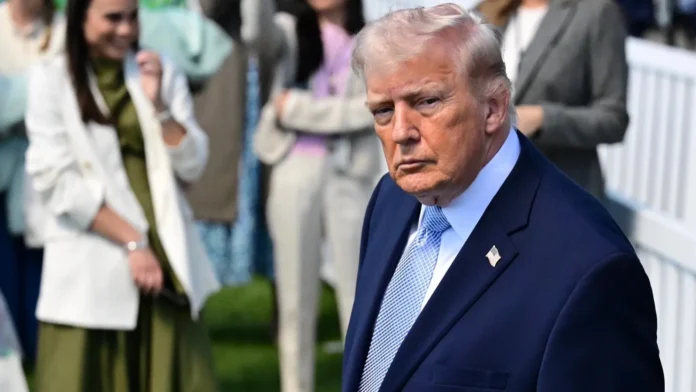
Trump addressed the controversy during a rally in Iowa on Thursday, October 22, criticizing WNBA players for leaving the court before the national anthem. He argued that the league risked damaging its momentum at a time when women’s basketball was attracting increased attention.
The president also urged supporters to stop watching WNBA games unless the situation changed. Comparing the controversy with the NFL’s earlier anthem protests, he suggested that declining viewership had helped bring those demonstrations to an end.
Trump’s comments quickly became part of a broader debate about the league’s pregame traditions. The remarks followed criticism from conservative commentators and Vice President JD Vance, who had also objected to the teams’ absence during the anthem.
Why the Atlanta Dream and Golden State Valkyries leave the court
The controversy intensified during the WNBA Finals between Atlanta and Golden State, with players from both teams absent from the court during the national anthem in the series’ opening games. Their actions attracted attention online, where some critics interpreted the routine as a political protest.
However, leaving the court before the anthem is not a new practice in the WNBA. According to Associated Press reporting, teams have followed similar routines for years, sometimes to express support for social justice causes and sometimes simply to continue their pregame preparations.
Golden State guard Veronica Burton previously explained that going to the locker room during the anthem was part of her team’s established routine. The Valkyries, who entered the league in 2025, had followed the practice since their inaugural season, complicating claims that their actions began as a response to the current controversy.
The WNBA’s anthem policy adds important context
The WNBA’s rulebook describes how players, coaches, and trainers should behave during the national anthem, but questions remain about whether those provisions apply to players who have already left the court. The league’s enforcement history helps explain why teams have maintained their routines without automatically facing disciplinary action.
In 2017, the WNBA suspended its national anthem protocols following the violence associated with a white nationalist rally in Charlottesville, Virginia. The decision gave players and coaches greater freedom to express support for those affected.
The distinction between remaining on the court during the anthem and leaving beforehand is central to the current debate. The teams’ absence has attracted criticism, but the established pregame routines and the league’s suspended protocols help explain why the practice has continued.
WNBA players say the Finals remain their priority
The reaction from players has largely centered on keeping their attention on basketball rather than the political discussion surrounding the series. Atlanta guard Allisha Gray said Friday that she was focused on the Finals and was not spending time on social media following the criticism.
Golden State forward Kiah Stokes expressed a similar approach, emphasizing the importance of staying connected with teammates and staff. Her comments reflected a desire to maintain the team’s preparation and unity despite the attention surrounding the anthem controversy.
The responses have not resolved the disagreement over the teams’ routines, but they show how players are approaching the situation publicly. Neither Gray nor Stokes presented the controversy as a reason to change their immediate priorities during the championship series.
Why Trump’s NFL comparison matters
Trump’s comparison with the NFL brings a previous sports controversy into the current discussion. Beginning in 2016, several NFL players protested racial injustice and police brutality by kneeling during the national anthem, most notably after former San Francisco 49ers quarterback Colin Kaepernick began his protest.
Those demonstrations prompted intense disagreements among fans, politicians, players, and team officials. Trump repeatedly criticized NFL players who knelt, turning the issue into a national political debate that extended well beyond football.
The circumstances in the WNBA are different because leaving the court before the anthem is not the same action as kneeling during it. The distinction matters when comparing the two situations, particularly because WNBA teams have used the pregame routine for several years and players have offered preparation-related explanations.
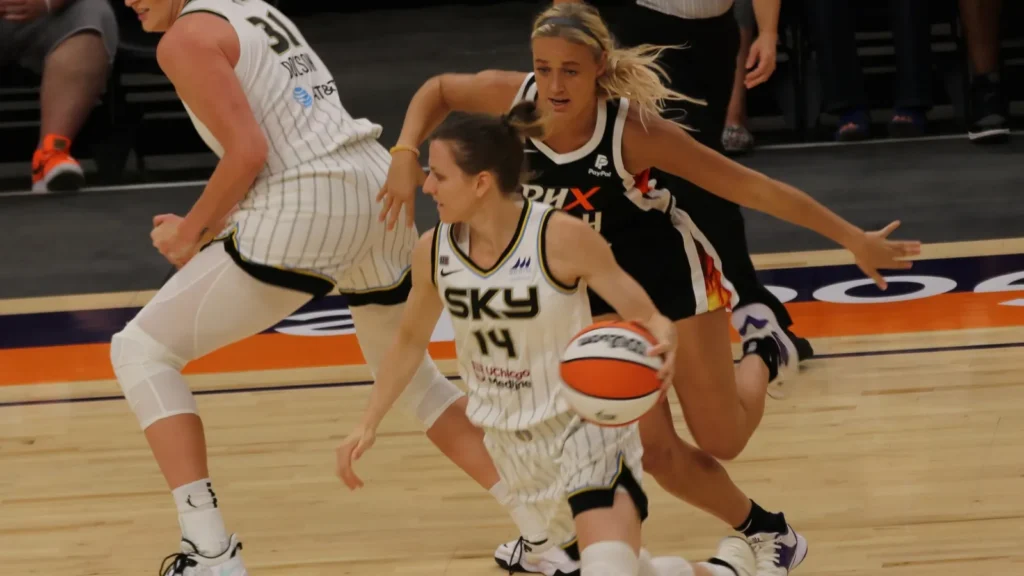
Fun fact: The WNBA’s original basketball was designed with orange-and-oatmeal-colored panels so viewers could better see the ball’s rotation on television.
The controversy arrives as women’s basketball attracts attention
The dispute comes during a period when the WNBA has been working to build on increased public interest in women’s basketball. High-profile players, competitive rivalries, and expanded attention from sports media have helped bring the league to a wider audience.
That broader momentum makes the controversy significant beyond the anthem itself. Public discussion now includes questions about whether political disputes will affect the league’s image, how teams manage established routines, and how supporters interpret players’ actions.
There is no evidence yet that Trump’s boycott appeal has caused a measurable decline in WNBA viewership. His comments establish his position on the issue, but they do not demonstrate how fans will respond or whether the dispute will affect the league’s longer-term commercial growth.
The WNBA Finals continue amid the backlash
As of October 28, the national anthem controversy continues to attract attention while the Golden State Valkyries and Atlanta Dream compete for the 2026 WNBA championship. Golden State leads the best-of-7 series 3–2 after defeating Atlanta 64–55 in Game 5 on October 26.
The WNBA declined to comment on Trump’s remarks when contacted by the Associated Press. Meanwhile, the players’ reported responses have emphasized preparation and maintaining focus on the championship series rather than the political controversy.
Game 6 is scheduled for October 29 at State Farm Arena in Atlanta, with Golden State 1 victory away from winning the title. Despite the outside attention, the players’ comments indicate that preparation and team unity remain priorities during the championship race.
TL;DR
- President Donald Trump urged fans to boycott the WNBA over teams leaving the court before the national anthem.
- The Atlanta Dream and Golden State Valkyries have followed the pregame routine during the 2026 WNBA Finals.
- Similar routines have existed in the league for years, and enforcement of its anthem protocols was suspended in 2017.
- Atlanta’s Allisha Gray and Golden State’s Kiah Stokes said their focus remained on the Finals.
- The impact of Trump’s comments on WNBA viewership remains unclear.
This article was made with AI assistance and human editing.
Read More From This Brand: