

The modern NHL delivers momentum swings that catch even seasoned fans by surprise.
Hockey games shift in seconds, not minutes. Games shift in seconds, not minutes. What looked like a comfortable lead evaporates before the commercial break ends.
The speed of these changes has transformed how teams approach every shift and how fans experience the emotional rollercoaster of hockey. Understanding why momentum flips so quickly reveals the hidden dynamics that make today’s game more unpredictable than ever.
Ready to see what drives these lightning-fast shifts? Let’s break down the factors reshaping NHL momentum.
Higher Scoring Creates Volatile Swings
The elevated scoring environment makes every goal more impactful than in previous eras.
The 2023 to 2024 regular season averaged roughly 6.2 goals per game, marking the third straight season at or above six goals. This elevated baseline widens the range of possible outcomes during every period. Each goal carries more weight in shaping the final result.
Higher scoring means leads evaporate faster than they did a decade ago. Teams that once protected one-goal advantages now face constant pressure. The math is simple but brutal for defending teams trying to hold slim margins late in games.
Comeback Wins Happen at Record Rates
Teams trailing in the third period now win more often than statistical models predicted.
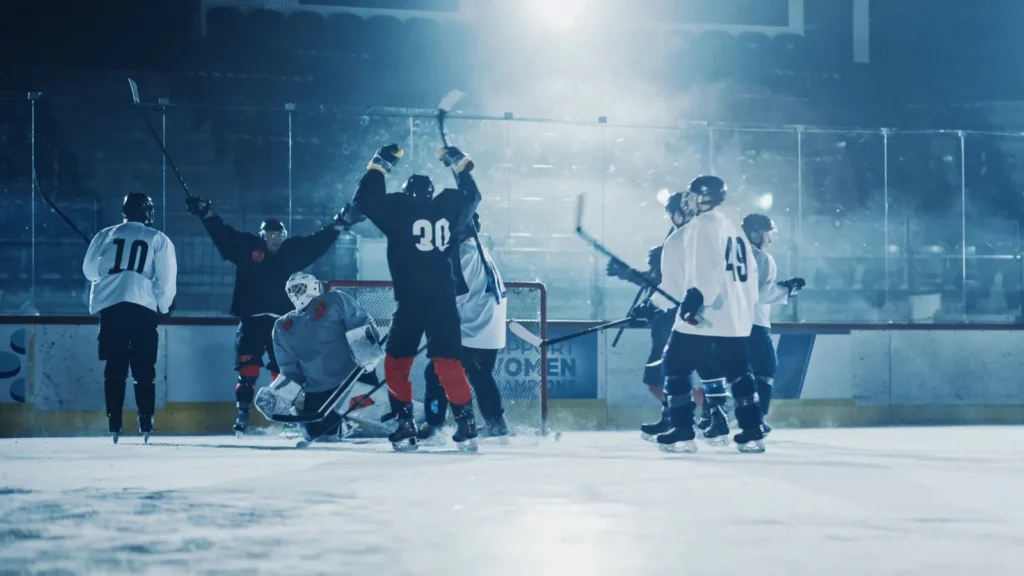
In recent seasons, the NHL has recorded over 500 comeback wins, a league record. Of those comebacks, over 200 took place with teams down in the third period. A two-goal lead no longer provides the security it once did for teams trying to close out games.
Oddsmakers constantly adjust their lines based on momentum, scoring chances, and time remaining. The frequency of these rallies has fundamentally changed how both teams and fans view late-game deficits. No lead feels truly safe anymore in modern hockey.
The Second Period Amplifies Momentum Shifts
The long change during the second period creates unique conditions for rapid momentum swings.
Period two saw a 21.4 percent jump in the number of penalties called compared to other periods. Players get stuck on the ice longer, fatigue sets in faster, and defensive breakdowns become more common. These factors combine to create explosive scoring opportunities that shift games quickly.
The extended distance to the bench forces tired defenders to stay on ice against fresh attackers. Smart teams exploit this disadvantage by pushing the pace and creating odd-man rushes. Momentum can flip entirely within a single extended shift during this critical middle frame.
Special Teams Spark Instant Momentum Reversals
Power plays convert at historically high rates, turning penalties into game-changing events.
NHL power play conversion rates have exceeded 20 percent on average in six of the last eight seasons. A single penalty can instantly erase a deficit or extend a lead. These high success rates mean teams view penalties as potential turning points rather than minor setbacks.
The psychological impact extends beyond the scoreboard. A power play goal energizes the scoring team while deflating opponents. Coaches now manage emotions around these swings, knowing that one special teams sequence can completely redirect a game’s flow and change everything.
Parity Creates Unpredictable Outcomes
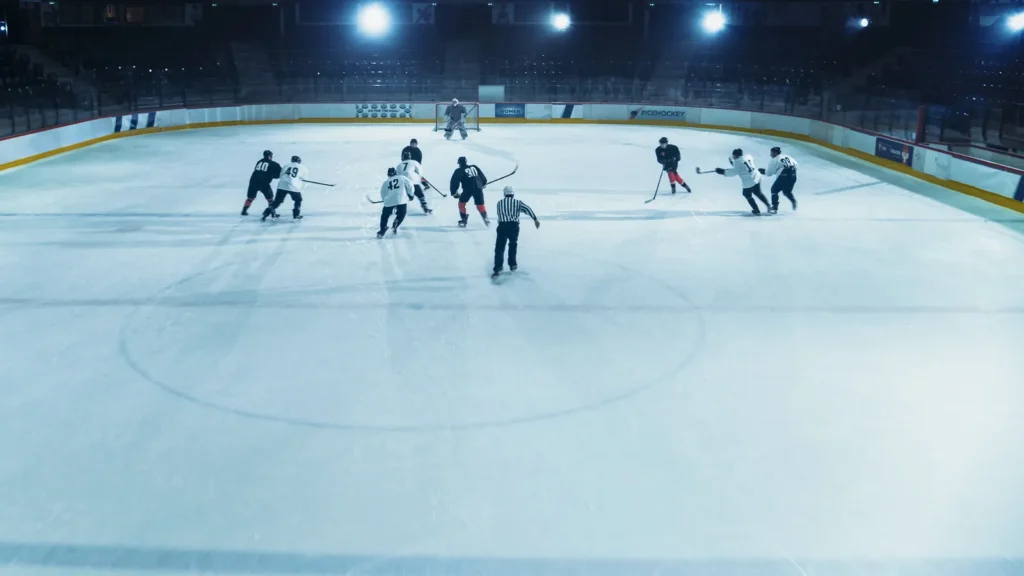
The tight standings across the league mean any team can beat any opponent on any night.
Cap constraints and talent distribution have compressed the gap between top and bottom teams. Elite squads have lost key players to salary restrictions. Meanwhile, rebuilding teams have matured and added impact talent through the draft. This compression makes every matchup competitive and outcomes less predictable.
When standings bunch together, teams play with desperation for every point. Close games breed tight third periods where momentum swings become magnified. The difference between playoff positions often comes down to which teams capitalize on these narrow margin situations when everything hangs in the balance.
Invisible Metrics Reveal Hidden Momentum
Advanced tracking shows momentum shifts before they appear on the scoreboard.
Momentum in hockey is not always visible in traditional box scores. It shows up in puck possession patterns, shot location quality, favorable line matchups, and player fatigue levels. By the time fans notice the shift reflected in goals, the underlying momentum has already changed hands multiple times.
Ice tilt metrics now measure territorial control and predict which team holds the advantage. These data points reveal momentum building before goals are scored. Teams that read these invisible signals adjust their strategies while fans remain unaware of the gathering storm about to break.
Strategic Adjustments Happen Mid-Game
Coaches make real-time tactical changes that flip momentum in unexpected ways.
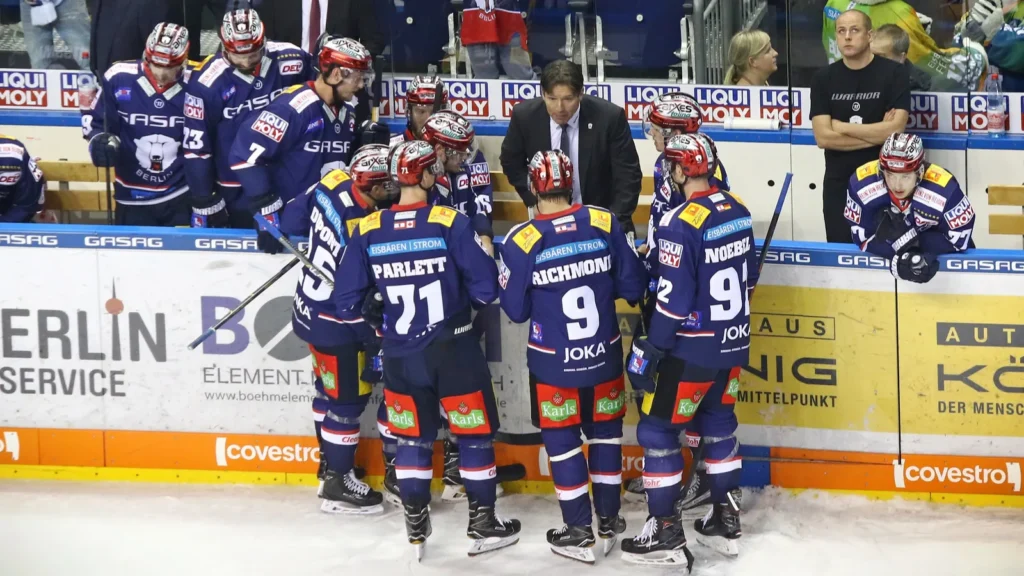
Modern coaching involves constant line matching and system adjustments during games. A simple line change or defensive zone scheme alteration can neutralize an opponent’s momentum. These tactical shifts often go unnoticed by casual viewers but create the conditions for rapid momentum reversals.
Teams also exploit specific pressure points in games. The first shifts of periods, final minutes before intermission, and moments immediately after goals scored all represent critical junctures. Smart teams recognize these windows and push aggressively to seize control when opponents are most vulnerable to momentum swings.
Fan Expectations Lag Behind Game Reality
Spectators still view leads through the lens of lower-scoring eras.
Many fans remember when a two-goal lead in the third period meant the game was essentially over. That reality no longer exists in today’s high-scoring, comeback-friendly NHL. Yet fan expectations have not fully caught up with how quickly modern games can flip despite what experience tells them.
Last season, 43 percent of games were comeback victories, the second-highest rate in NHL history. These numbers prove that momentum swings happen faster and more frequently than ever before. Fans who understand this new reality enjoy the chaos rather than fight against it and appreciate the unpredictability.
TL;DR
- The modern NHL averages 6.2 goals per game, creating more volatile momentum swings than previous eras.
- Over 500 comeback wins occurred in recent seasons, with over 200 from third-period deficits.
- The second period sees a 21.4 percent jump in penalties, amplifying momentum shifts.
- Power play conversion rates above 20 percent turn penalties into instant game-changers.
- League parity means any team can beat any opponent, making outcomes less predictable.
- Fan expectations have not caught up with the reality that 43 percent of games are comeback victories.
Read More:
- NHL players mastering hidden skills beyond the spotlight
- Ranking the greatest goalies in NHL history
- Historic NHL overtime games that still haunt fans
This article was made with AI assistance and human editing.