
Shot-blocking has become one of the most important parts of modern hockey.
Players today do far more than skate fast, pass well, or fire hard shots. They also throw their bodies in front of the puck to stop scoring chances before they ever reach the goalie. This is a tough, sometimes painful job, but it’s now a key part of how NHL teams defend.
Over the last few seasons, blocked shots have increased across the league. Teams are thinking differently about defense, and coaches are building systems that expect players to sacrifice for the team. Shot-blocking has become a planned skill, not a last-second act of bravery. In this article, we’ll break down why shot-blocking keeps rising, how it works within team strategy, and what risks players face when doing it.
The Rise of Shot-Blocking in Modern Hockey
Blocked Shots Are Increasing Across the NHL
In recent seasons, the NHL has seen a major rise in shot-blocking. Team totals and per-game averages have climbed, showing that players are stepping in front of the puck more than ever. Analysts have pointed out that blocked-shot rates in the 2023–24 season were some of the highest the modern league has seen. This isn’t just a small trend; it’s a clear shift in how teams defend.
Teams Copy What Works
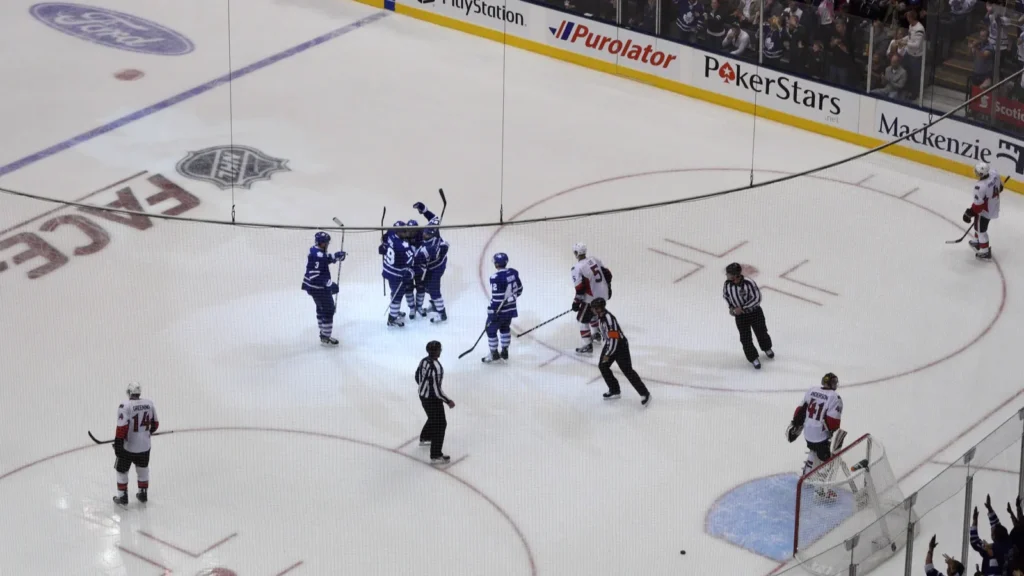
When a team wins by using a certain defensive style, other teams pay attention. One example is the Vegas Golden Knights, who were known for blocking a high volume of shots during their Stanley Cup run.
While blocking alone didn’t win them the Cup, their success showed other teams that shot-blocking can be a strong tool when used in the right system. Because of this, many teams have added more focus on blocking lanes and getting in shooting paths.
Better Gear Makes Blocking More Manageable
Shot-blocking is still dangerous, and injuries can still happen, especially to feet and lower legs. But equipment has slowly improved over time. Skates, pads, and protective materials are stronger and lighter than they used to be. These upgrades don’t remove the risk, but they do help players handle the impact better than in past eras.
The Way Players Shoot Has Changed
Hockey offenses rely more on quick wrist shots and snap shots than big slap shots. These quicker shots happen more often and from different parts of the ice. Because of that, defenders are naturally in more shooting lanes. While these shots still hurt to block, their quicker release sometimes makes them easier to predict and intercept.
The Strategic Value of Shot-Blocking
Blocking Reduces Dangerous Scoring Chances
The clearest benefit of blocking shots is simple: the puck never reaches the net. Every successful block removes a scoring chance instantly. Over a full game or full season, these blocks can prevent dozens of shots that might have resulted in rebounds, tips, or goals.
Shot-Blocking Helps the Goalie
When defenders block shots, goalies face fewer pucks. That keeps goalies fresher, reduces rebound chaos, and helps them stay focused on the shots that do get through. Many goalies also communicate with their defense to direct where and when to block, making shot-blocking part of a larger system rather than a random reaction.
Blocks Can Lead to Defensive Control or Transition
When a player blocks a shot cleanly, the defending team often keeps control of the play. Sometimes the blocked puck drops near the defender’s feet, giving them a chance to clear the zone. In other cases, a block can start an immediate counterattack. Not every block turns into offense, but enough of them create momentum that teams see blocking as a potential spark, not just a defensive act.
Shot-Blocking Fits Into Today’s Analytics
Modern hockey analytics track shot attempts, not just shots on goal. These stats help teams understand puck control and pressure. Because blocked shots count as shot attempts in some metrics, they influence how teams interpret defensive performance. While blocks alone do not equal success, smart blocking fits into larger systems focused on keeping shots to the outside and limiting high-danger chances.
The Risks and Challenges of Shot-Blocking
Injuries Still Happen
Even with better equipment, blocking a puck traveling at high speed is dangerous. Players risk bruises, fractures, and painful stingers. Feet and ankles are especially vulnerable. Some players have missed significant time after taking a puck off the foot or leg.
The Physical Toll Adds Up
Shot-blocking is a season-long grind. The constant impacts wear players down, even if they aren’t officially injured. This can affect skating power, stamina, and confidence. Players known for blocking shots often carry heavy bruising deep into the season.
Blocking Does Not Always Predict Winning
While many good teams block shots, simply ranking high in blocked shots does not guarantee success. Teams that control the puck well don’t need to block as many shots because they spend less time defending. Relying too much on blocking can mean a team is defending too often, which is not a winning formula by itself.
Overcommitting Can Backfire
If a defender drops too early to block a shot, they may take themselves out of the play. Skilled offenses can fake shots, move the puck, and create better scoring chances. Coaches teach players to block smartly, not blindly. Timing and positioning matter as much as courage.

Frequently Asked Questions
Q: Has shot-blocking really increased?
Yes. League shot-blocking totals and per-game numbers have climbed in recent seasons, and analysts consider the rise significant.
Q: Why are teams blocking more shots now?
Players have better gear, coaches stress team defense more heavily, and teams copy successful defensive systems. On top of that, modern offenses take more quick shots, giving defenders more chances to step into shooting lanes.
Q: Can blocking shots help create offense?
Yes. While not every block creates a counterattack, many blocks allow defenders to regain control or start a transition play. Coaches teach players how to recover the puck quickly after a block.
Q: Isn’t shot-blocking risky?
It is. Players put themselves in harm’s way every time they block a shot. Better equipment helps, but risk is always part of the job. Teams work to balance the benefits with the physical cost.
Q: Does blocking shots mean a team will win more?
Not by itself. Some high-blocking teams win a lot, but others don’t. Winning still depends on puck possession, goalie performance, and overall defensive structure. Shot-blocking is one piece of the puzzle.
Conclusion
- Shot-blocking has become a key part of modern NHL defense.
- Teams use it to reduce scoring chances and support their goalie.
- It can help start transitions and change momentum.
- Better equipment helps, but blocking still carries real injury risks. Smart blocking, not reckless blocking, leads to success.
- Shot-blocking works best when it’s part of a balanced, well-coached defensive system.
Read More:
- NHL Trades That Changed Hockey Forever
- Forgotten NHL Franchises and Their Lasting Influence
- Unforgettable Olympic Hockey Moments For Team USA
This article was made with AI assistance and human editing.