
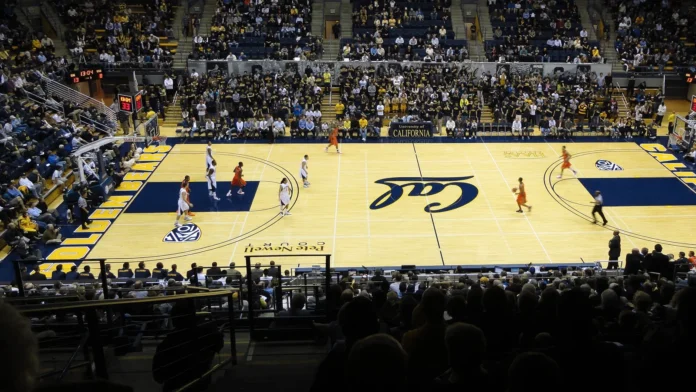
Certain NBA venues create nightmares for road teams through altitude, noise, and intimidation.
Visiting teams dread stepping into certain NBA arenas for good reason. Some buildings feel cursed from the moment players step off the bus. The league features venues where winning feels nearly impossible for outsiders.
These environments combine physical challenges with psychological warfare. Home teams exploit every advantage from elevation to crowd noise. Understanding why some arenas haunt visitors reveals the hidden side of basketball competition.
Let’s explore what makes these buildings so terrifying.
Denver’s Altitude Creates Physical Nightmares
The Mile High City turns basketball into a breathing contest for unprepared visitors.
Denver sits 5,280 feet above sea level, creating legitimate physical challenges. Lower barometric pressure means less oxygen reaches working muscles. Players experience fatigue, headaches, and shortness of breath during games. Visiting teams struggle to maintain energy as quarters progress.
The Nuggets embrace this advantage with aggressive pace and conditioning. They push tempo early to maximize opponent discomfort. Aaron Gordon admitted he couldn’t feel his muscles when visiting Denver as an Orlando player. The franchise owns the largest home versus road winning percentage gap in NBA history.

Utah’s Steep Bowl Amplifies Every Sound
Salt Lake City’s arena design creates an acoustic chamber that suffocates opponents.
The Delta Center features unusually steep seating that funnels noise directly onto the court. Fans sit almost on top of players, creating intense pressure. A 2008 NBA players’ poll named it the most intimidating arena, with 20 percent of the votes. The building’s hard surfaces bounce sound in all directions simultaneously.
Jazz crowds have earned reputations as the league’s most hostile fan base. Visiting players consistently cite the verbal intensity and sustained volume. The steep configuration also limits escape routes psychologically. Every mistake gets amplified by thousands of screaming fans mere feet away.
Madison Square Garden Carries Historical Weight
New York’s legendary venue intimidates through reputation and rabid supporters.
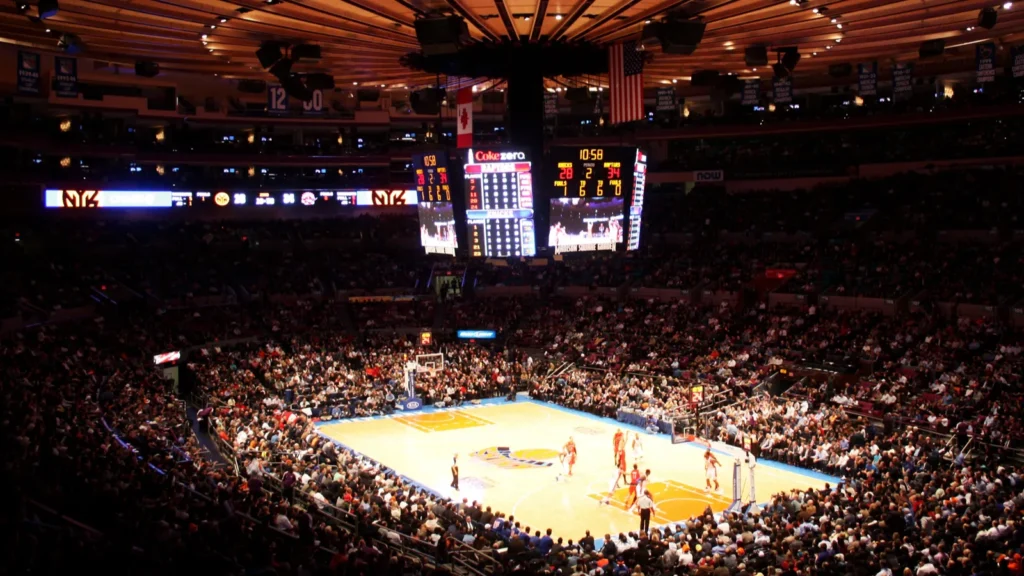
Madison Square Garden holds mythical status as basketball’s most famous stage. Players grow up hearing about legendary performances on this court. The history and visibility create unique pressure on visiting teams. Stars feel compelled to perform, while role players often shrink.
Knicks fans bring unmatched passion and basketball knowledge to games. They recognize defensive breakdowns and exploit mental mistakes with targeted heckling. The Midtown Manhattan location adds another layer of distraction. Young players especially feel overwhelmed by the combination of history and hostility.
Home Court Advantage Remains Statistically Real
The numbers prove that playing at home provides a measurable competitive edge.
NBA teams win roughly 61 percent of home games, according to recent comprehensive studies. This advantage exists across conferences and team quality levels. Western Conference teams show slightly higher home winning percentages than Eastern squads. The gap widens significantly during playoff series when the stakes rise.
Home teams benefit from familiar surroundings and elimination of travel fatigue. Sleeping in personal beds and eating regular meals matter for performance. Referees also unconsciously favor home teams in close calls. These factors combine to create consistent competitive advantages throughout seasons.
Familiar Court Features Provide Subtle Edges
Home teams know their building’s quirks that visiting players discover mid-game.
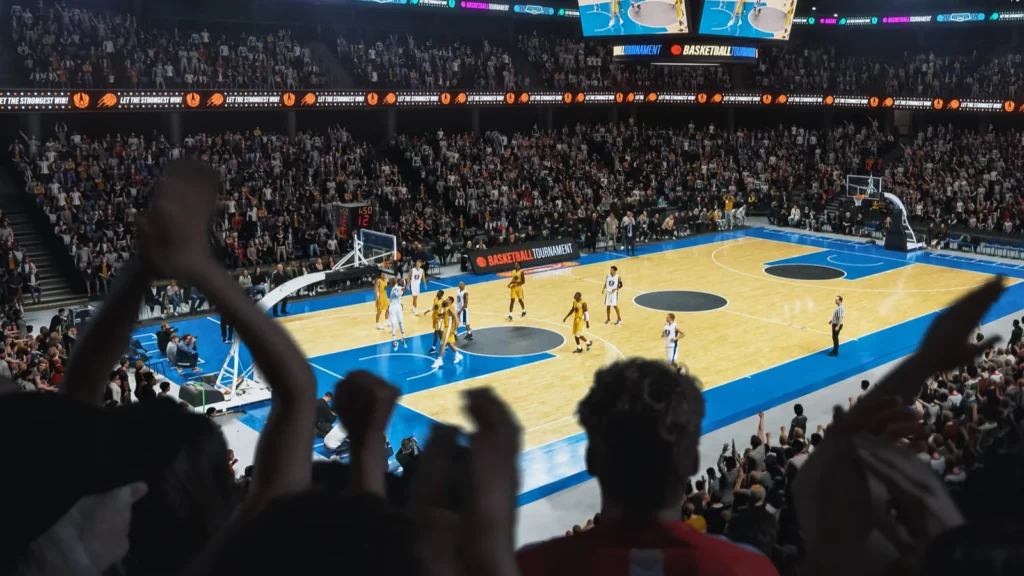
Every arena has unique characteristics, from lighting angles to basket stiffness. Sight lines vary based on the architectural design behind the hoops. Floor surfaces age differently, creating varied ball bounces. Home players practice daily in these exact conditions.
Visiting teams adjust on the fly to unfamiliar depth perception and backgrounds. Shooters need time to calibrate the arc and touch to new rims. These micro adjustments seem minor, but affect shooting percentages meaningfully. The comfort of daily practice in identical settings cannot be replicated.
Crowd Noise Impacts Decision Making
Deafening arenas force visiting players into mental mistakes under pressure.
Hostile crowds create communication breakdowns that lead to defensive errors. Players miss audible play calls in crucial moments. The constant noise elevates stress hormones that impair judgment. Visiting teams rush shots and force passes, trying to silence crowds.
Home fans time their loudest moments to maximize disruption on key possessions. Free-throw distractions cause concentration lapses at the line. Referees struggle to hear over the crowd roar during close calls. The psychological impact of thousands screaming against you affects even professionals.
Playoff Atmosphere Intensifies Home Advantages
Postseason pressure magnifies every home-court factor to extreme levels.
Home teams with a playoff advantage win roughly 74 percent of series historically. The intensity multiplies in elimination games at home venues. Crowds reach decibel levels that physically hurt ears. Every possession feels like warfare with fans invested completely.
Road teams face not just opponents but entire cities rooting against them. The pressure to steal games in hostile environments crushes confidence. Game seven home teams win at overwhelming rates. These winner-take-all contests showcase home court advantage at peak power.
Travel Schedules Exhaust Road Teams
Constant movement across time zones wears down visiting players physically.
NBA teams endure 82-game schedules with frequent cross-country flights. Players deal with jet lag, irregular sleep patterns, and disrupted routines. The physical toll accumulates over months of constant travel. Home teams simply walk into their building fresh every night.
Eastern teams traveling west face particularly difficult adjustments with time changes. Bodies struggle to perform at peak levels during biological down times. Hotel rooms never replicate home comfort for quality sleep. The cumulative fatigue gives home squads subtle but real performance edges.
TL;DR
- Denver’s altitude causes genuine physical fatigue in unprepared visiting players.
- Utah’s steep arena design creates suffocating noise that overwhelms opponents.
- Madison Square Garden intimidates through its legendary status and passionate fans.
- Home teams win 61 percent of NBA games due to multiple advantages.
- Travel fatigue from constant movement drains the road team’s performance consistently.
- Hostile crowds force mental mistakes through communication breakdowns and stress.
- Familiar court quirks give home players subtle but meaningful shooting edges.
- Playoff series magnify home advantages with 74 percent historical win rates.
Read More:
- Unforgettable buzzer-beaters that changed NBA history
- Why NBA road wins matter more than standings suggest
- The hidden NBA stats casual fans never notice
This article was made with AI assistance and human editing.