
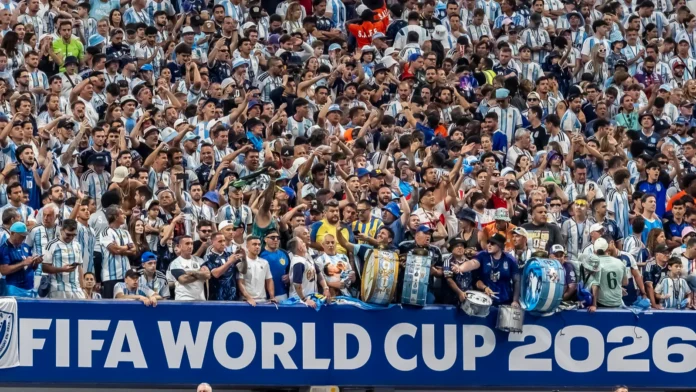
Argentina arrived at the 2026 World Cup as defending champion and one of international football’s most successful teams. It’s run to another final has nevertheless been surrounded by refereeing disputes, supporter controversies, and renewed political tensions.
Lionel Messi remains one of the tournament’s biggest attractions, but his team has also become a target for rival supporters. Disputed VAR decisions and dramatic comeback victories have intensified accusations that Argentina receives favorable treatment.
The backlash does not mean everyone is rooting against Argentina. The team retains enormous global support, but its sustained success has made every decision, celebration, and confrontation subject to greater scrutiny.
Why Argentina entered the tournament with a target on its back
Argentina began the tournament seeking to become the first nation since Brazil in 1962 to win consecutive men’s World Cups. That status ensured every opponent approached the defending champion with added motivation.
Lionel Scaloni’s team has won the 2021 Copa América, the 2022 World Cup, and the 2024 Copa América. That run has transformed Argentina from a rebuilding team into the standard every rival wants to defeat.
Dominant teams often attract stronger opposition and more criticism as their winning runs continue. Argentina’s success has therefore produced admiration among supporters and growing resentment among rivals.
Refereeing accusations put Argentina under a brighter spotlight
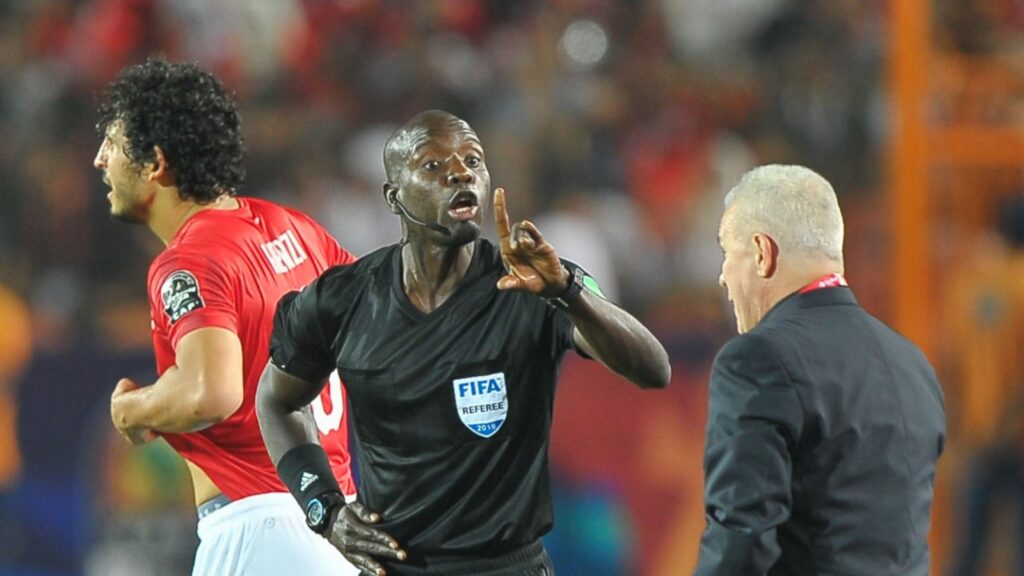
Questions about Argentina’s treatment intensified after its dramatic Round of 16 victory over Egypt. Egypt coach Hossam Hassan alleged that officials may have felt pressure to keep Messi and Argentina in the tournament.
Hassan said his team had been “cheated” after losing a 2-goal lead and being eliminated 3-2. The Egyptian Football Association also submitted a formal complaint concerning several refereeing and VAR decisions.
FIFA refereeing chairman Pierluigi Collina rejected allegations that officials had favored Argentina. He warned that unsupported accusations can place referees and their families at risk.
The Egypt comeback became a World Cup flashpoint
Argentina trailed Egypt 2-0 with only 11 minutes remaining in their Round of 16 match in Atlanta. Cristian Romero began the comeback before Messi equalized and Enzo Fernández scored the stoppage-time winner.
Egypt had a goal disallowed and disputed another major decision before Argentina’s recovery began. Those moments became central to claims that the defending champion had benefited from inconsistent officiating.
The disputed calls do not prove that officials deliberately favored Argentina. However, the extraordinary comeback ensured the controversy continued long after the final whistle.
Argentina and England renewed a bitter World Cup rivalry
Argentina’s semifinal against England revived one of international football’s most famous rivalries. The countries had not faced each other competitively since the 2002 World Cup.
England led through Anthony Gordon before Argentina launched a dramatic late comeback. Fernández equalized in the 85th minute, and Lautaro Martínez headed in the winning goal during stoppage time.
Messi assisted both Argentina goals in the 2-1 victory on July 15. The result sent Argentina into a second consecutive World Cup final and ended England’s hopes of winning its first title since 1966.
The rivalry carries decades of history
Tension between Argentina and England extends far beyond their latest semifinal. Antonio Rattín’s dismissal during the 1966 World Cup became one of the rivalry’s earliest major flashpoints.
Diego Maradona then scored his famous “Hand of God” goal against England at the 1986 World Cup. The match took place 4 years after the Falklands War, adding a lasting political dimension to the sporting rivalry.
The political tension resurfaced after the 2026 semifinal, when some Argentina players displayed a flag depicting the Falkland Islands as Argentine territory. That gesture added another controversial chapter to an already combustible rivalry.
Supporter conduct adds to Argentina’s image problem
Criticism has also focused on the conduct of some Argentine supporters. FIFA opened an investigation after a fan was accused of racially abusing streamer IShowSpeed during the match against Cape Verde.
Separate footage from the Egypt game showed Argentina supporters taunting opposing fans and throwing drinks. Those scenes contributed to the perception that the hostility surrounding the team extends beyond events on the field.
Critics also revived discussion of the discriminatory chant recorded during Argentina’s 2024 Copa América celebrations. These incidents involved specific individuals and should not be attributed to every Argentina supporter or to the country as a whole.
Little-known fact: Argentina won its first men’s World Cup as the host nation in 1978. The tournament took place while the country was governed by a military dictatorship.
Latin American support is more divided than it appears
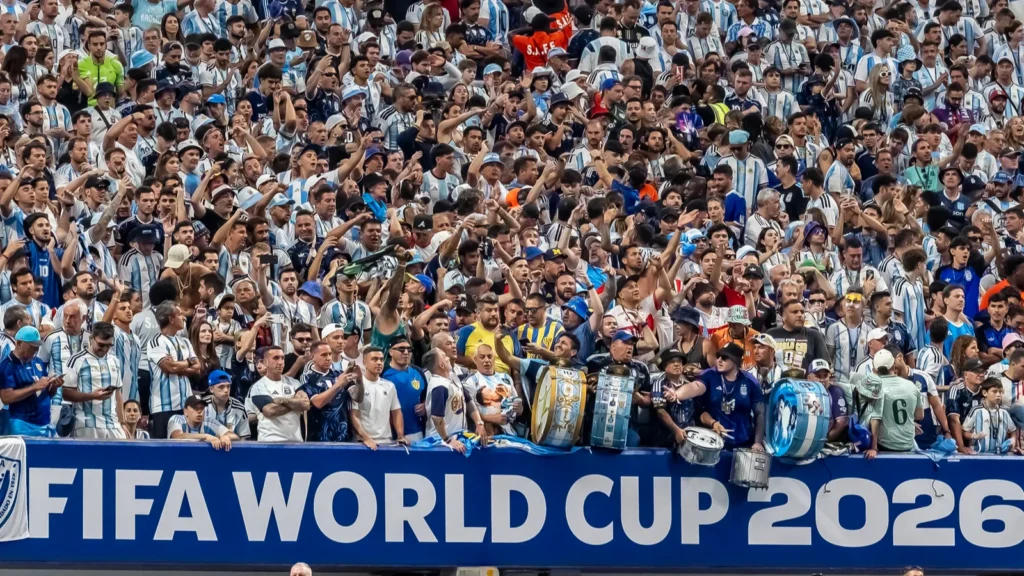
Argentina remains a source of regional pride for many Latin American football supporters. Others openly support its opponents for historical rivalries, past tournament disputes, or frustration with the team’s continued dominance.
That division became visible during Argentina’s difficult knockout matches against Cape Verde and Egypt. Underdog supporters often rallied behind Argentina’s opponents rather than the reigning champion.
There is no reliable evidence that Latin American support for Argentina has uniformly collapsed. The more accurate conclusion is that the team inspires unusually strong support and opposition across the region.
Scaloni’s remarkable record fuels the debate
Scaloni had recorded 72 wins, 18 draws, and only 9 defeats through his first 99 matches as Argentina coach. His team then added more victories during its run to the 2026 World Cup final.
That consistency has made Argentina one of the most difficult teams to defeat in international football. It has also ensured that disputed decisions involving the team receive exceptional attention.
Supporters view the backlash as proof that Argentina has returned to the top of the sport. Critics believe its dominance makes transparency and consistent officiating more important than ever.
Argentina is now 1 win away from history
Argentina defeated England 2-1 to reach the World Cup final against Spain. The title match will be played on July 19 at New York-New Jersey Stadium in East Rutherford.
A victory would give Argentina its fourth men’s World Cup title. It would also make Scaloni’s team the first back-to-back champion since Brazil won the 1958 and 1962 tournaments.
Spain enters the final as the reigning European champion and one of the tournament’s strongest teams. The matchup gives Argentina one final opportunity to answer its critics on the field.
Why the backlash may continue after the final
Winning another World Cup would strengthen Argentina’s claim to being the defining international team of its era. It would also bring even greater scrutiny to every disputed decision from the tournament.
A defeat would not immediately end the arguments surrounding refereeing, supporter behavior, and political gestures. Those controversies have already become part of the wider story of Argentina’s 2026 campaign.
Argentina is not universally disliked, but it has become one of the tournament’s most polarizing teams. That combination of extraordinary success and constant controversy ensures the debate will continue beyond the final.
TL;DR
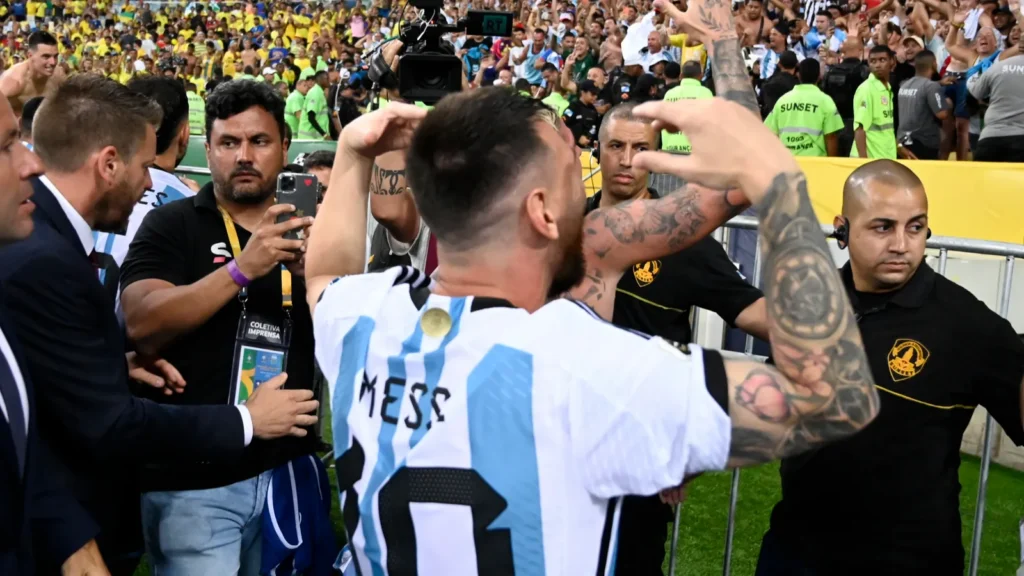
- Argentina entered the 2026 World Cup as defending champion and advanced to a second consecutive final. Its run has been accompanied by refereeing complaints, supporter controversies and renewed political tensions.
- The 3-2 comeback against Egypt generated allegations of favoritism toward Messi and Argentina. Collina rejected those claims and defended the integrity of the tournament’s officials.
- Argentina later defeated England 2-1 in a semifinal shaped by decades of sporting and political rivalry. Messi assisted both goals during the dramatic late comeback.
- Argentina will face Spain in the World Cup final on July 19. A victory would make it the first nation since Brazil in 1962 to retain the men’s World Cup.
If you liked this story, don’t forget to follow us for more exclusive content.
This article was made with AI assistance and human editing.
If you liked this, you might also like: