
The WNBA is enjoying record-setting attention, but criticism of its media access policies is raising questions about how much freedom journalists have to cover the league during its most important games. Veteran sports journalists Jemele Hill and Cari Champion have argued that restrictions on reporting could undermine the league’s continued growth.
Their concerns resurfaced during the October 2026 playoffs, when Hill questioned the Golden State Valkyries’ reported lack of media availability during the semifinals. An earlier credential dispute involving an Indiana Fever reporter had also raised questions about relations between teams and journalists.
The controversy also comes as the WNBA attracts larger audiences and prepares for further expansion. With more fans following teams and players, access to reliable reporting has become an increasingly important part of the league’s relationship with the public.
Jemele Hill and Cari Champion challenge the league’s approach
Hill and Champion discussed the issue on their Flagrant and Funny podcast, arguing that media restrictions can make it harder for journalists to cover players and teams comprehensively. Hill specifically questioned why the Golden State Valkyries reportedly went 3 days without media availability during the semifinals.
Champion suggested that some organizations may be uncomfortable with critical reporting. Her argument was that professional teams must accept scrutiny alongside favorable coverage, particularly when public interest in their players, decisions and performances continues to grow. These comments reflect the broadcasters’ assessment, not a formal finding of misconduct.
Their criticism arrives at a significant moment for the league. As the WNBA attracts broader national attention, journalists are covering more than game results, including coaching decisions, injuries, player development and front-office strategy. Limited access can make those stories more difficult to report independently.
The 2026 media policy introduced a tiered credential system
The WNBA’s official 2026 Media Access Policy introduced a two-tier credential system for games. Tier 1 credentials provide higher-level access, while Tier 2 credentials offer more limited access to certain media activities. The league says the framework is intended to regulate access to player interviews.
Under the policy, Tier 1 eligibility is determined by whether an outlet regularly covers a team, attends games and practices, produces original content, and maintains a standard editorial process. National outlets must cover the league consistently and travel to at least 5 games to meet one of the stated eligibility pathways.
However, meeting the criteria does not automatically guarantee a credential. The policy allows home teams to issue Tier 1 credentials at their discretion, either for an entire season or a single game. That discretion has become central to concerns about consistency and whether some outlets receive different treatment.
Why playoff access matters to independent reporting
Playoff games create stories that extend well beyond the final score. Journalists may need to examine tactical adjustments, injuries, player disagreements, coaching choices, and the consequences of a series defeat. Access to players and coaches helps reporters establish context and verify information.
When scheduled media availability is reduced, reporters may have fewer opportunities to ask follow-up questions or clarify conflicting accounts. That does not automatically prevent accurate coverage, but it can make some stories harder to develop, especially when a team faces an unexpected loss or a consequential personnel decision.
The timing also matters. Playoff series can shift quickly, with teams sometimes playing every other day. If journalists cannot speak with relevant players or coaches between games, important developments may receive less detailed coverage or rely more heavily on official statements.

The Caitlin Clark injury report intensified concerns
The debate over media access grew sharper in June 2026, when the Indiana Fever revoked the credentials of longtime reporter Scott Agness following a dispute connected to his reporting on Caitlin Clark’s injury. Agness said his access was revoked after he reported on Clark’s absence, drawing wider attention to the relationship between teams and beat writers.
The episode raised questions about how organizations handle reporting they dislike, particularly when the subject involves a prominent player. Teams have legitimate reasons to protect confidential medical information, but journalists also have a responsibility to report verified developments that matter to fans.
The distinction between protecting private information and discouraging legitimate reporting is therefore crucial. The publicly reported dispute does not, by itself, establish that the Fever acted to suppress criticism. It does illustrate why clear credentialing rules and transparent explanations matter to journalists and the public.
The league must balance access with player privacy
Media access is not an unlimited entitlement. Players need reasonable boundaries, including time to prepare, recover, and manage personal matters. Locker rooms also raise privacy concerns, and teams can establish procedures that allow interviews without requiring unrestricted access to private spaces.
The WNBA has historically relied on designated media availabilities rather than the open locker-room model common in some other major U.S. sports. Critics argue that this approach limits opportunities for spontaneous conversations, while supporters of stricter boundaries emphasize that players should not have to surrender personal privacy to satisfy media demands.
A workable policy should make the rules clear before a game, apply them consistently, and provide meaningful opportunities to question players and coaches. That would allow teams to protect athletes while preserving the independence journalists need to investigate decisions and report on difficult subjects.
Rising viewership makes transparency more valuable
The league’s growing audience has increased the demand for detailed coverage. ESPN reported that 29 games across its networks averaged 1.37 million viewers during the 2026 regular season, a 17% increase from the previous year. The figure highlights the expanding audience for WNBA basketball.
That growth creates opportunities for teams, sponsors, broadcasters, and media organizations. It also increases scrutiny. Fans following a playoff series want more than official highlights; they want credible explanations of strategic decisions, player availability, and the factors behind wins and losses.
Independent journalism can help meet that demand by providing context that teams’ own channels may not offer. Restricting access does not automatically diminish public interest, but inconsistent policies can make it harder for reporters to answer the questions fans are already asking.
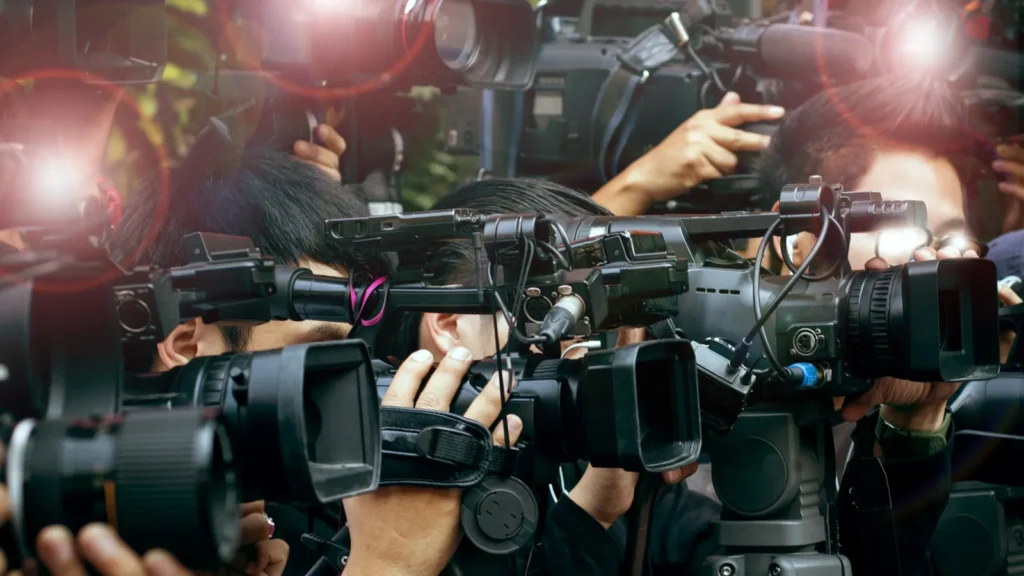
The next commissioner will face a media-relations challenge
The dispute also arrives during a period of leadership transition. The WNBA announced on Sept. 4, 2026, that Commissioner Cathy Engelbert will retire at the end of the year. The league has since begun searching for her successor as questions about its future priorities continue.
A new commissioner will have an opportunity to review how credentials are granted, how media availability is scheduled, and how teams explain access decisions. Consistent league-wide standards could reduce uncertainty for reporters while leaving teams room to address legitimate safety, privacy, and logistical concerns.
The goal should not be unrestricted access at any cost. Instead, the league can establish transparent procedures, predictable interview opportunities, and a fair process for resolving credential disputes. Those measures would help build trust with journalists without diminishing players’ rights or the teams’ ability to manage their workplaces.
The WNBA’s credibility depends on consistent standards
The current controversy does not prove that the WNBA systematically prevents critical reporting. It does show that media access has become a serious point of friction as the league’s profile rises and more outlets compete to cover its teams and players.
Journalists must respect players’ boundaries and verify what they publish. Teams, in turn, should distinguish between legitimate concerns about privacy or conduct and disagreement with an article’s conclusions. A credential should not become an informal reward for favorable coverage.
Clearer policies would benefit everyone involved. Players could expect professional interactions, teams could maintain orderly media operations, and journalists could pursue relevant stories with fewer uncertainties. For a league seeking to sustain its momentum, that balance could be as valuable as any single playoff result.
Fun fact: The WNBA fined the New York Liberty $25,000 after the team’s players failed to meet postgame media obligations following their 2023 Finals loss to the Las Vegas Aces. Three players also received individual $2,000 fines, highlighting that media availability is an established league requirement.
TL;DR
- Jemele Hill and Cari Champion criticized WNBA media practices, arguing that limited access can restrict reporting during important games.
- The league’s 2026 policy introduced Tier 1 and Tier 2 credentials, with access decisions partly left to home teams.
- The Indiana Fever’s decision to revoke reporter Scott Agness’ credentials after an injury-reporting dispute intensified scrutiny.
- Supporters of greater access say consistent interviews help journalists provide deeper coverage, while player privacy remains a legitimate concern.
- Transparent credentialing rules could help the WNBA balance athletes’ boundaries with independent journalism as audience interest grows.
This article was made with AI assistance and human editing.
Read More From This Brand: