


Why the NHL playoff structure is under debate
The NHL playoff format continues to spark discussion every season as fans and analysts look closely at how teams are matched once the postseason begins. What seems like a simple structure on paper often leads to surprising outcomes, early heavyweight clashes, and shifting paths to the Stanley Cup.
Behind the bracket system lies a design shaped by divisions, rivalries, and league priorities that are not always obvious at first glance. Let’s break down how the format works and why it remains one of the most talked-about systems in professional sports today.

How teams qualify for the NHL playoffs
Sixteen teams qualify for the NHL playoffs each season, with eight teams coming from each conference. Qualification is determined by regular-season points accumulated over 82 games.
Each division sends its top three teams directly to the playoffs. Two additional wild-card teams per conference complete the 16-team field based on overall points.

Division based playoff qualification system
The NHL playoff system uses a division-based qualification structure introduced in the 2013–14 season. This structure organizes teams into four divisions across two conferences.
The top three teams from each division automatically qualify for the postseason. Remaining playoff spots are filled by wild-card teams with the highest point totals in each conference.
How first round matchups are determined
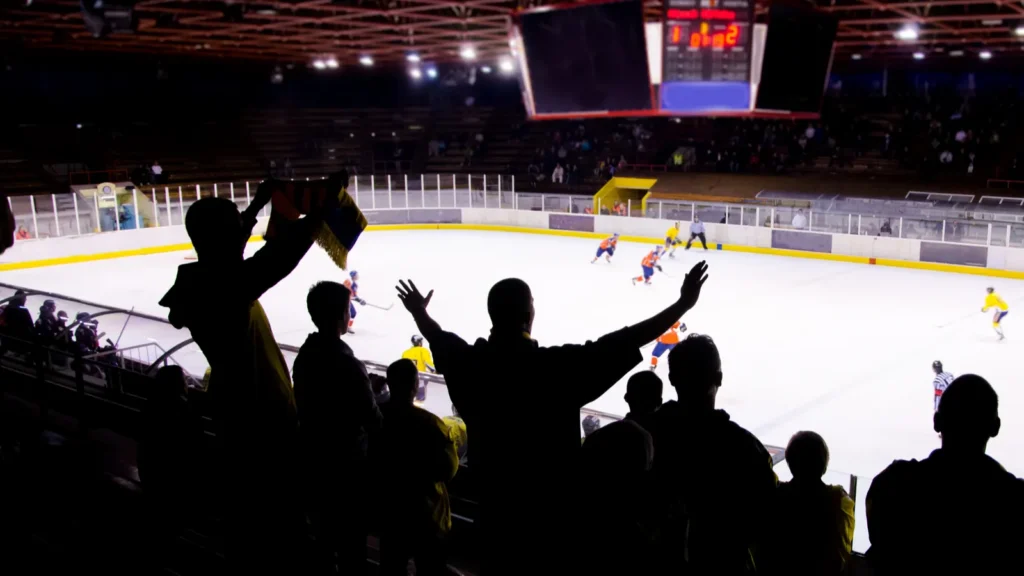
First-round matchups in the NHL playoffs are determined within divisions and conferences. Division winners are typically matched against wild-card teams or lower-ranked qualifying teams.
This structure often results in teams from the same division facing each other in the opening round. The format ensures division-based placement in early playoff rounds.

Historical change from previous playoff system
Before the 2013–14 season, the NHL used a conference-based 1–8 seeding system. Under that format, teams were ranked strictly by conference standings regardless of division.
The current system replaced that structure to introduce division-based matchups. This change also adjusted playoff seeding to prioritize divisional rankings.
Interesting fact: The National Hockey League (NHL) was founded in 1917 in Canada, and it remains unique among major North American sports leagues because it has always had a strong cross-border structure with teams based in both Canada and the United States since its early expansion years.

Role of divisions in playoff qualification
Divisions play a central role in determining playoff qualification under the current NHL format. Each division is guaranteed three playoff spots based on regular-season performance.
This structure ensures that divisional performance directly impacts postseason qualification. Wild-card teams are selected based on conference point totals outside the top three division spots.

Wild card selection process in the NHL
Wild-card teams are selected based on regular-season point totals within each conference. The two highest-ranked teams that are not in the top three of their division qualify as wild cards.
These teams are placed into the playoff bracket based on conference standings. Wild-card placement can affect first-round matchups depending on divisional rankings.

Structure of the playoff bracket
The NHL playoff bracket is organized separately for each conference. Each conference produces one champion who advances to the Stanley Cup Final.
The bracket is structured so that teams advance through four rounds of competition. Each round is a best-of-seven series format.
Interesting fact: The NHL’s championship trophy, the Stanley Cup, dates back to 1893, making it the oldest existing trophy awarded to professional sports teams in North America.

Series format used in NHL playoffs
All NHL playoff rounds use a best-of-seven series format, which means a team must win four games to advance to the next round. This structure applies consistently from the first round through the Stanley Cup Final without any variation in series length.
The best-of-seven format has been a long-standing rule in the NHL and has been used for all playoff rounds since 1987. It was adopted to ensure consistency across matchups and reduce the impact of short-term variance in single games.

Comparison with other North American leagues
The NBA and NFL use conference-based seeding systems that rank teams primarily by overall record or standings. This approach differs from the NHL, where division performance strongly influences early playoff matchups.
The NHL structure places more emphasis on divisional rankings when forming first-round pairings. This creates a playoff system that is more geographically and divisionally structured than other major leagues.

Scheduling and travel considerations in playoffs
The NHL playoff format incorporates divisional and geographic alignment into its structure. This helps reduce travel distances during the early rounds of the postseason.
Teams within the same division are more likely to face each other in the first round because of bracket placement rules. This structure aligns postseason matchups with regular-season divisional organization.

Stability of the current playoff format
The NHL playoff format has remained unchanged since its introduction in the 2013–14 season. It continues to follow a division-based qualification structure across all recent seasons.
Any future change to the playoff format would require approval from the NHL Board of Governors and team stakeholders. No official replacement system has been adopted as of the current league structure.
The internet is also talking about the surprising reason Nathan MacKinnon was able to beat the odds for the Rocket Richard Trophy.
Current status of NHL playoff format evolution
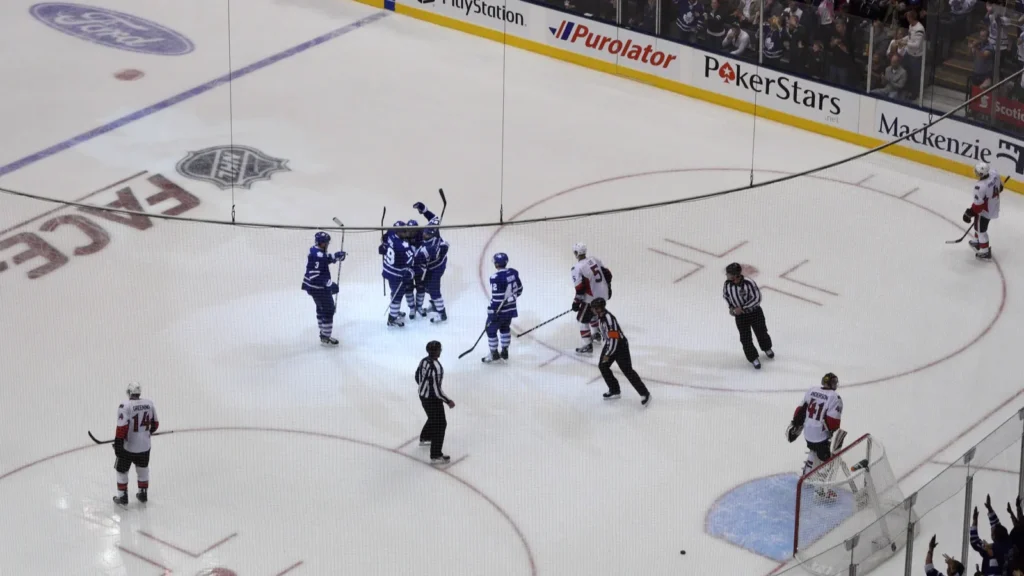
The NHL continues to use its established divisional playoff system across both conferences. Teams qualify based on division ranking and wild-card standings.
There have been no confirmed structural changes announced for upcoming seasons. The format remains consistent with the system implemented in 2013–14 and is still in active use.
In other news, Sidney Crosby leads the Penguins back to the playoffs in an unexpected turnaround.
Like this slideshow if you found it helpful, and leave a comment with your opinion on whether the NHL should keep its current playoff system or consider changes in the future.
This slideshow was made with AI assistance and human editing.
Read More From This Brand: