
Early ABS system impact across MLB teams explained
A quiet but powerful shift is unfolding in Major League Baseball, and it’s starting to change how every pitch is judged. What once relied entirely on an umpire’s call is now being tested against advanced tracking technology that reacts in seconds.
Players are adapting, strategies are evolving, and the game is entering a new era that blends tradition with precision. But the bigger question is not just how it works; it’s who benefits the most as this system continues to grow.
Hawk-Eye technology powers ABS pitch tracking system
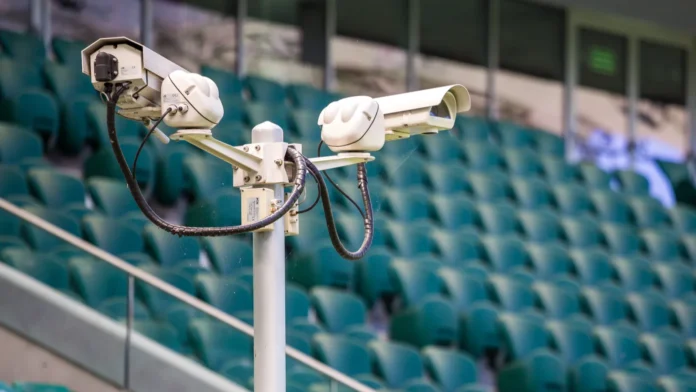
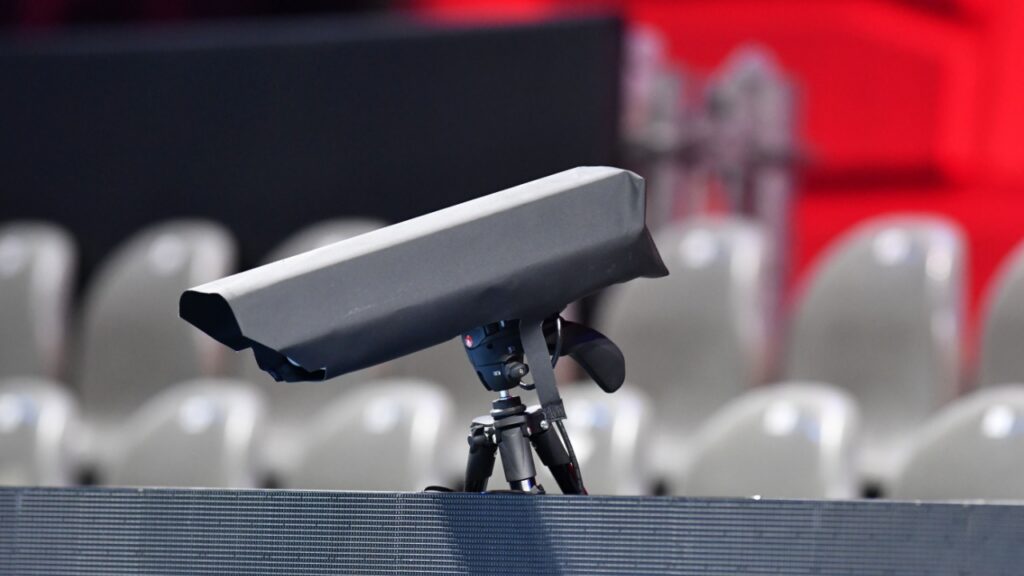
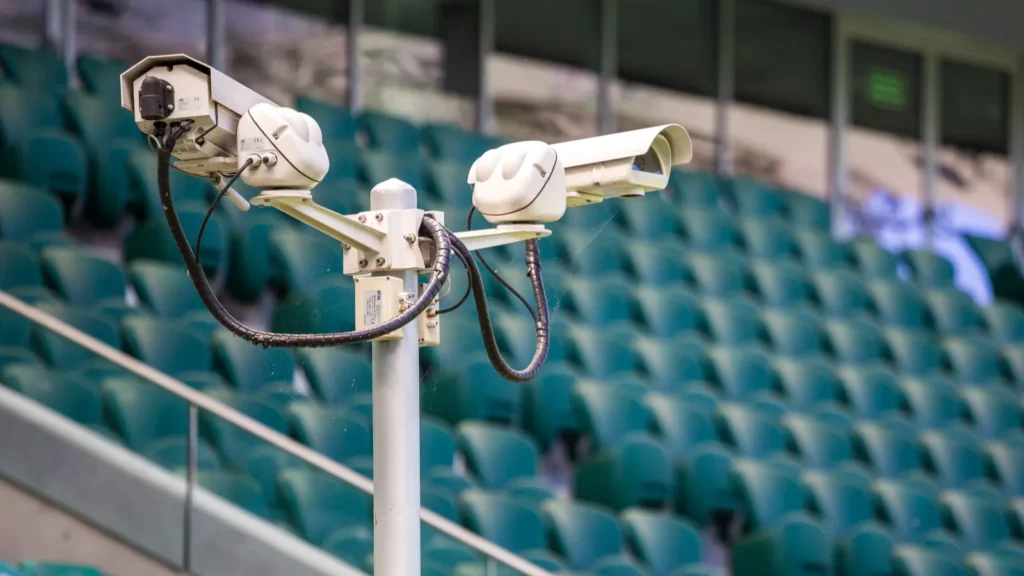
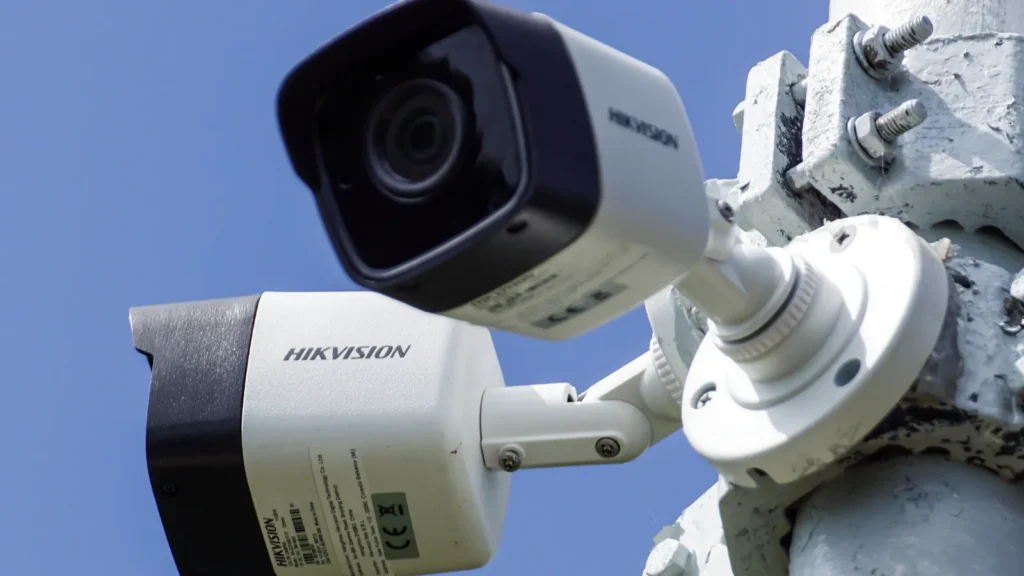
The ABS system relies on Hawk-Eye camera technology that tracks every pitch in real time from multiple stadium angles. These high-speed cameras create a detailed digital map of ball movement.
The tracked data is compared to a calibrated strike zone based on player height and stance measurements. This ensures that every pitch is evaluated with consistent and repeatable accuracy across games.
Players can challenge ball and strike calls instantly
In MLB’s ABS system, only the batter, pitcher, or catcher can initiate a challenge immediately after a pitch is thrown. This quick decision requirement keeps gameplay moving without long interruptions.
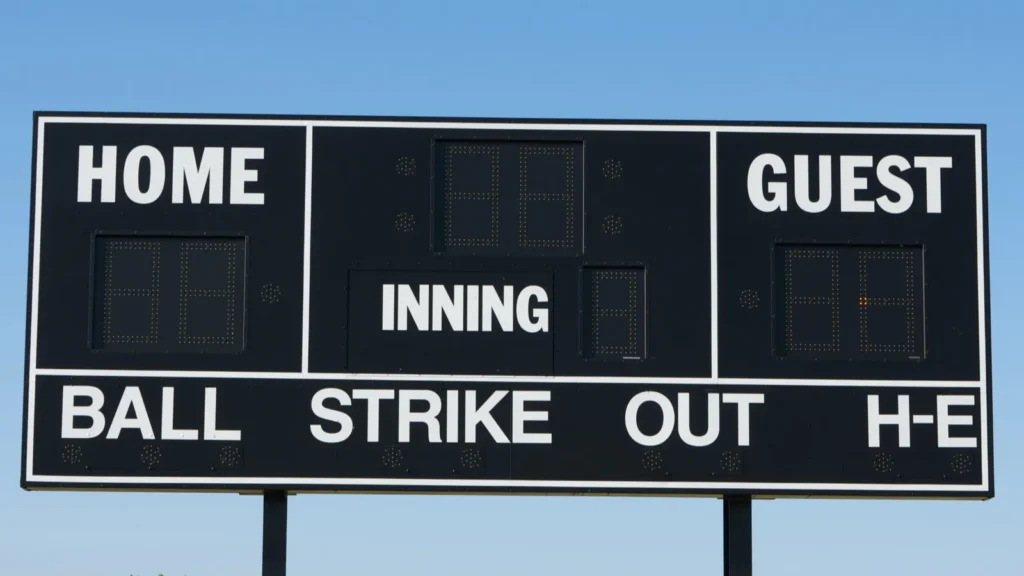
Once a challenge is made, the system processes pitch data instantly using automated tracking tools. The result is displayed within seconds on stadium boards for players and fans to see.
ABS strike zone is digitally adjusted for each hitter
Unlike traditional umpiring, the ABS strike zone is not judged visually but is calculated using precise player-specific measurements. Each hitter has a customized digital strike zone based on height data.
This method reduces human inconsistency in borderline pitch calls. It helps ensure that similar pitches are judged the same way regardless of game location or umpire assignment.
Umpires remain essential in the hybrid ABS system
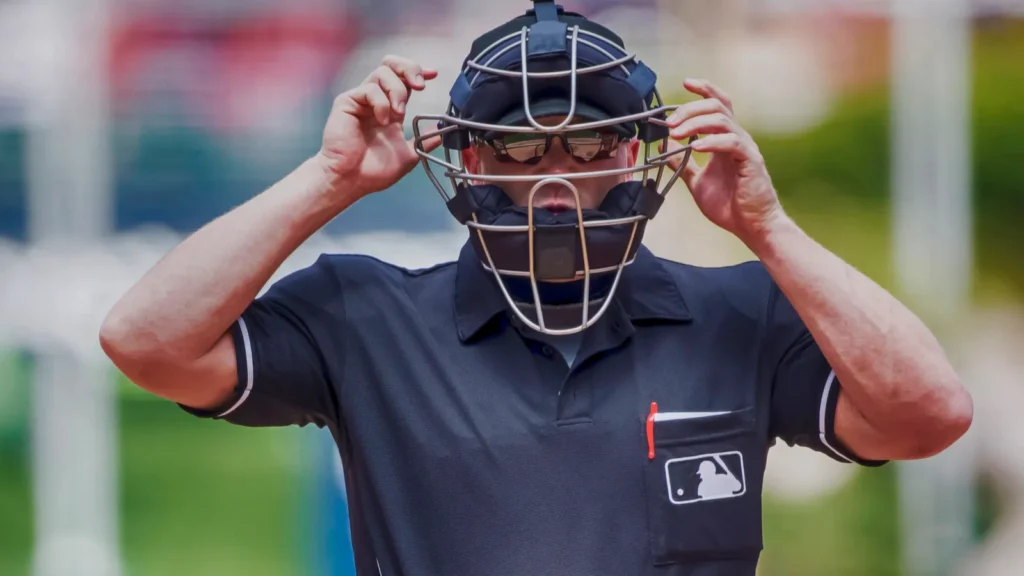
MLB designed ABS as a support tool rather than a full automation system, meaning umpires still call the majority of pitches. Human judgment remains central to officiating structure.
The challenge system only activates when players request a review. This preserves the traditional role of umpires while enhancing fairness in critical pitch decisions.

Spring training helped refine ABS challenge rules
ABS challenges were also tested during MLB spring training games to simulate real competitive conditions. This allowed teams to experience the system in high-pressure environments.
These tests helped MLB adjust challenge timing rules and improve system reliability. The feedback collected was essential in finalizing the operational guidelines for live use.
Interesting fact: Major League Baseball (MLB) games are structured around an inning-by-inning format rather than a running clock, with teams required to record 27 outs over nine innings to complete a standard game.

Catchers play a major role in ABS challenge strategy
Catchers are often the primary decision-makers when it comes to initiating the ABS challenges during games. Their understanding of pitch framing gives them a strong advantage.
This adds strategic importance to the catcher position beyond defense alone. Quick judgment and communication with pitchers are now critical in close pitch situations.
Batters gain new influence through ABS challenges
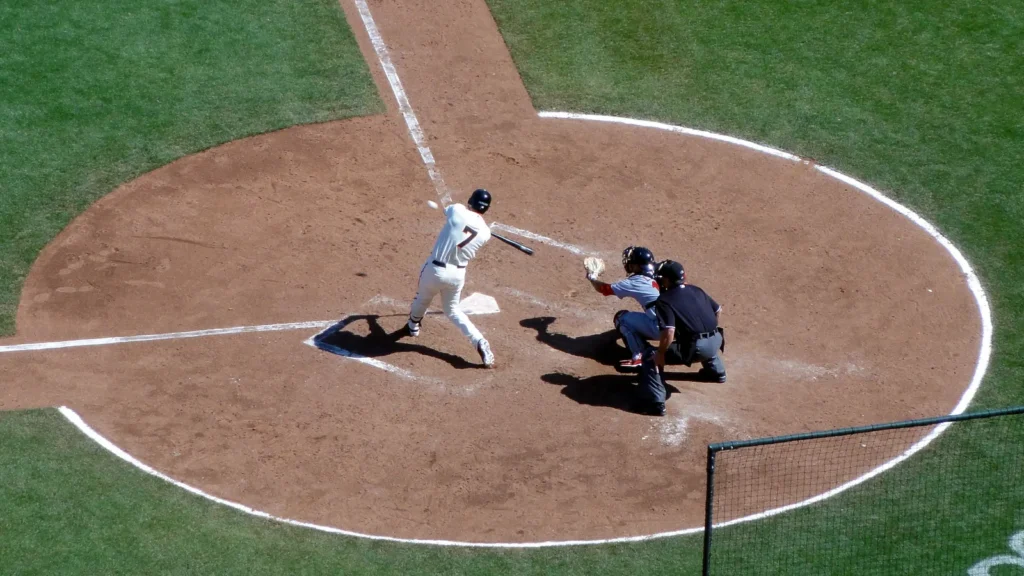
Under the ABS system, batters can challenge strike calls they believe are incorrect immediately after the pitch. This introduces a new layer of control for hitters.
However, the number of challenge opportunities is limited, so batters must be selective. Timing becomes a strategic factor that can influence entire at-bat outcomes.
ABS system delivers rapid pitch review results
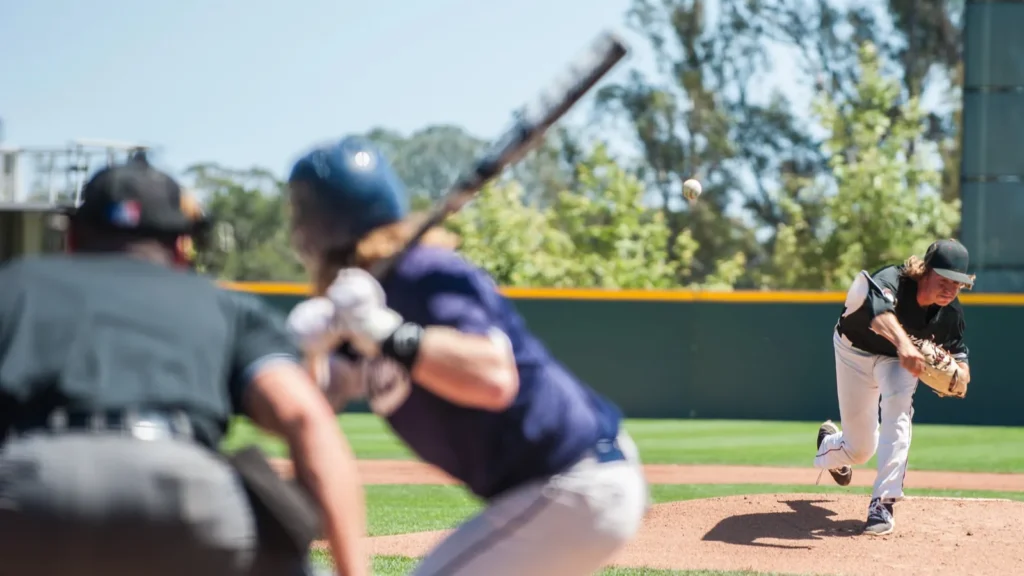
One of the key features of the ABS system is its ability to process challenges within seconds. This ensures minimal disruption to game momentum.
Fast review times help maintain the natural rhythm of baseball while correcting disputed calls. It reduces delays that traditionally occur during umpire discussions.
Interesting fact: In 1947, Jackie Robinson debuted with the Brooklyn Dodgers, becoming the first Black player in modern MLB history.

Minor league feedback shaped ABS system design
Before MLB-wide testing, minor league players and coaches provided structured feedback on ABS usability and fairness. This helped refine challenge limits and strike zone calibration.
Feedback from players, coaches, and officials played a major role in shaping how the system operates today. Many participants supported maintaining human umpires while adding technology to reduce missed calls in tight situations.
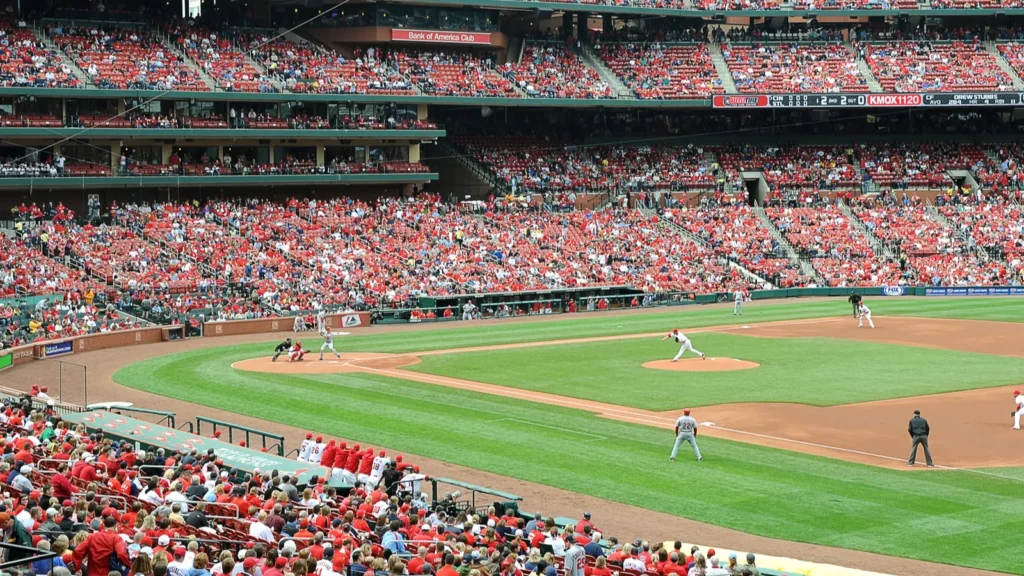
ABS system reflects MLB’s shift toward advanced analytics
MLB has increasingly integrated technology into officiating and game management systems over the past decade. ABS is part of this broader modernization trend.
The league aims to balance traditional baseball identity with improved accuracy through data-driven tools. This approach reflects long-term innovation in professional sports governance.
The internet is also talking about how Shohei Ohtani and Dave Roberts just gave a 100-year-old survivor the surprise of a lifetime.
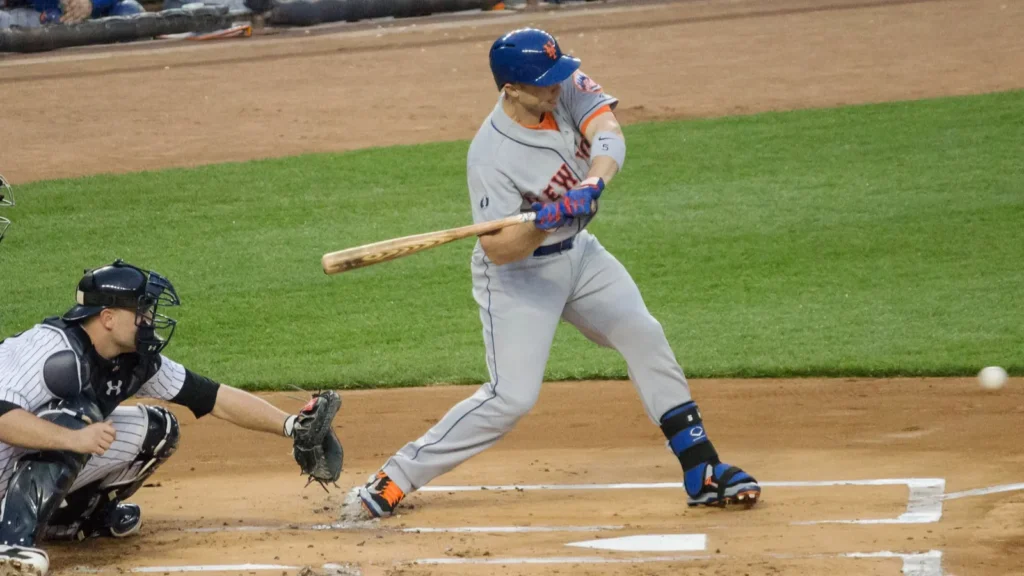
ABS challenge system represents future officiating direction
The ABS system demonstrates MLB’s effort to modernize officiating while preserving human involvement. It is designed to enhance fairness without removing umpires.
Future updates may refine strike zone calibration and challenge limits based on ongoing testing. The system continues to evolve as MLB evaluates performance and feedback.
In other news, Cal Raleigh of the Seattle Mariners shares off-field updates during the MLB season.
What do you think about MLB moving toward more automated accuracy in strike calls? Drop your thoughts in the comments, and don’t forget to like and share if you want more deep-dive breakdowns like this.
This slideshow was made with AI assistance and human editing.
Read More From This Brand: