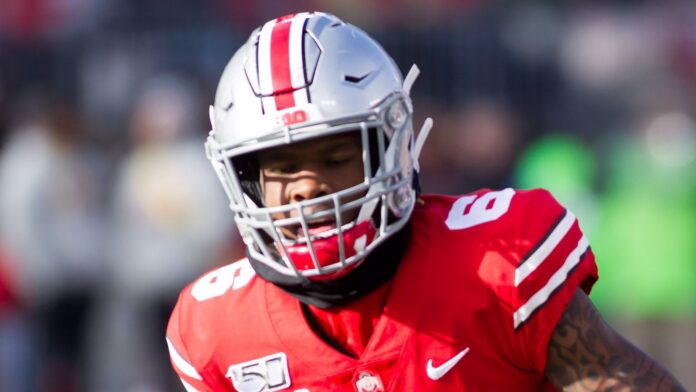
Detroit Lions wide receiver Jameson Williams has officially filed a lawsuit against the NCAA, the Big Ten, and the SEC, alleging the unauthorized use of his name, image, and likeness.
The legal action, filed in Los Angeles County court, claims that these major collegiate entities have continued to profit from Williams’ identity without providing fair compensation or obtaining his consent. This landmark case aims to address both retroactive payments for his time at Ohio State and Alabama and the ongoing use of his highlights in promotional materials.
As the landscape of collegiate athletics continues to shift toward player empowerment, this suit represents a significant challenge to traditional conference and organizational control.
What are the core allegations in the lawsuit?
The lawsuit formally accuses the NCAA and two powerhouse conferences of violating the Cartwright Act, the Sherman Antitrust Act, and the Lanham Act.
Williams alleges that while he was performing at an elite level for both the Ohio State Buckeyes and the Alabama Crimson Tide, he was systematically denied the ability to monetize his personal brand. The filing specifically points to the “unauthorized use” of his image in social media posts and television highlight packages that these organizations use to generate revenue.
The complaint states that Williams has received “zero” compensation from the defendants for the full commercial value of his brand during his collegiate career. It suggests that in a truly competitive marketplace, a player of his caliber would have earned millions in endorsements and licensing fees. The suit is not just looking backward, however, as it also seeks an injunction to prevent future use of his likeness without an agreed-upon payment structure.
How does his college career factor into the case?
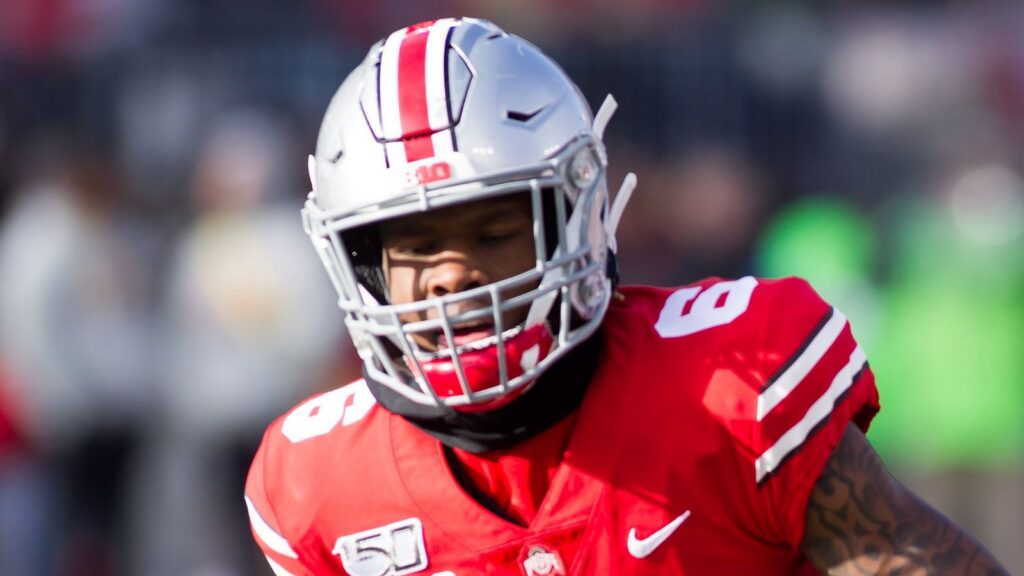
Williams’ explosive production at two of the nation’s biggest football programs serves as the primary evidence for his high market value. Before becoming a first-round NFL draft pick, he spent two seasons at Ohio State before transferring to Alabama for a breakout 2021 campaign.
During that single season with the Crimson Tide, he recorded 79 receptions for 1,572 yards and 15 touchdowns, helping the team secure an SEC Championship. These statistics aren’t just numbers on a page; they represent the highlights that the SEC and NCAA continue to use in promotional reels today.
Lawsuit explained
The lawsuit highlights that the defendants’ financial benefit is directly tied to the specific performances Williams put on the field. Because he played in both the Big Ten and the SEC, he is in a unique position to challenge two of the most profitable conferences in the country simultaneously.
His legal team argues that the conferences are essentially using his “brand equity” to sell the excitement of college football to new recruits and advertisers. Without his consent or a cut of the revenue, they claim this practice constitutes an unfair business advantage.
Fun fact: Jameson Williams is one of the few players to play in the College Football Playoff for two different programs, appearing for both Ohio State and Alabama.
What are the potential legal hurdles?
The defendants are expected to argue that Williams’ claims are barred by previous settlements or by the statutes of limitations in various jurisdictions.
High-profile cases like this often run into procedural walls, as courts are sometimes hesitant to upend the financial structure of amateur sports retroactively. The NCAA has historically defended its right to use game footage for “promotional and educational” purposes, claiming that the broadcast rights owned by the networks and conferences include the right to show highlights.
Furthermore, the conferences may argue that by participating in college athletics, players implicitly agree to the use of their likeness in the context of team promotion. However, the legal landscape has changed drastically since the Supreme Court’s ruling in Alston v. NCAA, which signaled a more skeptical view of NCAA amateurism rules. Williams’ legal team is betting that the current judicial climate is far more favorable to athletes than it was even five years ago.
Fun fact: Despite tearing his ACL in the National Championship game, Williams’ draft stock remained so high that the Lions traded up to select him at No. 12 overall.
What is the expected impact on the sports world?
A victory for Williams would fundamentally change how collegiate conferences manage their digital archives and social media presence.
Currently, conferences like the SEC and Big Ten rely heavily on “throwback” content to engage fans during the off-season. If every former star requires a licensing fee for a ten-second Twitter clip, the cost of marketing college football could skyrocket. This would likely lead to a new era of “group licensing” where players sign over rights in exchange for a guaranteed percentage of conference revenue.
Ultimately, this case is about the “commercial value” of an individual in a team-centric system. Williams is asserting that he is a brand unto himself, independent of the jersey he wore. As the suit moves forward in Los Angeles County, the eyes of the sporting world will be on the courtroom. The result will determine if the “amateur” past of college stars can finally be turned into professional-grade profit.
Fun fact: Jameson Williams recorded his first 1,000-yard season in 2024, joining Hall of Famer Calvin Johnson as one of the few Lions to ever record five catches of 50-plus yards in a single year.
TL;DR
- Jameson Williams is suing the NCAA, Big Ten, and SEC for unauthorized NIL use.
- The suit alleges violations of antitrust and trademark laws regarding his highlights and image.
- Williams seeks compensation for missed opportunities during his time at Ohio State and Alabama.
- The case could force conferences to pay former players for using their likeness in promotional content.
If you liked this story, don’t forget to follow us for more exclusive content.
This article was made with AI assistance and human editing.
If you liked this, you might also like: