


The hidden engine of small city growth
While professional sports dominate the major metropolises, university athletics serve as the financial heartbeat for smaller regions. In many quiet areas, college games actually surpass the popularity of professional leagues by a significant margin.
Tens of thousands of fans flock to these local stadiums, creating a massive influx of consumers. This unique cultural phenomenon supports the domestic economy by turning remote towns into bustling commercial destinations overnight.

Conway and the decline of tobacco
The city of Conway in South Carolina once relied heavily on tobacco farming to sustain its local population. However, the 1980s brought strict industry regulations that caused the regional economy to shrink rapidly.
By 1990, the population had dipped below 10,000 residents as the traditional agricultural base disappeared. The city desperately needed a new driver for growth to prevent further financial decay and resident migration.

Birth of the Chanticleers football team
Coastal Carolina University gained its independence in 1993 and eventually decided to invest in a new athletic identity. In 2003, the school established the ‘Chanticleers’ football team to compete in the lower leagues.
This move was more than just a sports initiative; it was a strategic plan for community revitalization. The team provided a fresh focal point for local pride and a reason for visitors.
Rising to the top tier league
The ‘Chanticleers’ proved to be an athletic powerhouse, achieving a major promotion to the NCAA top-tier league in 2017. This elevation brought national attention to the small city of Conway for the first time.
Football prospects from across the country began moving to the area to join the prestigious program. This influx of talent and fame transformed the university into a major player in collegiate athletics.

Infrastructure and the population explosion
To support the growing crowds, Conway constructed a major road connecting the football stadium directly to the city center. This infrastructure project helped expand the living areas and commercial potential of the entire district.
By last year, the population had grown to 31,896 people, marking a threefold increase over 35 years. The presence of the football team acted as a permanent catalyst for sustainable urban development and expansion.
Tuscaloosa and the Crimson Tide impact
In Alabama, the city of Tuscaloosa serves as a primary example of how sports can define a local economy. The University of Alabama’s ‘Crimson Tide’ football team is a renowned powerhouse across America.
The scale of the operation is so massive that home games attract several spectators, rivaling the city’s entire population. This concentrated wave of visitors provides a recurring windfall for local merchants.
A stadium that rivals a city
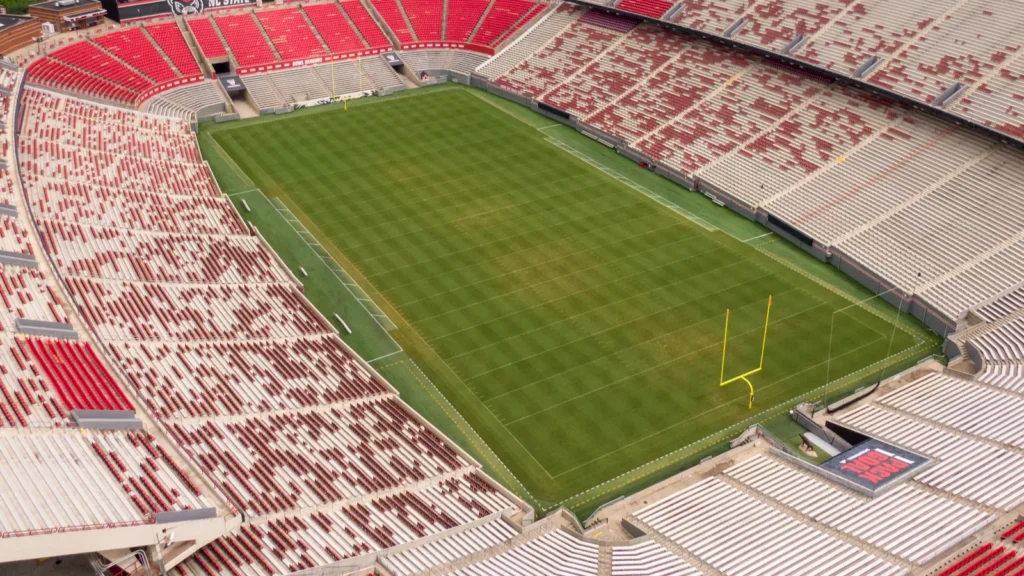
The local football stadium features 101,821 seats, making it the top attraction for tourists in the region. It functions as a massive commercial hub that generates significant revenue during every single home game event.
According to university research, the annual economic impact on the Tuscaloosa area is approximately $160.1 million. This staggering figure proves that a single team can essentially bankroll the prosperity of a city.

Alumni networks as social capital
American society recognizes alumni associations as vital social networks that foster deep camaraderie among graduates. These connections are maintained through a shared passion for their university’s athletic teams and historical sports achievements.
These networks play a significant role in the development of schools through consistent donations and support. The bond between alumni and their alma mater creates a reliable stream of funding for the community.

The emergence of NIL rights
A major shift occurred in 2021 when college athletes were finally permitted to use their names, images, and likenesses for profit. This new rule, known as NIL, changed the financial landscape of university sports.
Athletes can now engage in commercial purposes and earn money while still competing at the collegiate level. This policy was intended to give players more rights, but it has created unexpected economic challenges.
Fun fact: In Texas, high school football is so massive that some schools play in $80 million stadiums with HD video boards and luxury suites that rival professional arenas. It is less a game and more a local religion.
Recruitment battles for star talent
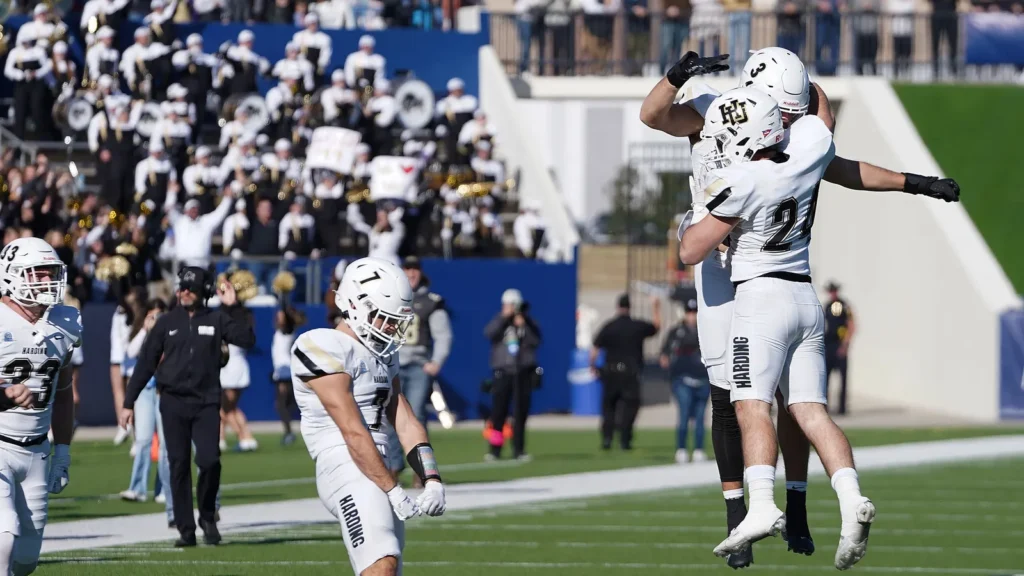
Financially wealthy universities have begun using large sums of money to recruit promising players away from smaller schools. This has created an environment where the most affluent programs can essentially buy top-tier talent.
Smaller cities now face the threat of losing their best athletes to bigger markets with more resources. This movement of players disrupts the competitive balance that many local economies rely on for stability.

The risk of a vicious economic cycle
There are growing concerns that the absence of star players will lead to a decline in team performance. If teams stop winning, the number of spectators and tourists will likely dwindle over time.
This drop in attendance could spark a negative cycle where local businesses lose their primary source of income. Without the draw of a winning team, the financial boost to the city disappears.
Strategic roster building often determines which franchises rise to postseason contention. The Las Vegas Raiders recently executed a series of maneuvers that caught analysts off guard. Dive into the full story to explore the tactical genius behind these signings.
Protecting the football powerhouse
Some universities have taken the extreme step of disbanding teams in sports like swimming, tennis, and golf. This controversial move allows schools to funnel all remaining resources into their most popular football programs.
Sacrificing smaller sports is seen as a necessary survival tactic to maintain the economic engine of football. The focus remains on preserving the one sport that generates the most revenue for the city.
The massive valuation gap between icons like the Dallas Cowboys and their division rivals reveals a complex financial game. Explore our latest breakdown to dive into the hidden factors that drive these billion-dollar NFL price tags.
With millions of dollars and entire local economies on the line, do you think the new NIL rules will ultimately save small-city sports or destroy the competitive balance that keeps these towns thriving? Share your thoughts below and let us know which college town has the best game-day atmosphere!
This slideshow was made with AI assistance and human editing.
Read More From This Brand: