


Angels bullpen struggles become major 2026 concern
The Los Angeles Angels’ bullpen has become one of the team’s biggest early-season concerns, especially after several late-game issues and roster changes. While the team has shown flashes of competitiveness, relief pitching has repeatedly made close games harder to finish.
As the season unfolds, questions continue to grow around what is driving these struggles and whether improvement is realistic. This breakdown takes a closer look at the pressure points shaping the bullpen’s performance and why it remains a major talking point around the Angels.
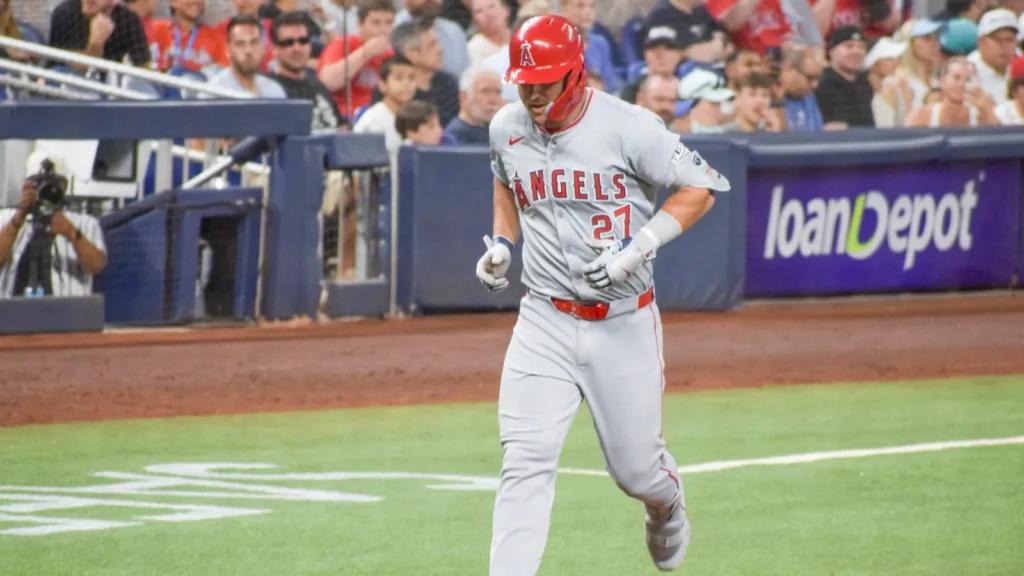
Expectations shaped by repeated relief volatility
Expectations surrounding the Angels’ bullpen are shaped by recent relief struggles and early 2026 roster instability. Even when the starting pitching keeps the team in games, bullpen inconsistency has made late innings difficult to trust.
That problem has become part of the larger story around the team. The Angels entered late April with a losing record, multiple bullpen moves, and outside analysis pointing to relief pitching as one of the club’s clearest weaknesses.
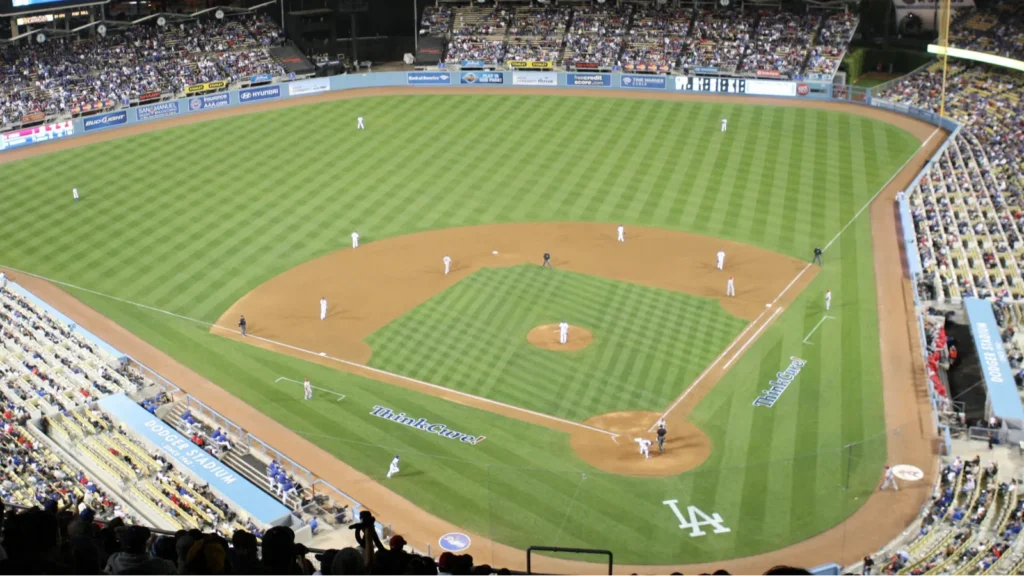
Inherited runners amplify bullpen damage
Inherited runners can make relief problems worse because they immediately put a reliever into a higher-pressure situation. When those runners score, it hurts the team’s game control, even though MLB’s glossary notes that inherited runs allowed % does not affect a reliever’s ERA.
For the Angels, the broader issue is still late-inning reliability. Recent roster moves, blown-save trouble, and command problems have added pressure to a bullpen already trying to find stable roles.

Middle innings remain difficult to settle
The middle and late innings have become difficult for the Angels to settle because the bullpen has already gone through several changes. In late April, the team released Jordan Romano, designated Shaun Anderson and Joey Lucchesi for assignment, recalled Mitch Farris and Jose Fermin, and continued searching for more reliable relief options.
That movement makes it harder to build a steady setup structure. While not every bullpen change is unusual over a long season, the Angels’ early record and recent blown-save issues have kept their relief group under close scrutiny.

Bullpen performance shows statistical weakness
The Los Angeles Angels’ bullpen has shown clear statistical weakness in recent seasons. Sports Illustrated reported that the 2025 bullpen ranked 28th in MLB by ERA, and the 2026 group has already faced major scrutiny after early blown saves and roster changes.
Even when individual relievers have short, strong stretches, the overall group has been difficult to stabilize. That inconsistency makes it harder for the Angels to protect close games over a full season.
Interesting fact: Mike Trout is the Angels’ all-time home run leader, and he remains one of the most decorated players in franchise history.

Strikeouts have not solved the issue
Strikeouts can help relievers escape difficult spots, but they have not solved the Angels’ bullpen problem. The bigger early-season concern has been run prevention, command, blown saves, and repeated roster turnover.
That pattern showed up in late April. Romano had 117 career saves and opened the season with 6 straight scoreless appearances, but he was designated for assignment after back-to-back blown saves and a rough stretch that pushed his ERA to 10.13.

Injuries and roster moves reduce stability
Injuries and roster moves have reduced the Angels’ pitching stability early in 2026. Robert Stephenson opened the season on the 60-day IL, Kirby Yates began on the IL, and several pitchers have moved through the roster during April.
That lack of continuity makes it harder to establish consistent bullpen roles. The Angels have already released or designated multiple relievers, recalled others from the minors, and leaned on changing combinations while trying to stabilize late-game innings.

Command remains a major focus
Command remains one of the biggest issues for the Angels’ pitching staff. In one late-April loss to Kansas City, Los Angeles pitchers issued 10 walks, including 2 with the bases loaded, showing how quickly control problems can turn a game.
The bullpen’s execution has also remained uneven. The Angels made several relief changes in late April, and manager-level adjustments can only go so far if pitchers continue to allow free baserunners in damaging spots.
Late-game performance impacts overall competitive standing
The Angels’ late-game performance has already affected their 2026 standing. In a late-April loss to the White Sox, Ryan Zeferjahn was 1 out away from a 2-inning save before giving up a game-tying triple in the ninth inning.
Those moments matter because the Angels are trying to climb out of a difficult early-season position. FanGraphs listed them at 12-20 and last in the AL West, with only a 2.5% playoff chance at that point.
Interesting fact: The Los Angeles Angels (then known as the Anaheim Angels) won their only World Series championship in 2002.

Late-game volatility remains costly
Late-game volatility has been costly for the Angels early in 2026. In Chicago, the Angels lost after Ryan Zeferjahn gave up a game-tying triple in the ninth inning and Drew Pomeranz allowed the winning run in the 10th.
Those outcomes add to the pressure on a bullpen already dealing with roster changes. The Angels had lost 6 straight and 10 of 11 at that point, keeping late-inning reliability near the center of the team’s early-season concerns.
League comparisons show relief weakness
League comparisons show why the Angels’ bullpen has drawn criticism. Sports Illustrated reported that the 2025 Angels bullpen ranked 28th in MLB by ERA, and early 2026 analysis described the group as reaching a new low.
The team’s current roster moves support that concern. Jordan Romano, Shaun Anderson, Joey Lucchesi, and Mitch Farris were all part of late-April relief changes, showing how unsettled the group has become.
The internet is also talking about how fans are reacting to the way Aaron Judge is challenging New York Yankees tradition.

Future outlook depends on execution
The Angels’ bullpen outlook depends on better command, healthier depth, and more stable late-inning roles. Those needs are clear after early-season roster changes, injuries to key pitchers, and several games where relief pitching became a major talking point.
Without steadier execution in close games, the same issues could continue to follow the team. For now, command, injuries, and depth remain the biggest questions surrounding the Angels’ bullpen.
In other news, here’s everything to know about the night Shohei Ohtani reached a breaking point with the Los Angeles Dodgers.
What do you think is the biggest issue holding the bullpen back right now: command, injuries, or depth? Drop your thoughts in the comments and join the discussion.
This slideshow was made with AI assistance and human editing.
Read More From This Brand: